
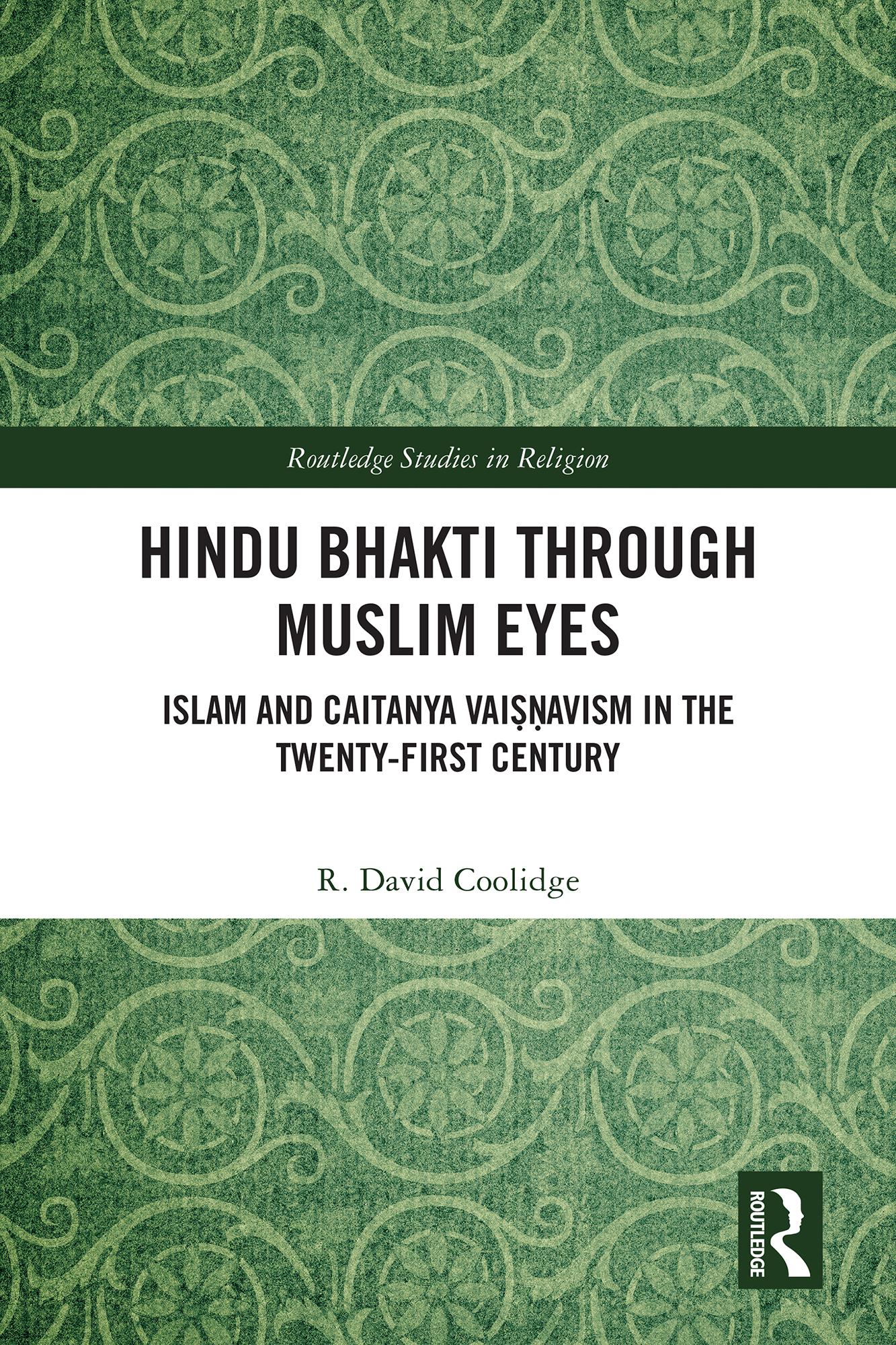
Hindu Bhakti Through Muslim Eyes puts the Caitanya Vaiṣṇava tradition of devotion to Krishna in scholarly conversation with Islam for the first time. It builds on a millennium of Muslim reflections regarding Hindu theology and practice, despite common assumptions that Hindus and Muslims are destined for misunderstanding and conflict. Beginning with al-Bīrūnī in the 11th Century, Muslims often commented on the beliefs and practices of the Hindu tradition in relation to their own tradition of Islam. This process continues until today, as Muslims increasingly articulate a scholarly perspective on our planet's religious diversity. Centered in the author’s Islamic theological, ethical, and liturgical commitments, this study explores the tradition of Krishna worship traced to the charismatic figure Caitanya who preached in the Bengal Sultanate of the early 16th Century. The book explores possibilities for Muslim interreligious scholarship beyond Judeo-Christian frameworks, as well as the revival of al-Bīrūnī's legacy in the 21st Century. Relevant for scholars in Islamic Studies, Hindu Studies, Interreligious Studies, Comparative Theology, and Decolonial Studies, Hindu Bhakti Through Muslim Eyes forges new ground in Muslim scholarship regarding religious and cultural pluralism. In particular, it offers a model of engagement built on patient learning of a different textual corpus and communal praxis, while still remaining rooted in the Islamic tradition as a distinctive intellectual paradigm.
Płać wygodnie kartą, Klarną, Apple Pay lub Google Pay. Nie jesteś zadowolony? Zawsze masz 14-dniową gwarancję zwrotu pieniędzy. Więcej przeczytasz w naszych warunkach. Masz pytania? Napisz do nas na hello@memmo.org.
Memmo ułatwia naukę – gdziekolwiek jesteś na świecie. U nas znajdziesz podręczniki i sprytne narzędzia do nauki w jednym miejscu: streszczenia, quizy, podcasty i fiszki. A do tego Ted, Twój kumpel do nauki, który odpowie na wszystko, co Cię nurtuje. Ponad 50 000 studentów już tu się uczy – stworzone, byś uczył się szybciej i mniej stresował.