
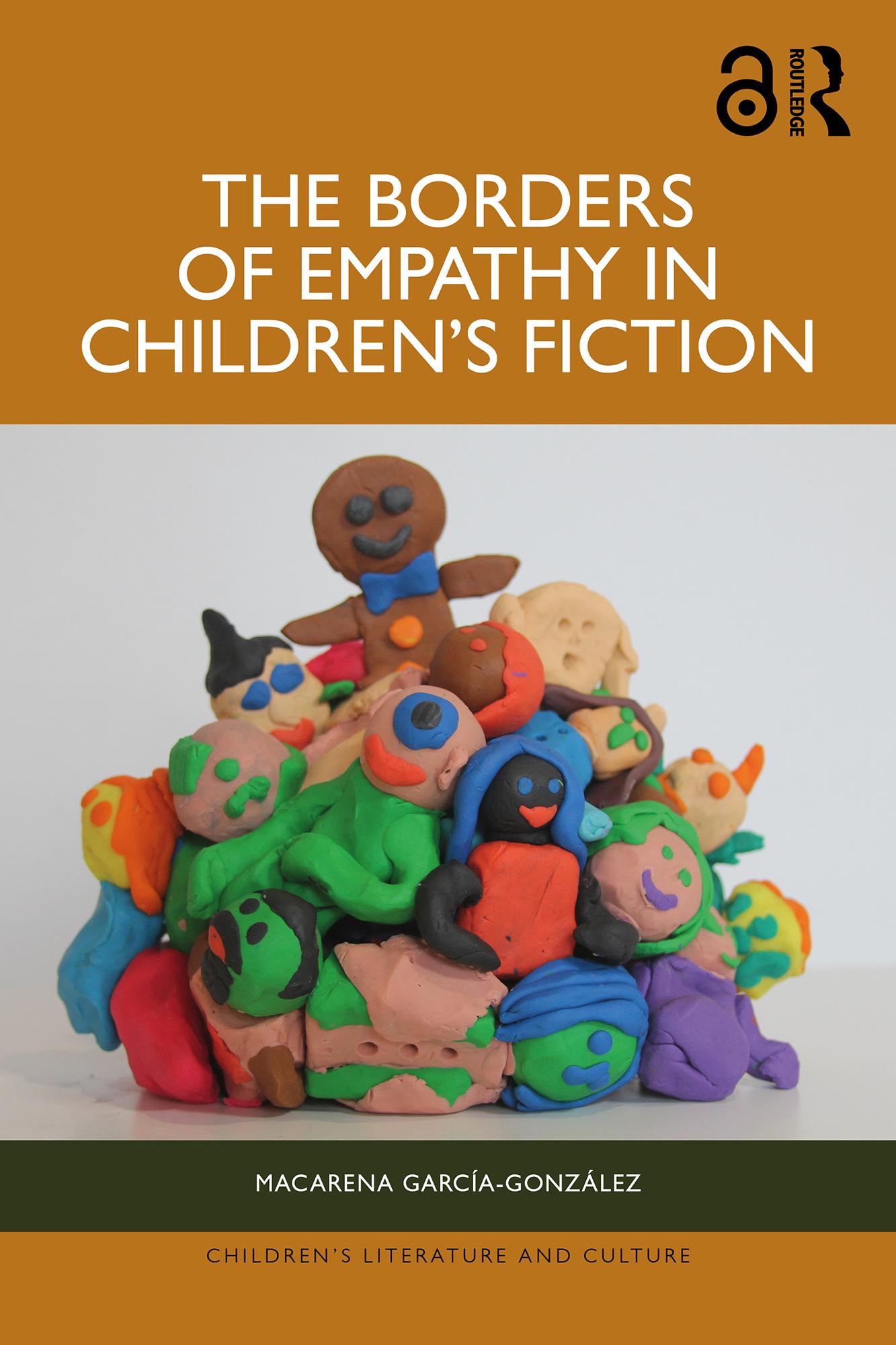
The Borders of Empathy in Children’s Fiction centres the question of how reading fiction develops our moral imagination and our capacities to think and feel with others. The question is approached with a good dose of scepticism, revising tensions between ethical, aesthetical, and pedagogical dimensions when certain books, films, and other cultural materials are recommended for children. This volume examines how texts addressed to children are meant to assist socioemotional education and whether we put forward adultist assumptions around such conceptualisations of the emotional. The book is organised into nine chapters, with some of them focusing on "difficult" themes —such as violence, xenophobia, death, migration, as well as gender and social exclusions— and some others on more general relationships between emotions, media, and education. The chapters combine a textual analysis of recommended cultural materials for children with insights from empirical research and ethnographic approaches to children’s cultures. A common thread throughout the book is the open question about the epistemic injustices in knowing children and childhood and how this may be overcome by shifting our research practices with posthumanist philosophies.
The Open Access version of this book, available at http://www.taylorfrancis.com, has been made available under a Creative Commons Attribution-Non Commercial-No Derivatives (CC BY-NC-ND) 4.0 license.
Płać wygodnie kartą, Klarną, Apple Pay lub Google Pay. Nie jesteś zadowolony? Zawsze masz 14-dniową gwarancję zwrotu pieniędzy. Więcej przeczytasz w naszych warunkach. Masz pytania? Napisz do nas na hello@memmo.org.
Memmo ułatwia naukę – gdziekolwiek jesteś na świecie. U nas znajdziesz podręczniki i sprytne narzędzia do nauki w jednym miejscu: streszczenia, quizy, podcasty i fiszki. A do tego Ted, Twój kumpel do nauki, który odpowie na wszystko, co Cię nurtuje. Ponad 50 000 studentów już tu się uczy – stworzone, byś uczył się szybciej i mniej stresował.