
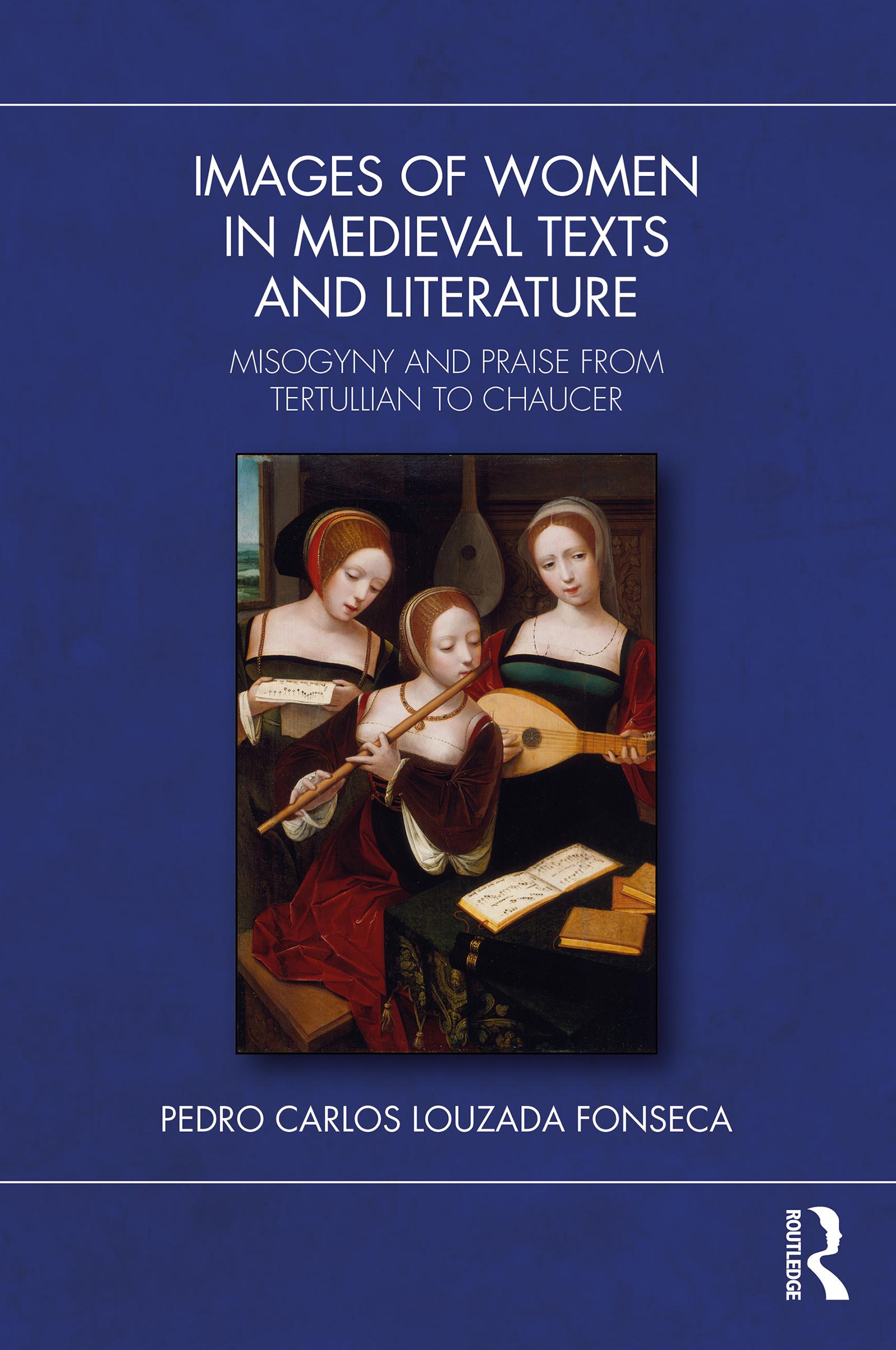
Employing a critical and analytical method, this volume takes an innovative approach to existing anthologies of medieval texts, proposing a comprehensive methodology for examining and understanding the historical and cultural construction of the image of women in medieval literature. Critically and analytically appreciating representative works and authors from the medieval period, Images of Women in Medieval Texts and Literature is interested not only in their essayistic examination but also in the intuitive perception of their values. This comprehensive approach fosters a deeper understanding of the image of women, particularly in the context of the Eve/Ave binomial, a dichotomy that shapes the defamation and defense of medieval femininity. The chapters present the misogynistic literary tradition as a comprehensive panorama, out of which emerged medieval literature praising women. Texts by the Fathers of the Church, from Tertullian (2nd century) to Saint Thomas Aquinas (13th century), are followed by those continuing their legacy, represented by Giovanni Boccaccio (14th century) and Geoffrey Chaucer (14th century). Finally, from this vast sea of defamation, toward the late Middle Ages, there emerged works, both anonymous and authorial, in praise of women, such as Dives and Pauper (15th century), The Thrush and the Nightingale (13th century), and the works of John Gower (14th century). Each of these works, in their own unique way, defends the women who were veiled and hidden away in the Middle Ages.
Płać wygodnie kartą, Klarną, Apple Pay lub Google Pay. Nie jesteś zadowolony? Zawsze masz 14-dniową gwarancję zwrotu pieniędzy. Więcej przeczytasz w naszych warunkach. Masz pytania? Napisz do nas na hello@memmo.org.
Memmo ułatwia naukę – gdziekolwiek jesteś na świecie. U nas znajdziesz podręczniki i sprytne narzędzia do nauki w jednym miejscu: streszczenia, quizy, podcasty i fiszki. A do tego Ted, Twój kumpel do nauki, który odpowie na wszystko, co Cię nurtuje. Ponad 50 000 studentów już tu się uczy – stworzone, byś uczył się szybciej i mniej stresował.