
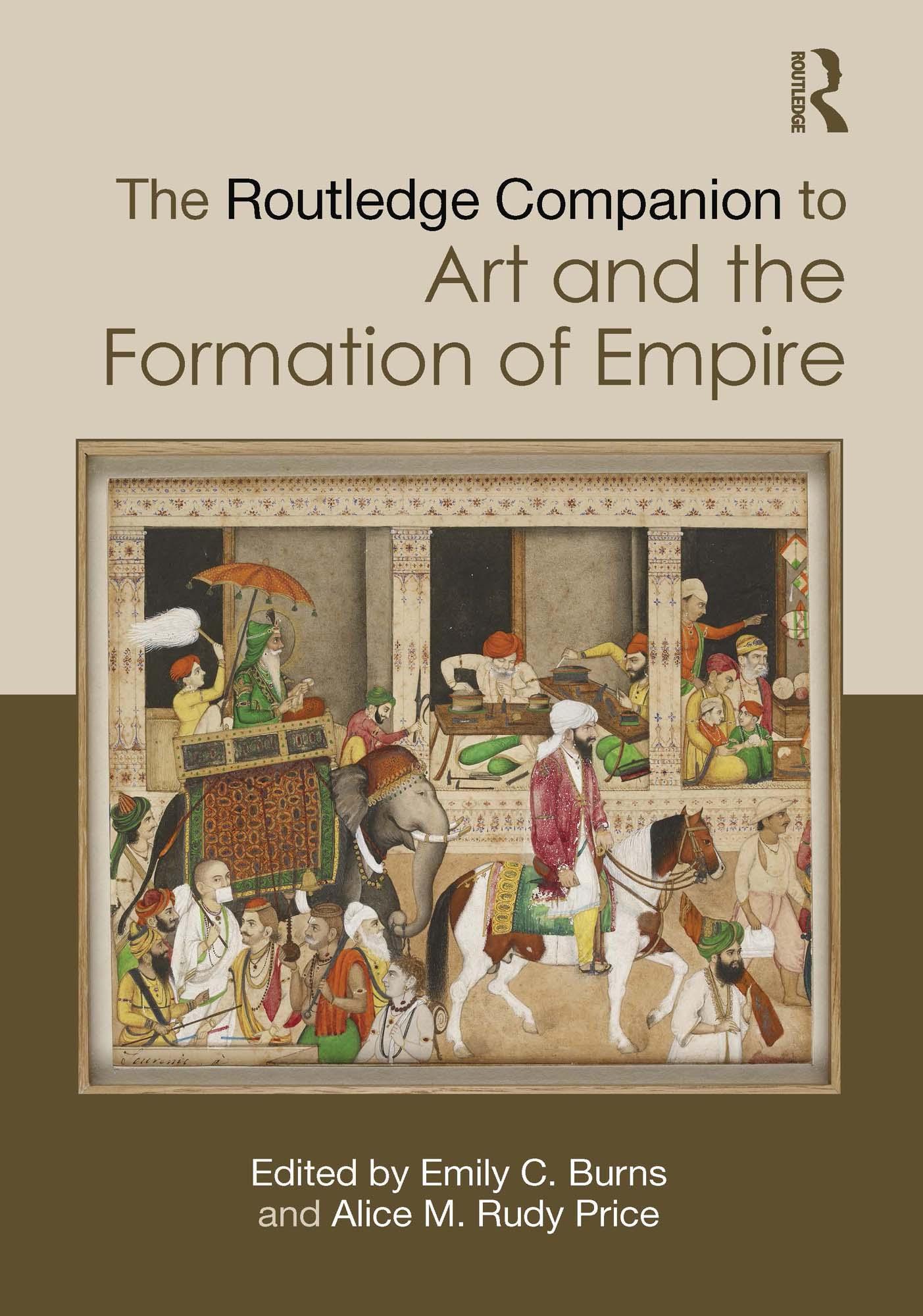
This companion comprises essays that analyze interactions between art and global imperial relationships from 1800 to World War II.
The essays in this volume expose and add to historical layers of meaning in their discussions of art and empire. Found across much of the globe, sites of sedimentary rock allegorize the dynamics of art and empire and frame the section structure for this book. Twenty‑two authors unpack imperial layers in a variety of global and historical contexts through case studies that center art and visual and material culture. The authors show how art and aesthetics have operated as tools of empire. Interpreting a comprehensive array of media as well as inter‑media dialogues, they analyze and intervene in how we remember and examine entwinements between empire and aesthetic practices. In this volume’s attention to the role of art in imperial formation, as well as the legacy of colonization, the essays disentangle sediments of culture as they are moved and shaped by homogenizing forces of empire, showing that the aesthetics of empire inflect not only individuals, makers, and economies, but also practices of circulation and collecting.
The book will be of interest to graduate students, researchers, and professors and may be used in classes focused on art history, imperialism, and colonialism.
Płać wygodnie kartą, Klarną, Apple Pay lub Google Pay. Nie jesteś zadowolony? Zawsze masz 14-dniową gwarancję zwrotu pieniędzy. Więcej przeczytasz w naszych warunkach. Masz pytania? Napisz do nas na hello@memmo.org.
Memmo ułatwia naukę – gdziekolwiek jesteś na świecie. U nas znajdziesz podręczniki i sprytne narzędzia do nauki w jednym miejscu: streszczenia, quizy, podcasty i fiszki. A do tego Ted, Twój kumpel do nauki, który odpowie na wszystko, co Cię nurtuje. Ponad 50 000 studentów już tu się uczy – stworzone, byś uczył się szybciej i mniej stresował.