
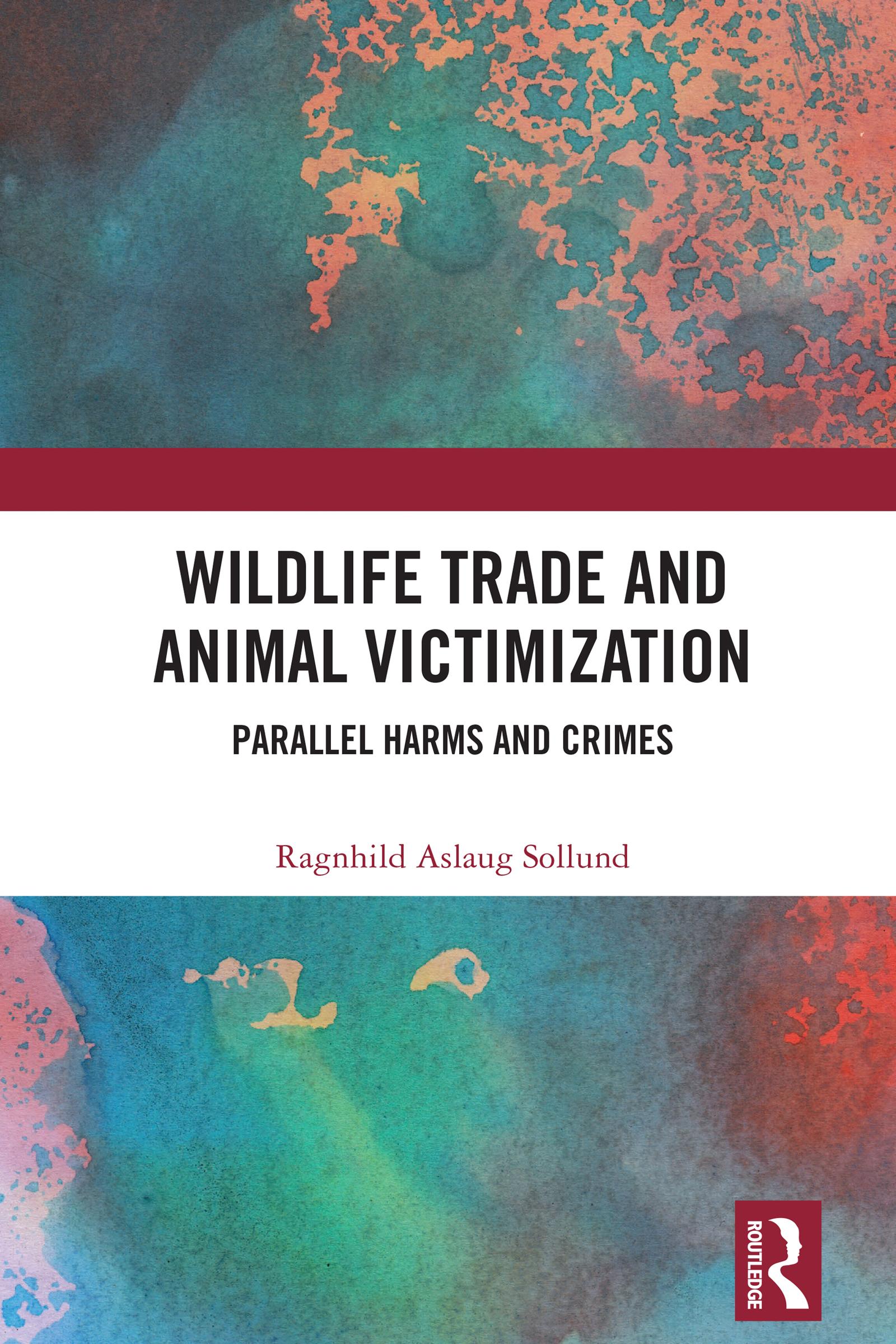
This book examines the trade in nonhuman animals of endangered wild species. Wildlife trafficking is, after loss of habitat, the biggest threat to many animal species and biodiversity. This book draws on extensive empirical data from Norway to highlight the parallel legal and illegal markets, the motivation of traders, animal victimization, the weaknesses of existing regulatory frameworks, and the difficulties of legal enforcement. As a long-time signatory of the Convention on International Trade in Endangered Species of Wild Fauna and Flora, and a rich consumer country, Norway provides the perfect case for investigating the consequences of legalising or banning wildlife trade. The work applies a green, non-speciesist theoretical perspective to analyse empirical data covering approximately 350 cases as well as qualitative interviews with law enforcement agencies and confiscation reports from customs. The book will be an essential resource for researchers and academics in green criminology, global criminology, environmental law and environmental studies. It will also be of value to professionals working in wildlife and animal welfare policies and enforcement, such as governmental and non-governmental organizations.
Płać wygodnie kartą, Klarną, Apple Pay lub Google Pay. Nie jesteś zadowolony? Zawsze masz 14-dniową gwarancję zwrotu pieniędzy. Więcej przeczytasz w naszych warunkach. Masz pytania? Napisz do nas na hello@memmo.org.
Memmo ułatwia naukę – gdziekolwiek jesteś na świecie. U nas znajdziesz podręczniki i sprytne narzędzia do nauki w jednym miejscu: streszczenia, quizy, podcasty i fiszki. A do tego Ted, Twój kumpel do nauki, który odpowie na wszystko, co Cię nurtuje. Ponad 50 000 studentów już tu się uczy – stworzone, byś uczył się szybciej i mniej stresował.