
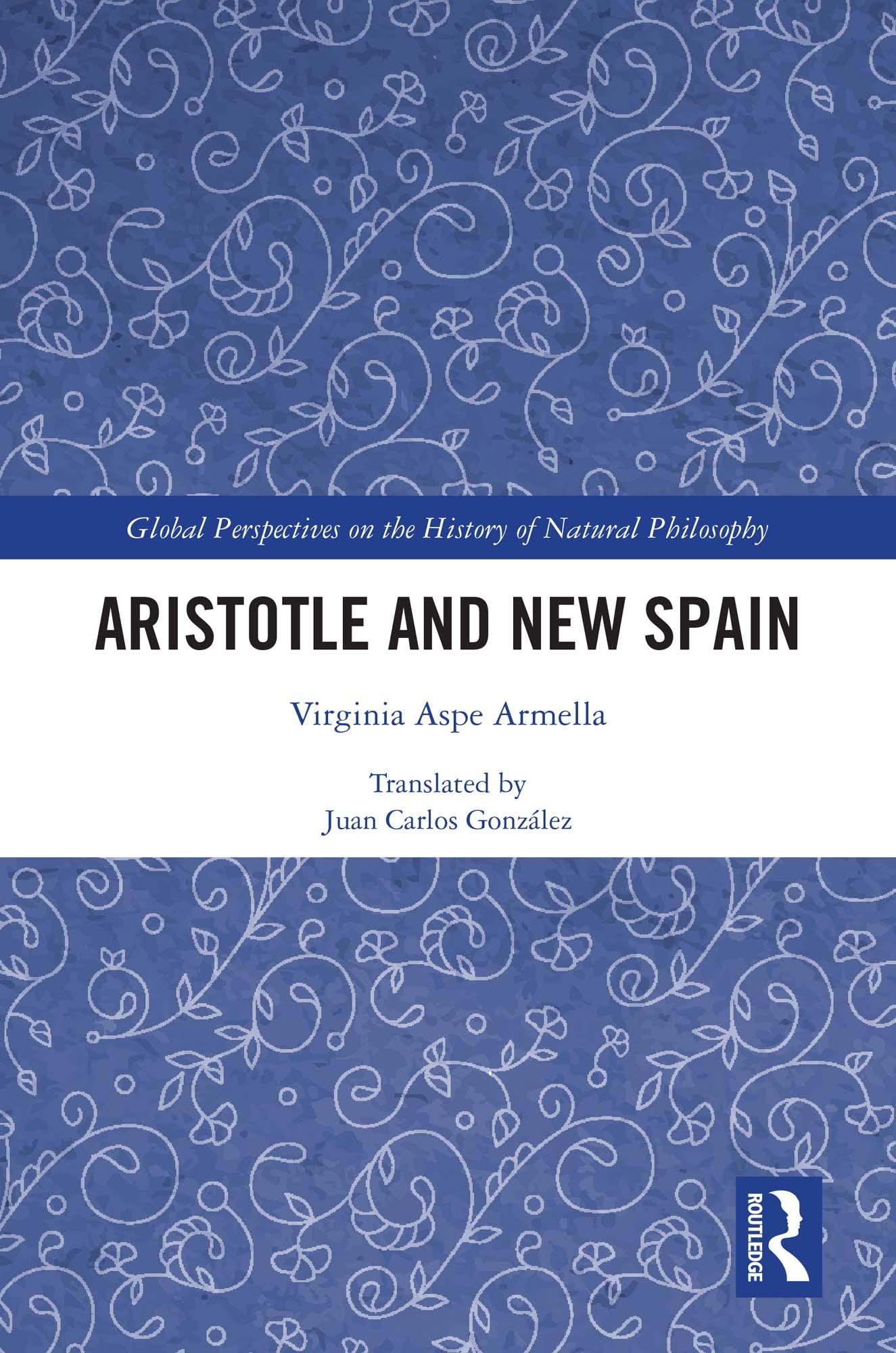
This book is a detailed exploration of the Hispanic intellectual context and the different Aristotelian traditions that prevailed until the 16th century. Through a review and contextualisation of Aristotelian thinkers and texts, it argues that a unique Aristotelian tradition was formed in New Spain.
The characteristic differences of Novohispanic Aristotelianism are a consequence of five factors: contact with the autochthonous cultures of America, the impact of the colonial organisation, the influence of the Salamanca humanist tradition, the presence of the Italian Aristotelianism of Renaissance translators in the university curricula and in the intellectual polemics of the time, and a peculiar assimilation of primitive and Old Testament Christianity in relation to indigenous people. This book analyses the works of Alonso de la Veracruz, Bartolomé de las Casas, Bernardino de Sahagún, Sor Juana Inés de la Cruz, Carlos de Sigüenza y Góngora, and Francisco Xavier Clavijero, reconsidering them in light of the history of ideas in New Spain and the contributions of Byzantine translators. It also offers a reflection on the problem of addressing Mexican colonial sources.
This volume will be of interest to undergraduate and postgraduate philosophy students, as well as to researchers focused on Aristotle, Renaissance philosophy, or Latin American studies.
Płać wygodnie kartą, Klarną, Apple Pay lub Google Pay. Nie jesteś zadowolony? Zawsze masz 14-dniową gwarancję zwrotu pieniędzy. Więcej przeczytasz w naszych warunkach. Masz pytania? Napisz do nas na hello@memmo.org.
Memmo ułatwia naukę – gdziekolwiek jesteś na świecie. U nas znajdziesz podręczniki i sprytne narzędzia do nauki w jednym miejscu: streszczenia, quizy, podcasty i fiszki. A do tego Ted, Twój kumpel do nauki, który odpowie na wszystko, co Cię nurtuje. Ponad 50 000 studentów już tu się uczy – stworzone, byś uczył się szybciej i mniej stresował.