
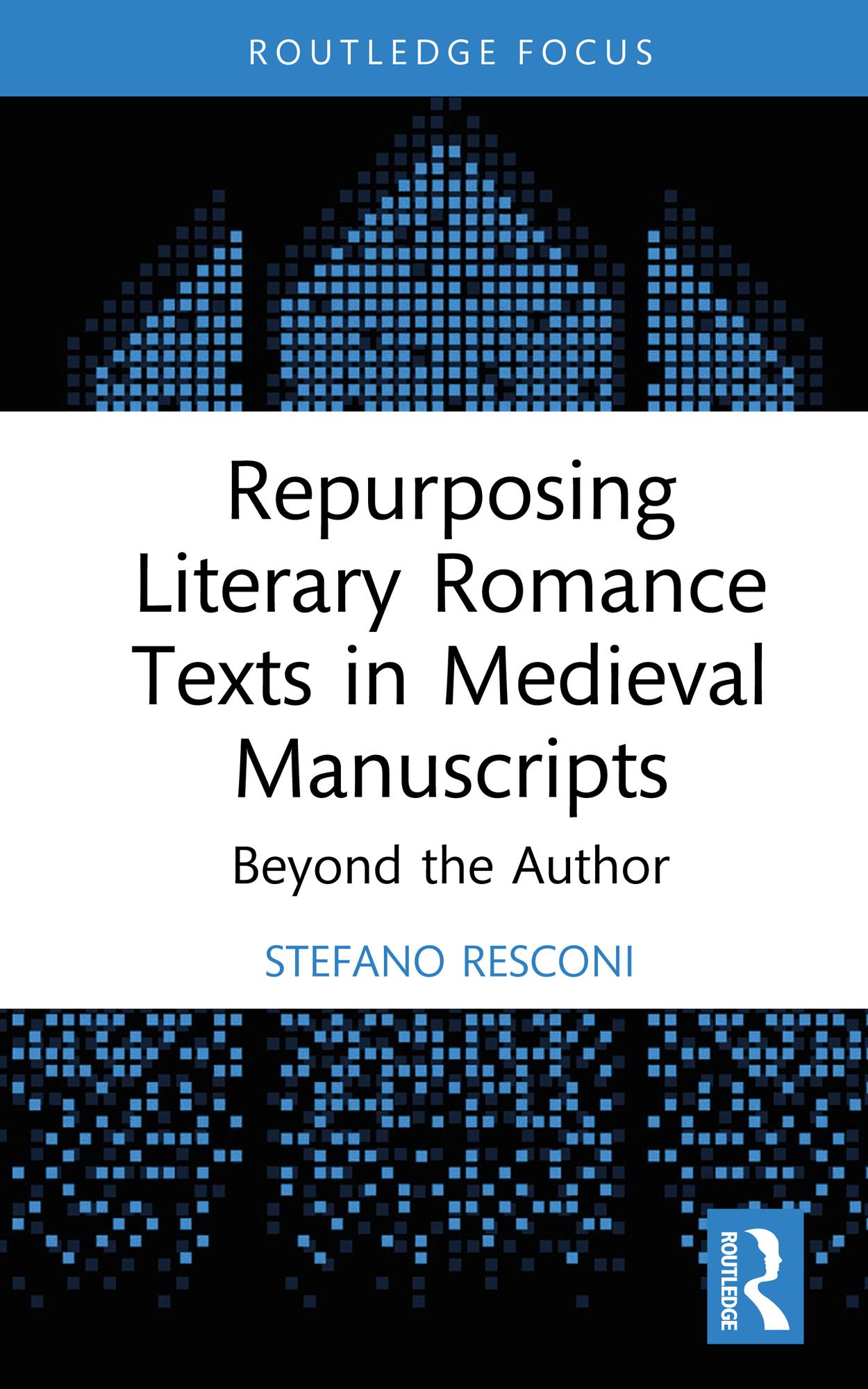
Transcribing a text within a Medieval manuscript was often not a culturally and ideologically neutral act. The lack of direct control by the authors over the circulation of their works allowed scribes to employ particularly refined strategies aimed at assigning new functions and meanings to these texts, which might appear very different from the original to the readers. This could be achieved in various ways, such as manipulating the configuration of the manuscript, creating or emphasising textual connections within organised collections, exploiting paratexts, or making more significant alterations to the text itself.
This volume provides an overview of the primary ways in which textual repurposing and the consequent guiding of the reader are achieved within the manuscript tradition of Medieval Romance literary texts. Each method is described and exemplified through detailed analysis of particularly significant cases, which not only offer interesting insights into the perception of authorship in this literary context but also reveal unexpected ways through which manuscript compilers revitalise and enhance the communication of the works they handle.
This book will be of interest to readers of Romance Medieval literature, Medieval manuscript culture, and material philology.
Płać wygodnie kartą, Klarną, Apple Pay lub Google Pay. Nie jesteś zadowolony? Zawsze masz 14-dniową gwarancję zwrotu pieniędzy. Więcej przeczytasz w naszych warunkach. Masz pytania? Napisz do nas na hello@memmo.org.
Memmo ułatwia naukę – gdziekolwiek jesteś na świecie. U nas znajdziesz podręczniki i sprytne narzędzia do nauki w jednym miejscu: streszczenia, quizy, podcasty i fiszki. A do tego Ted, Twój kumpel do nauki, który odpowie na wszystko, co Cię nurtuje. Ponad 50 000 studentów już tu się uczy – stworzone, byś uczył się szybciej i mniej stresował.