
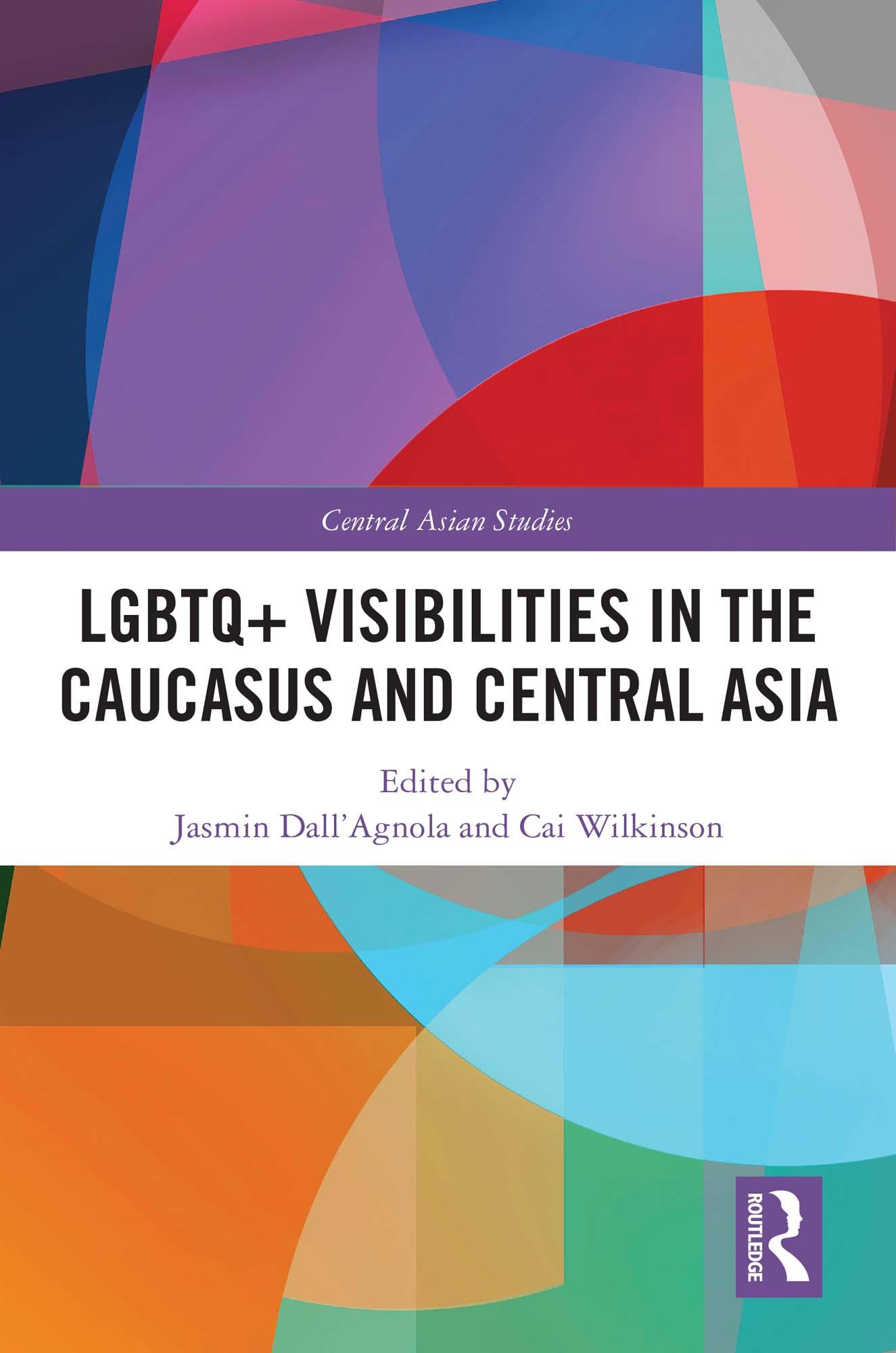
This book discusses the ongoing challenges of queer visibilities, activism, and knowledge production and demonstrates that there are lessons to be learned from the experiences of queer people in the Caucasus and Central Asia.
The idea for this book emerged from a desire to showcase queer scholarship in and on the region, following a panel discussion about the visibility of queer communities in the post-Soviet space at the ASEEES virtual convention in December 2021. The contributions in this book explore questions, including but not limited to: Under what circumstances and conditions does the Internet play a polarizing or liberalizing role in relation to sexual and gender diversities? What accounts for the divergent trajectories of LGBTQ+ rights recognition in different states and regions of the world? How is expanding access to the Internet and persistent government censorship and queerphobia changing LGBTQ+ identities, visibilities, and activism?
Via their engagements with the questions outlined above, this book amply demonstrates not just the relevance of scholarship about LGBTQ+ communities and activism for both area studies and queer studies but the ongoing need to interrogate existing political economies of knowledge production.
The chapters in this book were originally published in Central Asian Survey and are accompanied by a new Foreword, an updated Introduction, an Epilogue, and an Afterword.
Płać wygodnie kartą, Klarną, Apple Pay lub Google Pay. Nie jesteś zadowolony? Zawsze masz 14-dniową gwarancję zwrotu pieniędzy. Więcej przeczytasz w naszych warunkach. Masz pytania? Napisz do nas na hello@memmo.org.
Memmo ułatwia naukę – gdziekolwiek jesteś na świecie. U nas znajdziesz podręczniki i sprytne narzędzia do nauki w jednym miejscu: streszczenia, quizy, podcasty i fiszki. A do tego Ted, Twój kumpel do nauki, który odpowie na wszystko, co Cię nurtuje. Ponad 50 000 studentów już tu się uczy – stworzone, byś uczył się szybciej i mniej stresował.