
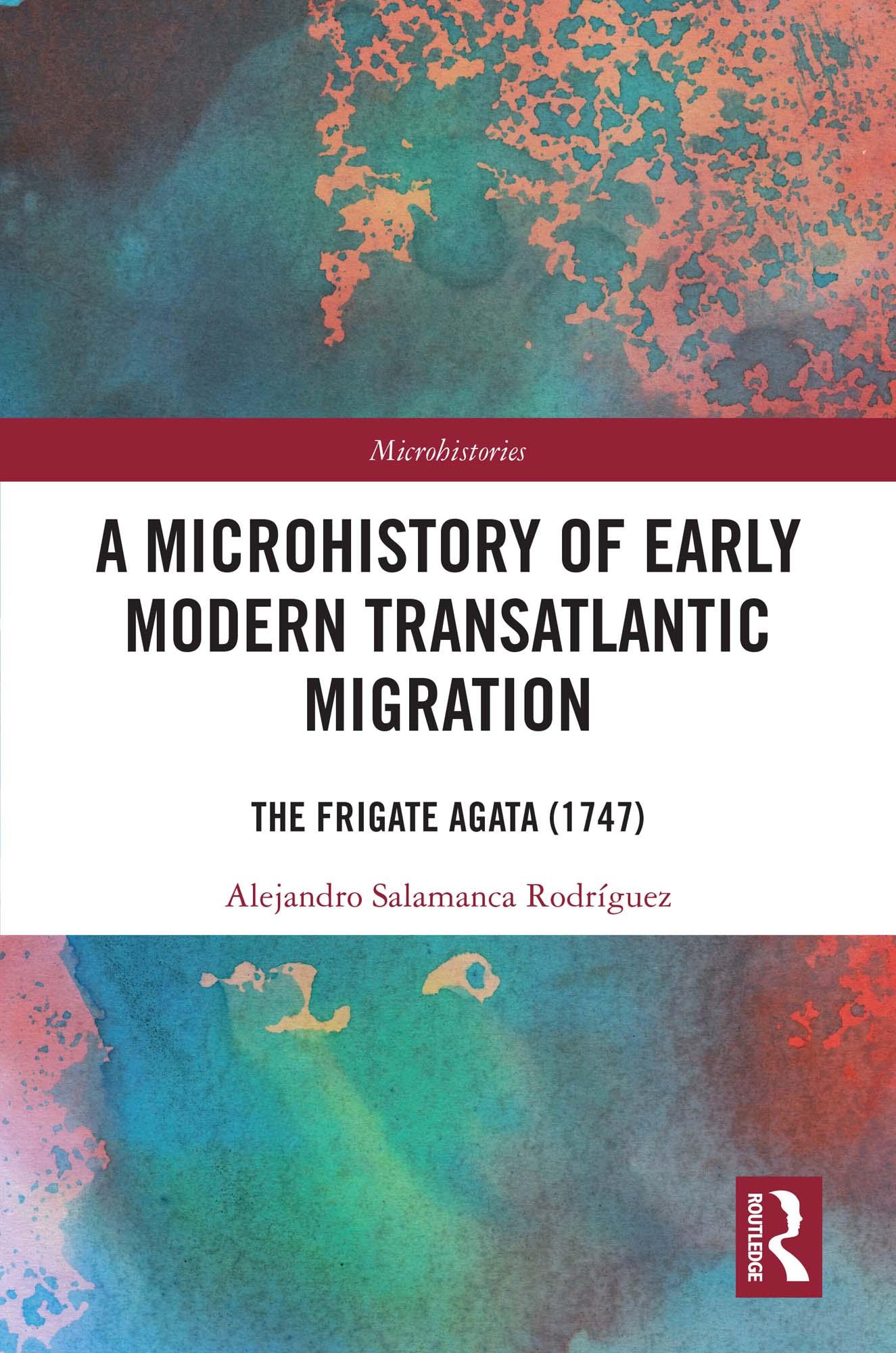
This microhistory of early modern transatlantic migration follows the journey of the Agata, a Dutch frigate hired by Spanish merchants in 1747 to travel between Cádiz and Veracruz. Manned by migrants from across Europe, the Agata was intercepted by British privateers on its return trip, an event that led to the preservation of most of the documents on board, including a collection of personal letters.
Through a microscopical lens, this book delves into the lives of some of the migrants linked to the Agata, either as members of the crew —a ship, after all, is a moving workplace— as passengers, or as people sending letters through the ship. Their stories and anecdotes illustrate how early modern migrants in the Spanish Atlantic navigated the often-restrictive migration laws, stayed connected with family and friends back home, sent remittances and gifts, and built networks to support new migrants.
A Microhistory of Early Modern Transatlantic Migration is written for anyone interested in the history of migration, regardless of their familiarity with the specific historical context. It aims to engage both specialists and general readers interested in migration, labour, seafaring, and social history. This book also seeks to bridge some gaps between contemporary migration studies and migration history, serving as an introduction to these fields for non-specialist readers while providing new insights from unpublished sources not previously examined by other historians, and offered in translation.
Płać wygodnie kartą, Klarną, Apple Pay lub Google Pay. Nie jesteś zadowolony? Zawsze masz 14-dniową gwarancję zwrotu pieniędzy. Więcej przeczytasz w naszych warunkach. Masz pytania? Napisz do nas na hello@memmo.org.
Memmo ułatwia naukę – gdziekolwiek jesteś na świecie. U nas znajdziesz podręczniki i sprytne narzędzia do nauki w jednym miejscu: streszczenia, quizy, podcasty i fiszki. A do tego Ted, Twój kumpel do nauki, który odpowie na wszystko, co Cię nurtuje. Ponad 50 000 studentów już tu się uczy – stworzone, byś uczył się szybciej i mniej stresował.