
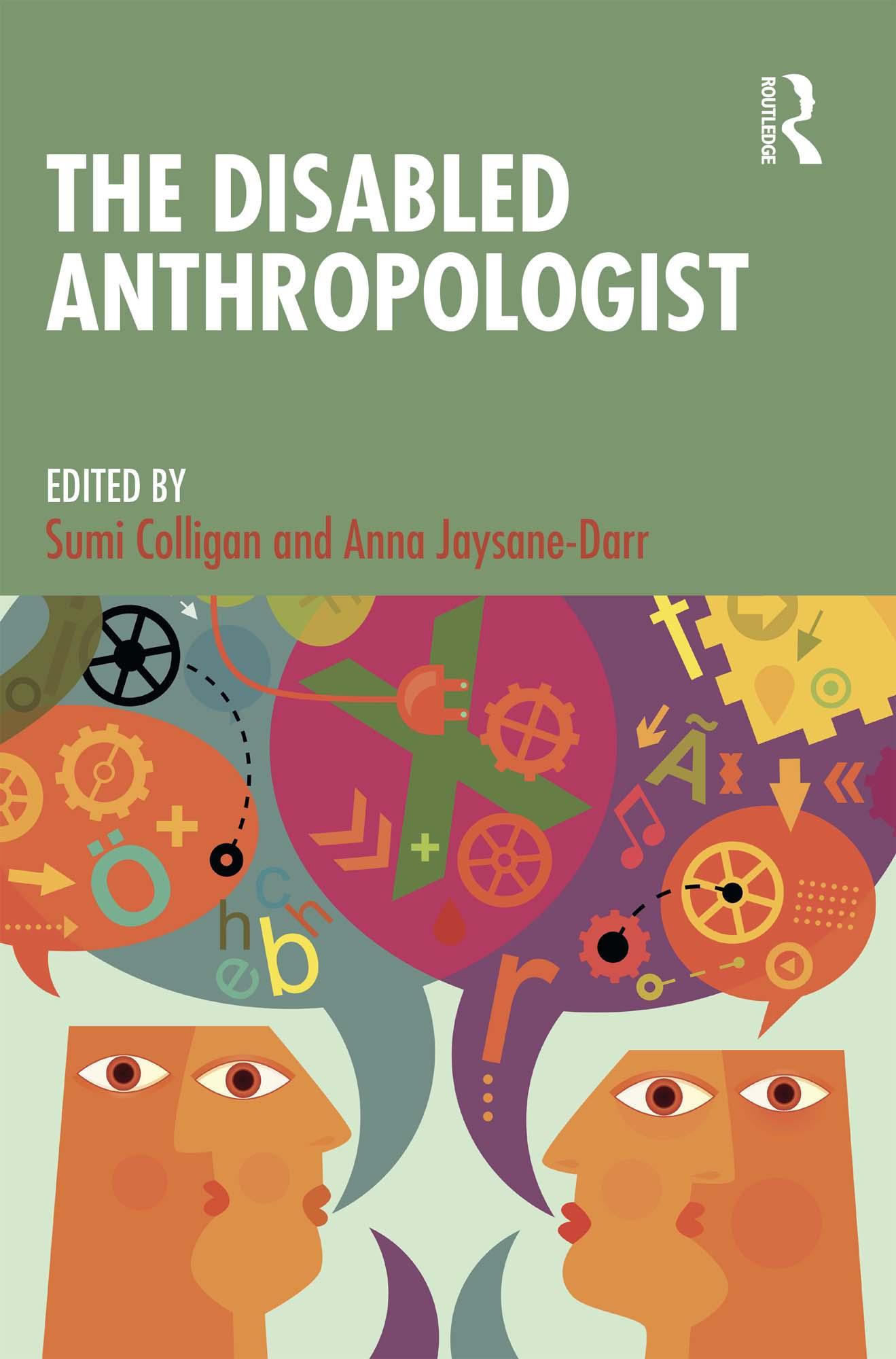
This book brings much needed attention to disabled anthropologists, making clear that “disabled” and “anthropologist” belong together. The disabled anthropologists who contribute to this volume and on which these chapters focus have refused erasure from a profession that would ignore their critiques and creativity. Applying autoethnographic, photographic, and poetic venues, the contributors assess the drawbacks of their anthropology training programs, the limitations of accessibility practices in the academy, and how their own embodiments and the contingencies of their research and research settings have facilitated the discovery of novel methodologies and insights. Collectively this volume’s contributors demonstrate a shared concern for the wellbeing of disabled ethnographers and interlocutors, whether working with Colombian refugees in Ecuador or those living with chronic pain in Michigan.
The Disabled Anthropologist is essential reading for students and scholars working in cultural and medical anthropology.
Płać wygodnie kartą, Klarną, Apple Pay lub Google Pay. Nie jesteś zadowolony? Zawsze masz 14-dniową gwarancję zwrotu pieniędzy. Więcej przeczytasz w naszych warunkach. Masz pytania? Napisz do nas na hello@memmo.org.
Memmo ułatwia naukę – gdziekolwiek jesteś na świecie. U nas znajdziesz podręczniki i sprytne narzędzia do nauki w jednym miejscu: streszczenia, quizy, podcasty i fiszki. A do tego Ted, Twój kumpel do nauki, który odpowie na wszystko, co Cię nurtuje. Ponad 50 000 studentów już tu się uczy – stworzone, byś uczył się szybciej i mniej stresował.