
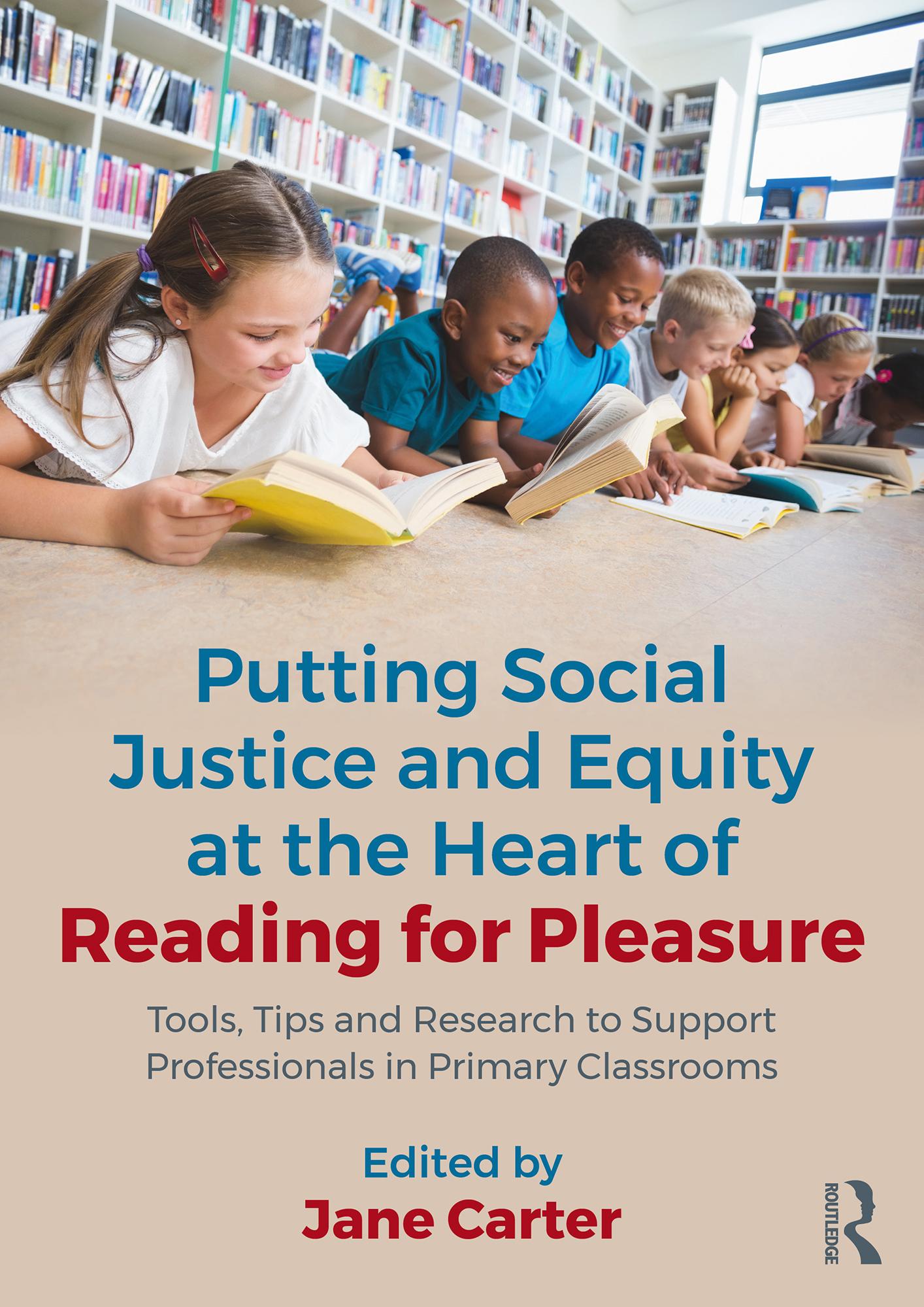
This essential book discusses what reading for pleasure is and what it is not, introducing some fundamental ideas about how we learn to read and how this process can impact a child’s identity as a reader in classrooms that promote equality, inclusion and diversity.
The profile and importance of Reading for Pleasure has grown significantly over the last few years and is now firmly embedded in both government policy and the Ofsted framework. Developing a Reading for Pleasure school that is truly inclusive of the whole school community, however, can require a culture shift in relation to the teaching of reading, representation in the reading environment and the knowledge, and attitudes of the school community. This book seeks to use the current research, teacher case studies and the voices of children to address some of the issues that teachers and pre-service teachers encounter when trying to develop an inclusive Reading for Pleasure culture within their schools. Each chapter is co-authored by teachers and researchers and includes case studies and children’s perspectives.
It provides practical and evidence-based advice, lesson ideas and creative ideas to both support and challenge all school leaders, staff and student teachers in their journey to create readers rather than children that can just read.
Płać wygodnie kartą, Klarną, Apple Pay lub Google Pay. Nie jesteś zadowolony? Zawsze masz 14-dniową gwarancję zwrotu pieniędzy. Więcej przeczytasz w naszych warunkach. Masz pytania? Napisz do nas na hello@memmo.org.
Memmo ułatwia naukę – gdziekolwiek jesteś na świecie. U nas znajdziesz podręczniki i sprytne narzędzia do nauki w jednym miejscu: streszczenia, quizy, podcasty i fiszki. A do tego Ted, Twój kumpel do nauki, który odpowie na wszystko, co Cię nurtuje. Ponad 50 000 studentów już tu się uczy – stworzone, byś uczył się szybciej i mniej stresował.