
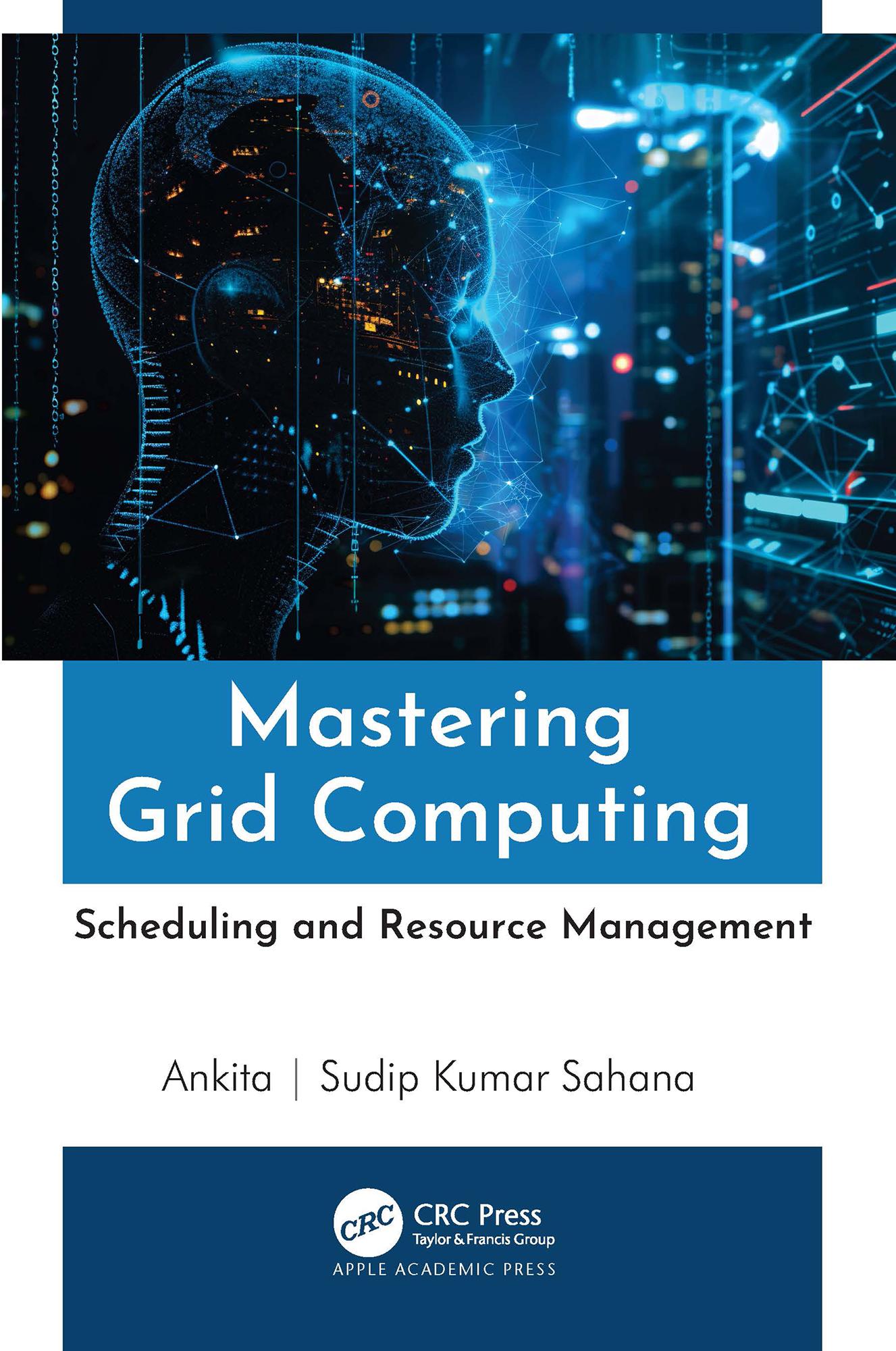
Grid computing, a computing infrastructure that combines computer resources spread over different geographical locations to achieve a common goal, is seen as an efficient solution to solve complex real-world computer problems in a shorter time. Grid computing makes it easier to collaborate with other organizations, makes better use of existing hardware, and reduces transmission congestion, leading to more efficient electricity markets, improved power quality, and a reduced environmental impact.
Highlighting the salient features of grid computing, this new book begins with the basic definition of grid and its architecture and also discusses advances to the complex hybridized model of grid computing, grid scheduling, and grid resource management. The chapters address different problems causing grid bottlenecks, the formulation of solution strategies, implementation of grid scheduling, along with case studies of grid computing. It introduces several scheduling algorithms and evaluates the efficiency of these algorithms using comparative analysis while also discussing grid simulators.
The book will be a valuable guide for new and experienced researchers and will advance their understanding of the concept of grid computing in a broader perspective. Starting from the basic definition of grid and its architecture to the complex hybridized model of scheduling, this book is a comprehensive resource on grid computing, grid scheduling, and grid resource management.
Płać wygodnie kartą, Klarną, Apple Pay lub Google Pay. Nie jesteś zadowolony? Zawsze masz 14-dniową gwarancję zwrotu pieniędzy. Więcej przeczytasz w naszych warunkach. Masz pytania? Napisz do nas na hello@memmo.org.
Memmo ułatwia naukę – gdziekolwiek jesteś na świecie. U nas znajdziesz podręczniki i sprytne narzędzia do nauki w jednym miejscu: streszczenia, quizy, podcasty i fiszki. A do tego Ted, Twój kumpel do nauki, który odpowie na wszystko, co Cię nurtuje. Ponad 50 000 studentów już tu się uczy – stworzone, byś uczył się szybciej i mniej stresował.