
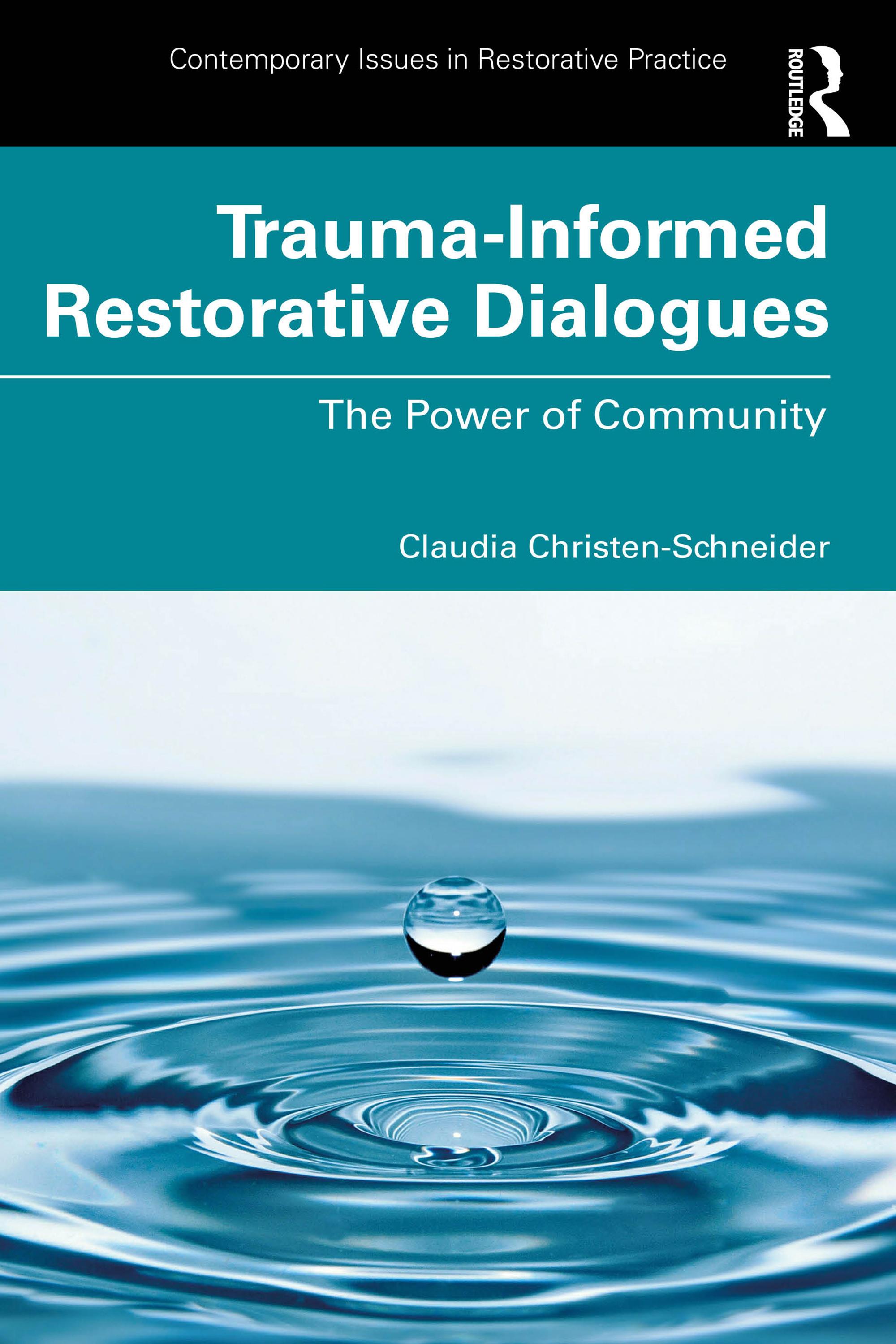
This book combines trauma-informed practice with restorative justice to explore how restorative dialogues can support those affected by trauma. Trauma-informed practice involves understanding the impact of trauma and creating an environment that is sensitive to its effects, which is essential for fostering meaningful dialogue between victims and offenders. Conversely, restorative justice focuses on addressing harm through inclusive processes involving victims, offenders and the community, and aims to respond to the needs of all parties affected by the harm.
By integrating these perspectives, the book illustrates how trauma-informed restorative dialogues - an approach that expands access to restorative justice when direct encounters between victims and offenders are not possible - can improve access to justice, promote recovery and facilitate transformation. It provides practical guidance based on insights from victims and facilitators in five European countries and offenders in Swiss prisons, and addresses secondary trauma among practitioners, offering strategies for their self-care and organisational care.
Aimed at practitioners, academics, policy makers and service providers, this in-depth research fills a gap in the restorative justice literature by demonstrating how trauma-informed principles can strengthen communities and support those affected by serious harm.
Płać wygodnie kartą, Klarną, Apple Pay lub Google Pay. Nie jesteś zadowolony? Zawsze masz 14-dniową gwarancję zwrotu pieniędzy. Więcej przeczytasz w naszych warunkach. Masz pytania? Napisz do nas na hello@memmo.org.
Memmo ułatwia naukę – gdziekolwiek jesteś na świecie. U nas znajdziesz podręczniki i sprytne narzędzia do nauki w jednym miejscu: streszczenia, quizy, podcasty i fiszki. A do tego Ted, Twój kumpel do nauki, który odpowie na wszystko, co Cię nurtuje. Ponad 50 000 studentów już tu się uczy – stworzone, byś uczył się szybciej i mniej stresował.