
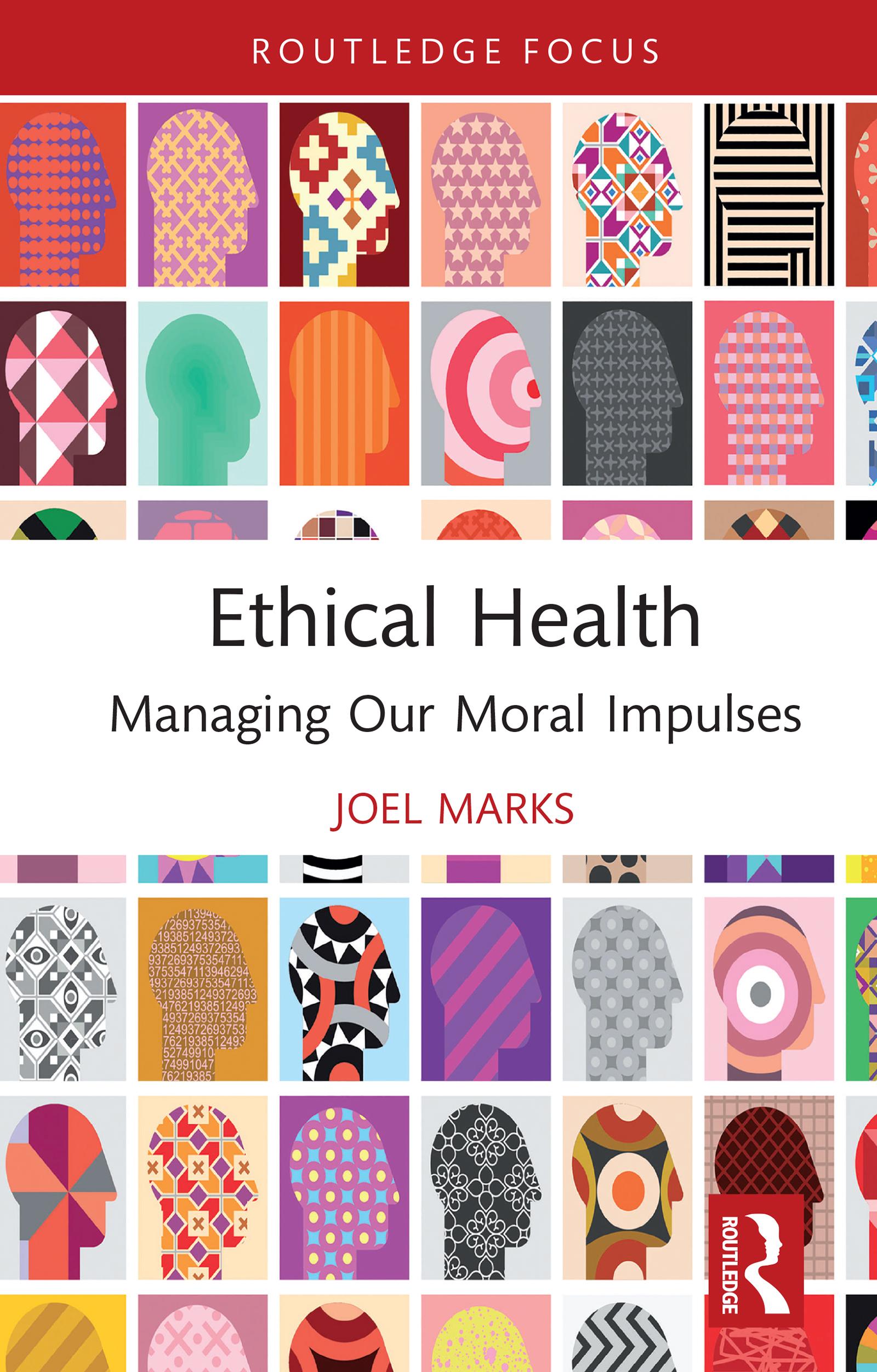
This book argues that moralism is a troublesome emotion of the sort one might seek help with from a psychotherapist. Its focus is on how to disabuse ourselves of the illusion that our values are objective, as well as how to manage the manifestations of its residual presence.
This thesis may seem odd at first blush because morality is commonly conceived as an antidote to our baser impulses. Desire makes us want to do something, but the voice of conscience urges us not to. If morality is conceived as a myth, as the author contends, then how shall we conduct our lives? The form of abolitionism put forward by the author goes beyond proposing the mere elimination of moral beliefs, attitudes, vocabulary, and institutions to encouraging their replacement by the rational vetting of our desires. He suggests that moralism, conceived as being motivated by belief in objective values, be treated similarly to, or even as, an emotional problem, akin to, or perhaps even identical to, the sort addressed by anger management programs in psychotherapy. By exposing our beliefs and desires to rational scrutiny, we can achieve our rational goals without the adverse side effects engendered by a fictitious moral overlay.
Ethical Health will principally appeal to scholars and students working in meta-ethics and moral psychology and will also be of interest to clinical practitioners and inquiring laypersons.
Płać wygodnie kartą, Klarną, Apple Pay lub Google Pay. Nie jesteś zadowolony? Zawsze masz 14-dniową gwarancję zwrotu pieniędzy. Więcej przeczytasz w naszych warunkach. Masz pytania? Napisz do nas na hello@memmo.org.
Memmo ułatwia naukę – gdziekolwiek jesteś na świecie. U nas znajdziesz podręczniki i sprytne narzędzia do nauki w jednym miejscu: streszczenia, quizy, podcasty i fiszki. A do tego Ted, Twój kumpel do nauki, który odpowie na wszystko, co Cię nurtuje. Ponad 50 000 studentów już tu się uczy – stworzone, byś uczył się szybciej i mniej stresował.