
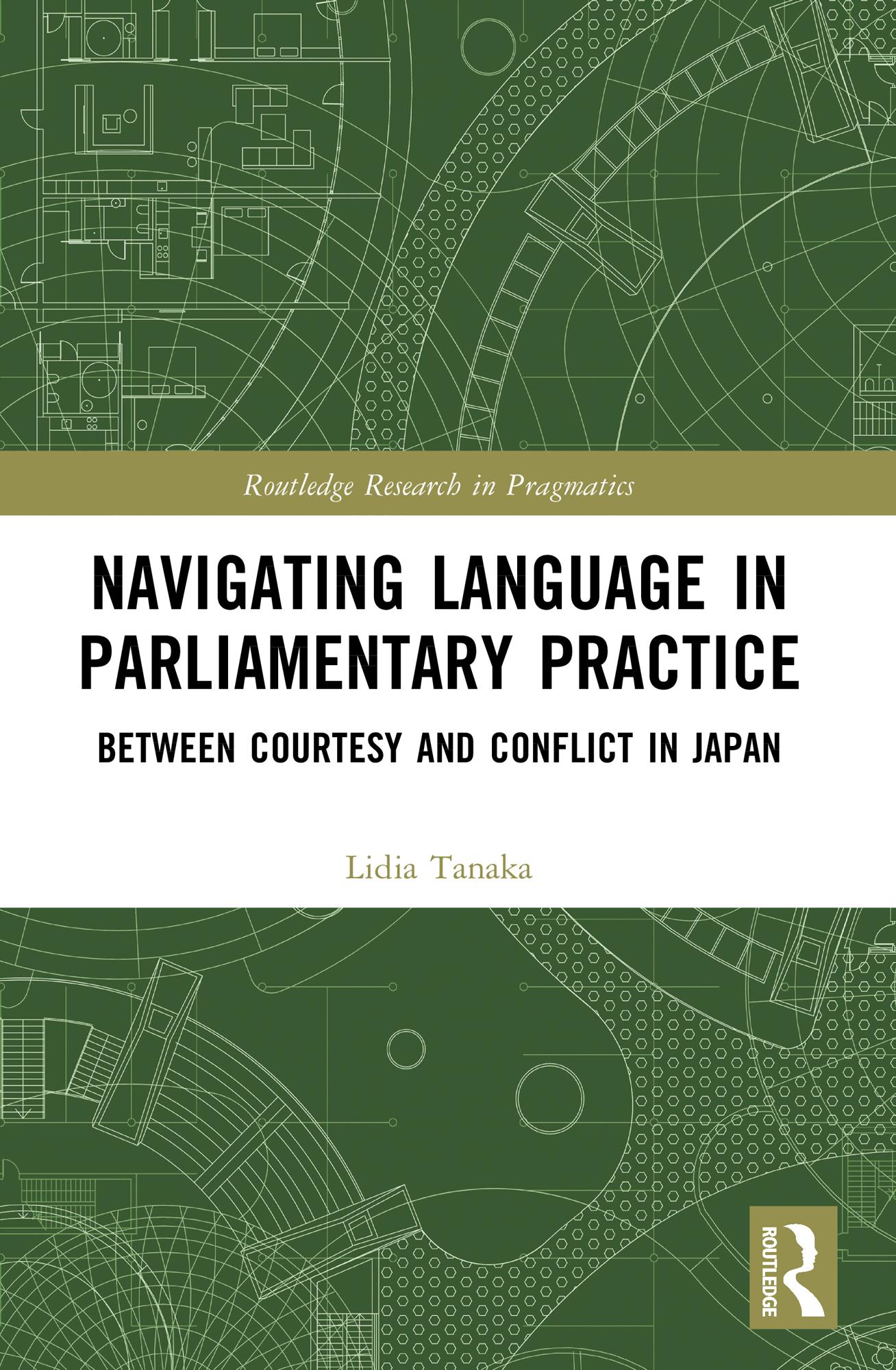
Tanaka explores the language used in Japanese parliamentary interactions to shed light on the use of language as a tool by politicians to convince, negotiate, persuade, as well as deliver aggression and criticism. By looking at the speech of politicians in the parliament of Japan, Tanaka demonstrates the unbreakable link between language and politics.
Despite the association of Japan as a society in which linguistic politeness is paramount, Tanaka highlights the many examples of impoliteness in parliament and illustrates the idea that Japanese parliamentarians use language strategically to accomplish their political agenda. Analysis of questions and answers in committee meetings demonstrate that regardless of which party they belong to, those in opposition use the most antagonistic strategies. The book also shows the ways in which politicians deliver face-attacks and demonstrates that impoliteness can be delivered without insults or open aggression, using extremely polite language, honorifics, or sarcasm and irony.
Lastly, the book also reveals that face-attacks are sent by members of both the government and opposition. As a book that explores the commonly overlooked phenomenon of impoliteness in Japan in the context of parliamentary interactions, it is a valuable resource for researchers and academics in the field of pragmatics and discourse analysis as well as a viable resource for undergraduate and graduate students.
Płać wygodnie kartą, Klarną, Apple Pay lub Google Pay. Nie jesteś zadowolony? Zawsze masz 14-dniową gwarancję zwrotu pieniędzy. Więcej przeczytasz w naszych warunkach. Masz pytania? Napisz do nas na hello@memmo.org.
Memmo ułatwia naukę – gdziekolwiek jesteś na świecie. U nas znajdziesz podręczniki i sprytne narzędzia do nauki w jednym miejscu: streszczenia, quizy, podcasty i fiszki. A do tego Ted, Twój kumpel do nauki, który odpowie na wszystko, co Cię nurtuje. Ponad 50 000 studentów już tu się uczy – stworzone, byś uczył się szybciej i mniej stresował.