
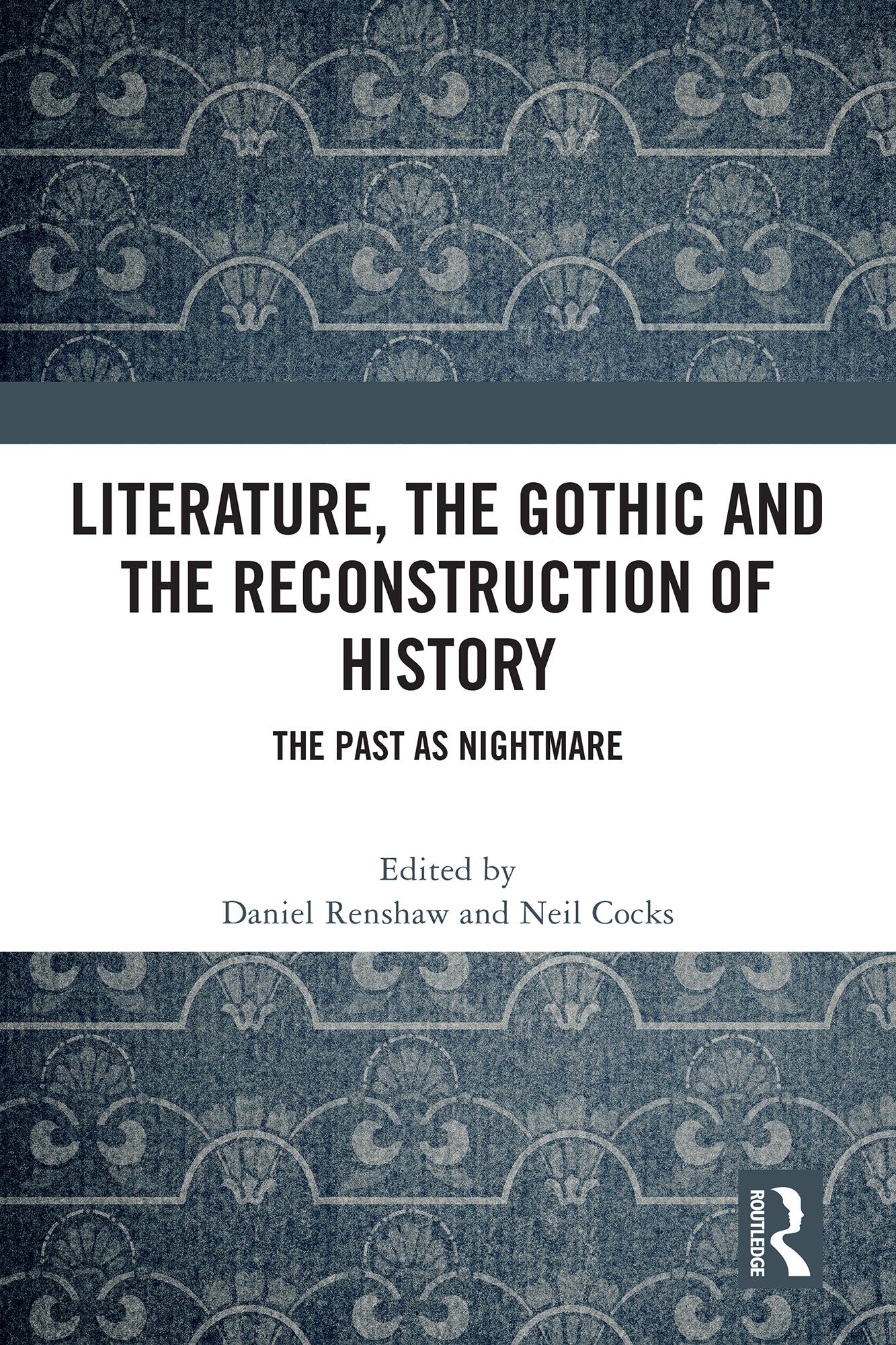
In the Gothic, nothing stays buried for long. Since its inception in the mid-eighteenth century, the Gothic imagination has been concerned with the pasts of the societies from which it emerged. This collection, featuring contributions from archivists, historians and literary critics, examines how horror fiction and the wider Gothic mode have engaged with the constructed conception of "history".
From Victorian nightmares of Jurassic jungles to ghost stories on the contemporary stage, the contributors adopt varied and innovative approaches to consider how the Gothic has created, complicated and sometimes subverted historical narratives. In doing so, these works blur the distinctions between the "historical record" and creative endeavour, undermine linear and sequential understandings of the progress of time and dissolve temporal boundaries. The collection explores a variety of Gothic forms including drama, poetry, prose, illustration, film and folklore, and it draws on classic texts such as Wuthering Heights and Dracula, as well as less familiar works, including Reynolds’ The Mysteries of London and Baldini’s Mal’aria.
Literature, the Gothic and the Reconstruction of History will be invaluable to students and scholars interested in the confluences of literary and historical endeavour, the creation and depiction of historical constructs in popular culture, and Gothic horror in its myriad forms.
Płać wygodnie kartą, Klarną, Apple Pay lub Google Pay. Nie jesteś zadowolony? Zawsze masz 14-dniową gwarancję zwrotu pieniędzy. Więcej przeczytasz w naszych warunkach. Masz pytania? Napisz do nas na hello@memmo.org.
Memmo ułatwia naukę – gdziekolwiek jesteś na świecie. U nas znajdziesz podręczniki i sprytne narzędzia do nauki w jednym miejscu: streszczenia, quizy, podcasty i fiszki. A do tego Ted, Twój kumpel do nauki, który odpowie na wszystko, co Cię nurtuje. Ponad 50 000 studentów już tu się uczy – stworzone, byś uczył się szybciej i mniej stresował.