
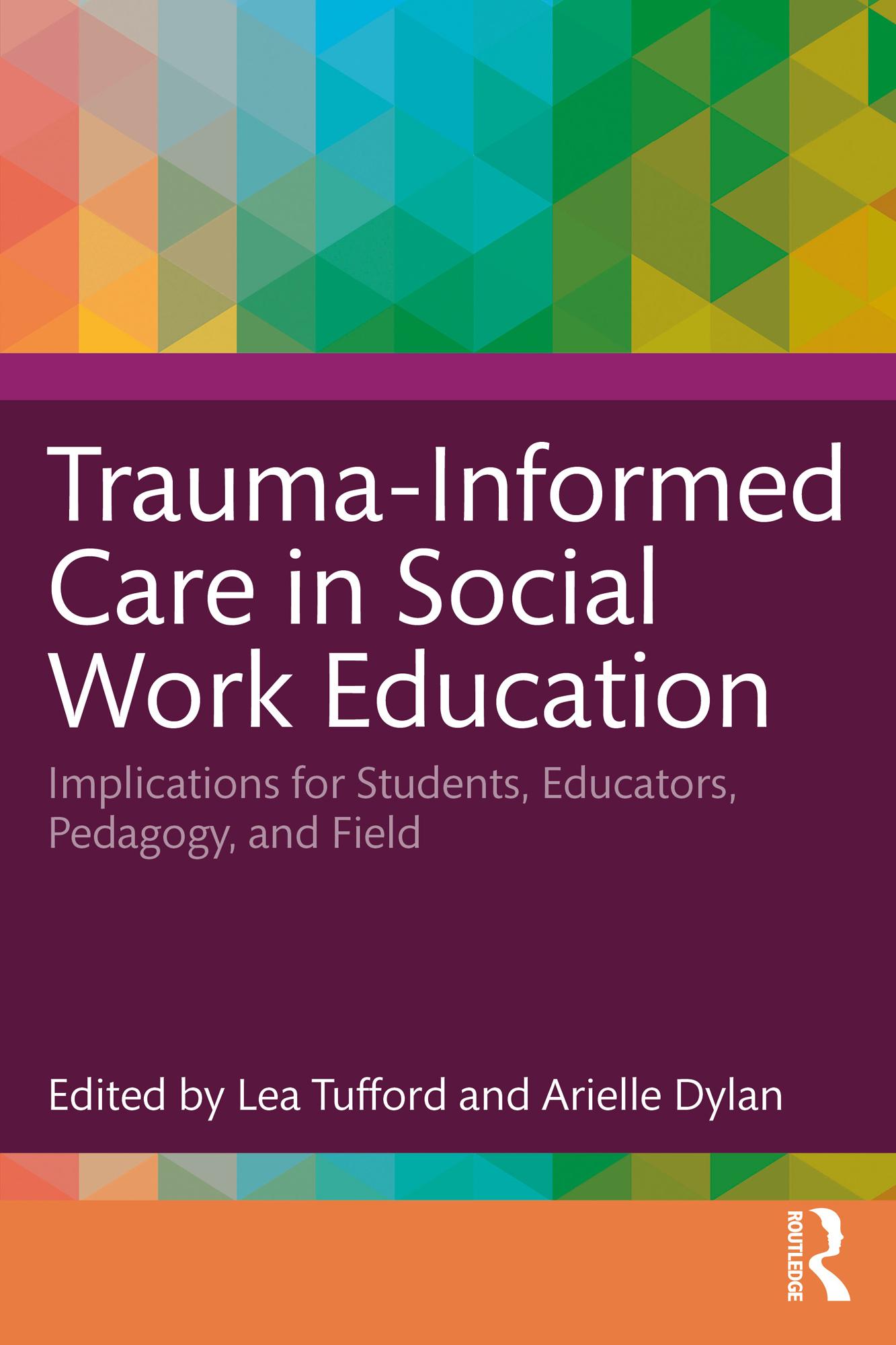
Structured and informed by social justice orientations, this essential volume explores how trauma-informed care can be integrated in all aspects of social work education. This handbook incorporates a critical and ecologically focused lens with an emphasis on resilience, healing, and strengths-based approaches.
With contributions from over 60 experts in the field of social work, education, psychology, and counselling, this comprehensive book provides current understandings of how trauma manifests in the lived experience of social work students. The book begins by introducing why trauma-informed care is needed in social work and addresses the reality of historical trauma. Each chapter views the social work student at the center of the educational journey and considers how trauma can shape experiences in various settings such as the classroom, curriculum, field, educational policy and community involvement, and support services. Chapters cover topics such as the neuroscience of trauma, poverty, disability, racism, experiential approaches, online course delivery, climate change, mindfulness, student mental wellbeing, and more.
This handbook is a must-read for social work educators and field instructors who seek to prevent and lessen trauma in their social work pedagogy. It is also beneficial for undergraduate and graduate courses such as child and youth care, addiction services, and foundations of social work.
Płać wygodnie kartą, Klarną, Apple Pay lub Google Pay. Nie jesteś zadowolony? Zawsze masz 14-dniową gwarancję zwrotu pieniędzy. Więcej przeczytasz w naszych warunkach. Masz pytania? Napisz do nas na hello@memmo.org.
Memmo ułatwia naukę – gdziekolwiek jesteś na świecie. U nas znajdziesz podręczniki i sprytne narzędzia do nauki w jednym miejscu: streszczenia, quizy, podcasty i fiszki. A do tego Ted, Twój kumpel do nauki, który odpowie na wszystko, co Cię nurtuje. Ponad 50 000 studentów już tu się uczy – stworzone, byś uczył się szybciej i mniej stresował.