
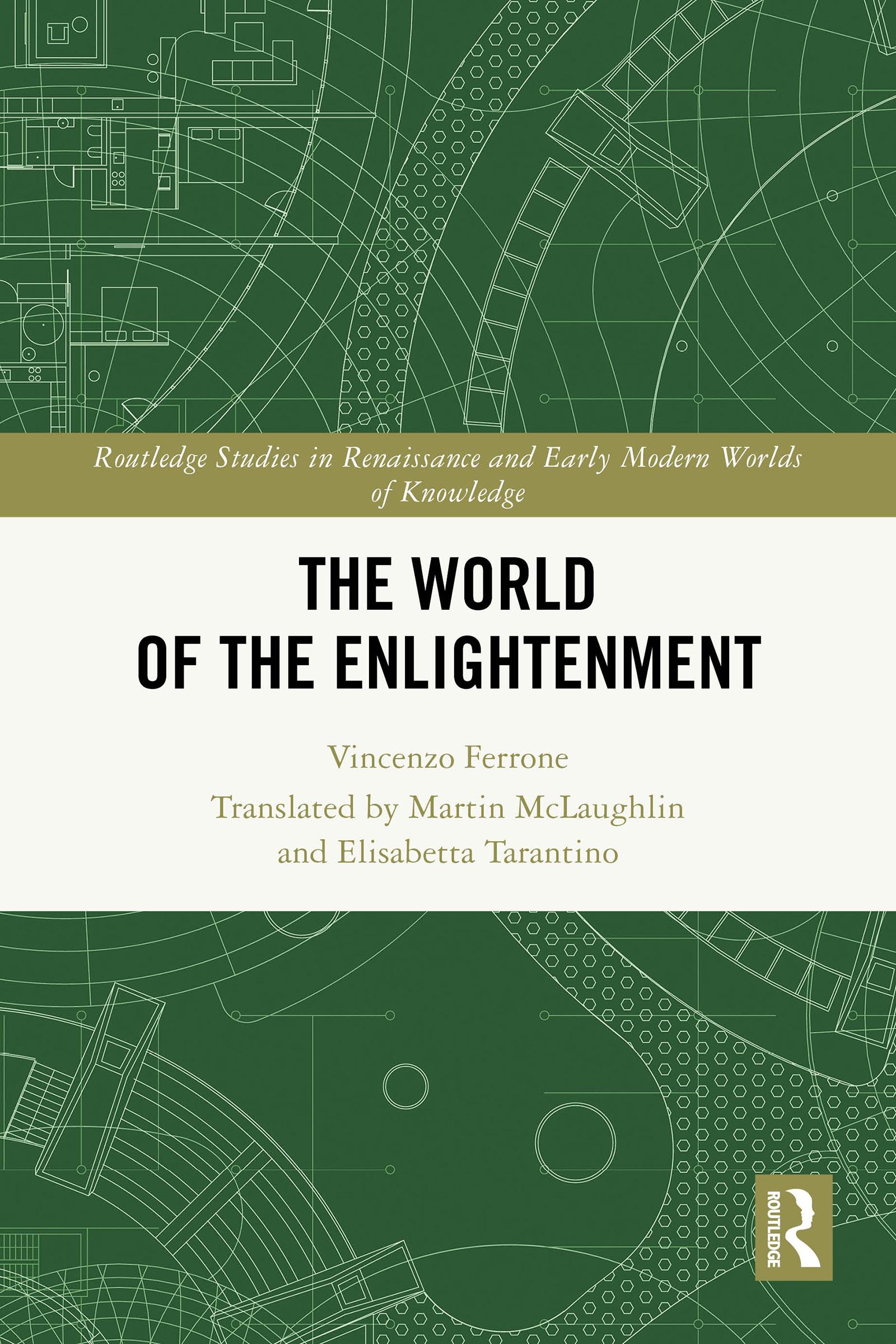
The Enlightenment was a laboratory of modernity that changed the history of the Western world, helping to bring about globalisation and the rise of a powerful intellectual class. It gave the scientific revolution new methods and a new purpose by ushering in the sciences of man. At the same time, it constantly interrogated these new sciences, wary of the possibility that they might lead to discrimination rather than emancipation. The late Enlightenment, the most mature and productive period, developed its values and political ideals, such as the concept of liberty and of a constitutional and “republican” government, through its confrontation with the Ancien régime, the slave trade and imperial colonialism, and the betrayal of the revolutionary ideals in the Americas.
The World of the Enlightenment is a wide-ranging discussion of one of the most important cultural phenomena of the modern era. It covers topics from the scientific (such as the approaches of empiricism and humanism), the political (the rights of man, slavery and colonial independence) and the artistic (modern art and public opinion). The author discusses these topics thematically in ten chapters.
This book will appeal to scholars and students alike studying the Enlightenment and the history of intellectualism, as well as all those interested in the history of modern science, politics and culture.
Translated by Martin McLaughlin and Elisabetta Tarantino
Płać wygodnie kartą, Klarną, Apple Pay lub Google Pay. Nie jesteś zadowolony? Zawsze masz 14-dniową gwarancję zwrotu pieniędzy. Więcej przeczytasz w naszych warunkach. Masz pytania? Napisz do nas na hello@memmo.org.
Memmo ułatwia naukę – gdziekolwiek jesteś na świecie. U nas znajdziesz podręczniki i sprytne narzędzia do nauki w jednym miejscu: streszczenia, quizy, podcasty i fiszki. A do tego Ted, Twój kumpel do nauki, który odpowie na wszystko, co Cię nurtuje. Ponad 50 000 studentów już tu się uczy – stworzone, byś uczył się szybciej i mniej stresował.