
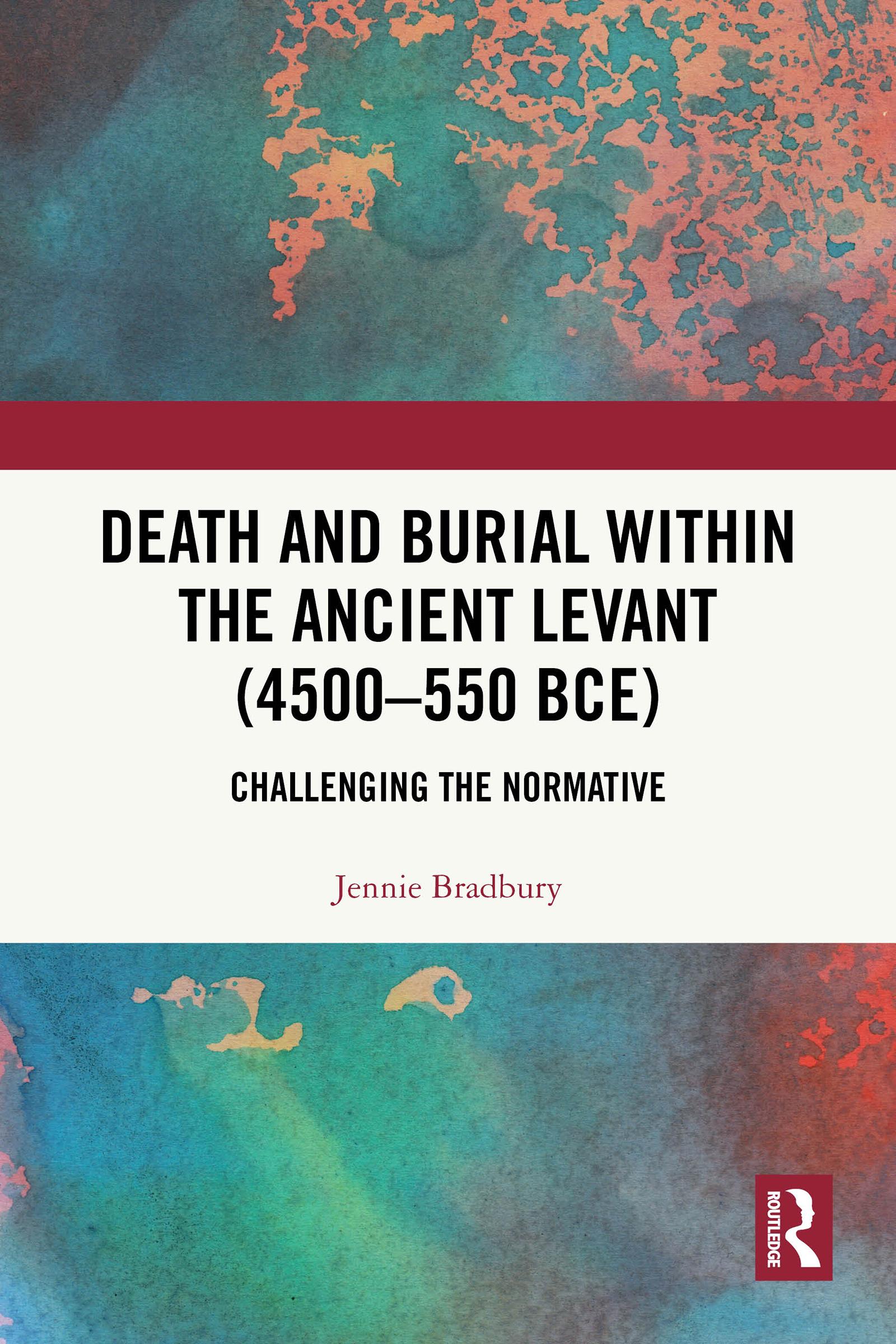
This book offers a comprehensive survey of burial practices in the ancient Levant and challenges some of the assumptions behind previous attempts to find a normative burial practice.
Exploring the dazzling variety of ways in which the living deal with the dead, this book utilises big data projects and legacy data to highlight the sheer diversity of burial practices in the ancient Levant. Theorizing that some types of burial are significantly underrepresented, this volume argues for the necessity of analysing both the existing and non-existing data at multiple scales of analysis. Thus, rather than attempting to identify a ‘normative’ or ‘typical’ burial, the volume highlights the multitude of ways in which the living approached and interacted with the dead across the ancient Levant, from the Late Chalcolithic to the Iron Age (fifth to first millennia BCE). In doing so it acknowledges and foregrounds variability, not only in terms of so-called ‘atypicality’, but also in terms of burials and practices that have been mistakenly lumped together in the drive to produce narratives of similarity and normative behaviour. This volume also explores some of the broader patterns and temporal/spatial shifts that shed light on wider changes in the ways in which humans perceive(d) of the dead and themselves (the living) over time.
While predominantly focused on the modern regions of Israel, Jordan, Lebanon, Palestine, and Syria, this book also engages with these broader themes across Western Asia and the Mediterranean, adopting an interdisciplinary and cross-cultural approach to understanding temporal and spatial variability. This book is of relevance for students and researchers of Ancient Western Asia, as well as those of the archaeology of death and burial.
Płać wygodnie kartą, Klarną, Apple Pay lub Google Pay. Nie jesteś zadowolony? Zawsze masz 14-dniową gwarancję zwrotu pieniędzy. Więcej przeczytasz w naszych warunkach. Masz pytania? Napisz do nas na hello@memmo.org.
Memmo ułatwia naukę – gdziekolwiek jesteś na świecie. U nas znajdziesz podręczniki i sprytne narzędzia do nauki w jednym miejscu: streszczenia, quizy, podcasty i fiszki. A do tego Ted, Twój kumpel do nauki, który odpowie na wszystko, co Cię nurtuje. Ponad 50 000 studentów już tu się uczy – stworzone, byś uczył się szybciej i mniej stresował.