
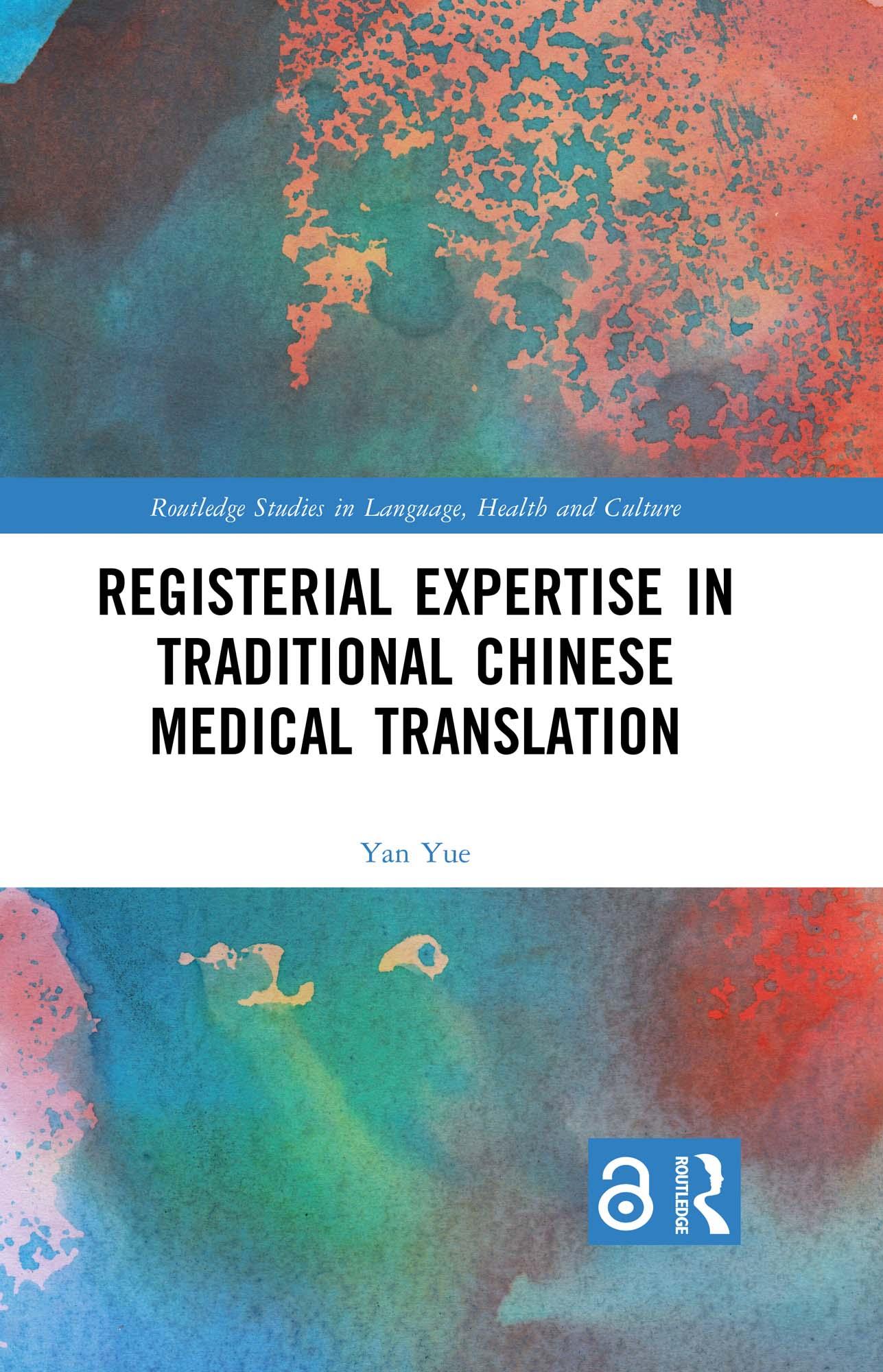
Yue’s book explores the nature of translation using traditional Chinese medicine (TCM) and the TCM classic Huangdi Neijing and its various translations. Yue examines in great detail and depth the important factors that cause the differences in the translators’ treatment of language indeterminacies.
Apart from having multi-faceted and fine-grained linguistic analysis, this book also serves as a good model of methodology, in terms of corpus building, contrastive analysis, exemplification, and glossing following systemic functional linguistics (SFL) convention. This book is an argument for greater emphasis on the linguistic notion of register in translator’s expertise, specifically in the way that professional experience and training – with their registerial demands – may be the key to semantic decisions forced on a translator by the inevitable vagaries and indeterminacies of establishing a working “equivalence” across languages and cultures and deep time. It probes the issue in an extreme case: the debate over who is the “ideal” translator in Chinese medicine translation through various case studies. The result suggests it is possible to demonstrate, empirically, that clinical experience in translators is likely to have consistent, or even measurable, consequences.
This book will be of interest to three different fields: translators in training, applicable systemic functional linguistics, and traditional Chinese medicine communication.
Płać wygodnie kartą, Klarną, Apple Pay lub Google Pay. Nie jesteś zadowolony? Zawsze masz 14-dniową gwarancję zwrotu pieniędzy. Więcej przeczytasz w naszych warunkach. Masz pytania? Napisz do nas na hello@memmo.org.
Memmo ułatwia naukę – gdziekolwiek jesteś na świecie. U nas znajdziesz podręczniki i sprytne narzędzia do nauki w jednym miejscu: streszczenia, quizy, podcasty i fiszki. A do tego Ted, Twój kumpel do nauki, który odpowie na wszystko, co Cię nurtuje. Ponad 50 000 studentów już tu się uczy – stworzone, byś uczył się szybciej i mniej stresował.