
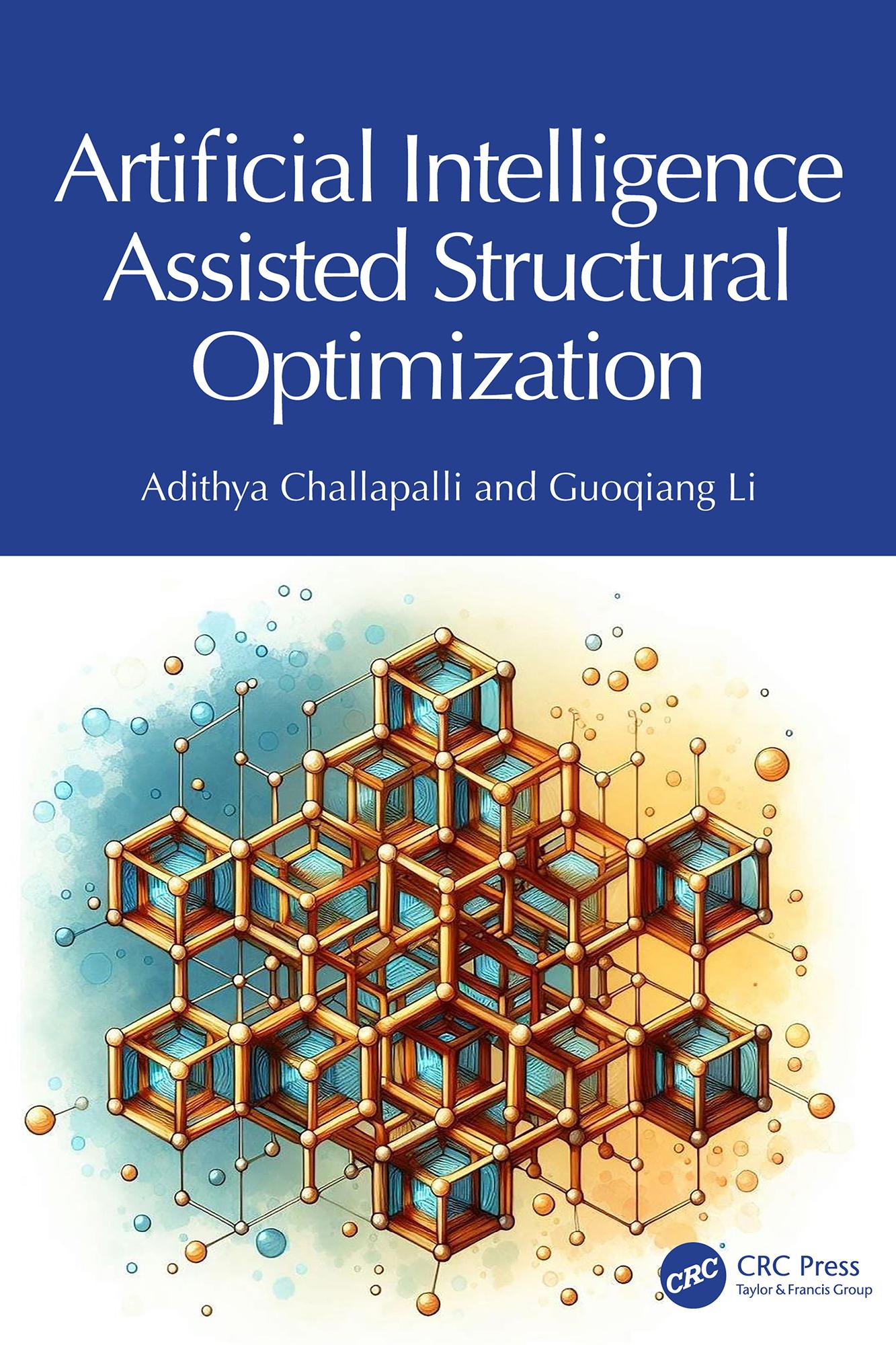
Artificial Intelligence Assisted Structural Optimization explores the use of machine learning and correlation analysis within the forward design and inverse design frameworks to design and optimize lightweight load-bearing structures as well as mechanical metamaterials.
Discussing both machine learning and design analysis in detail, this book enables readers to optimize their designs using a data-driven approach. This book discusses the basics of the materials utilized, for example, shape memory polymers, and the manufacturing approach employed, such as 3D or 4D printing. Additionally, the book discusses the use of forward design and inverse design frameworks to discover novel lattice unit cells and thin-walled cellular unit cells with enhanced mechanical and functional properties such as increased mechanical strength, heightened natural frequency, strengthened impact tolerance, and improved recovery stress. Inverse design methodologies using generative adversarial networks are proposed to further investigate and improve these structures. Detailed discussions on fingerprinting approaches, machine learning models, structure screening techniques, and typical Python codes are provided in the book.
The book provides detailed guidance for both students and industry engineers to optimize their structural designs using machine learning.
Płać wygodnie kartą, Klarną, Apple Pay lub Google Pay. Nie jesteś zadowolony? Zawsze masz 14-dniową gwarancję zwrotu pieniędzy. Więcej przeczytasz w naszych warunkach. Masz pytania? Napisz do nas na hello@memmo.org.
Memmo ułatwia naukę – gdziekolwiek jesteś na świecie. U nas znajdziesz podręczniki i sprytne narzędzia do nauki w jednym miejscu: streszczenia, quizy, podcasty i fiszki. A do tego Ted, Twój kumpel do nauki, który odpowie na wszystko, co Cię nurtuje. Ponad 50 000 studentów już tu się uczy – stworzone, byś uczył się szybciej i mniej stresował.