
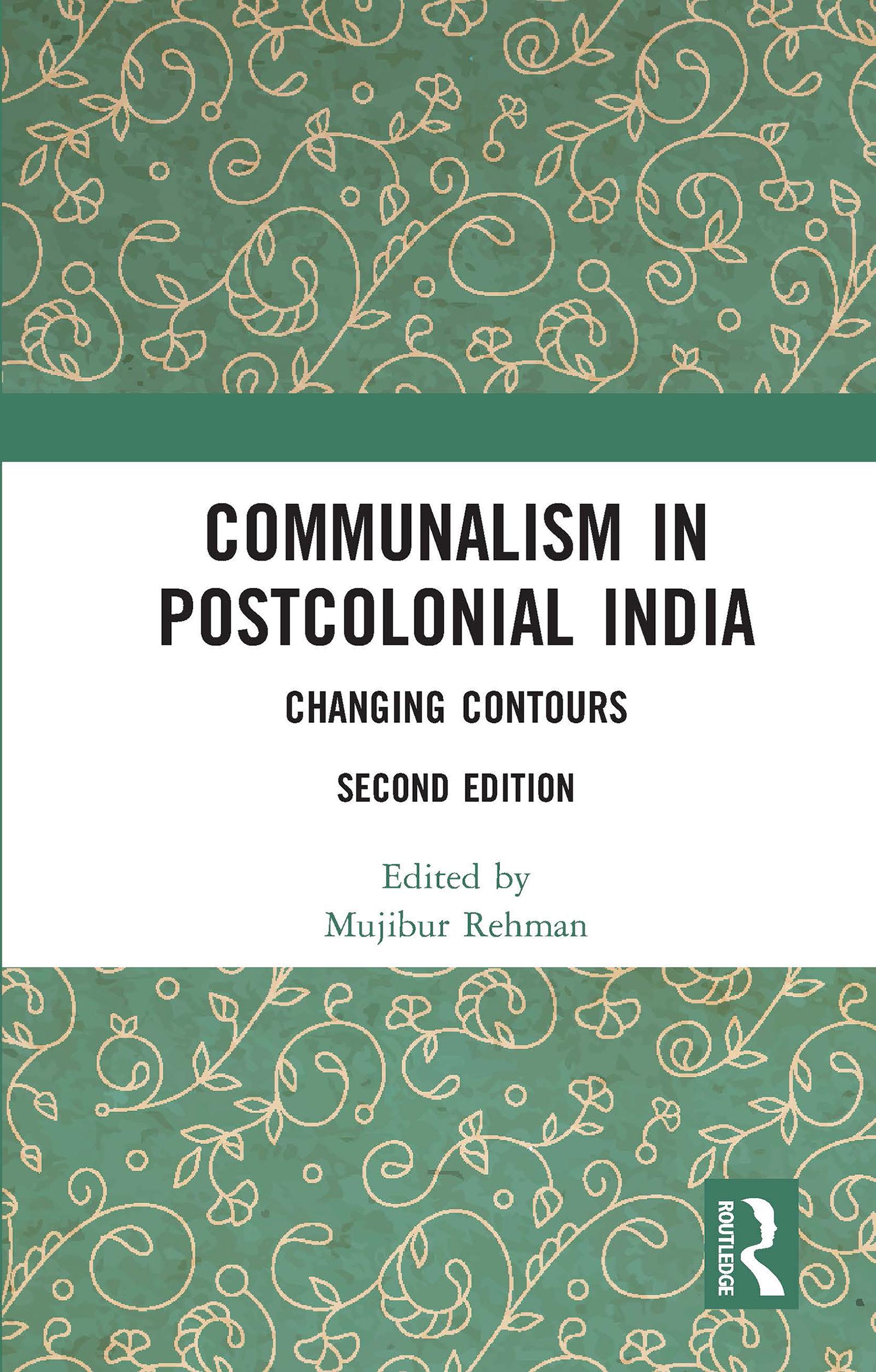
This book reconceptualises the idea of communalism in independent India. It locates the changing contours of politics and religion in the country from the colonial times to the present day, and makes an important intervention in understanding the relationship between communalism and communal violence. It evaluates the role of state, media, civil societies, political parties, and other actors in the process as well as ideas such as secularism, nationalism, minority rights and democracy. Using new conceptual tools and an interdisciplinary approach, the work challenges the conventional understanding of communalism as time and context independent.
This second edition includes a Foreword by Romila Thapar and an Afterword by Dipesh Chakrabarty, along with a new Introduction which revaluate the trajectory of communal politics in contemporary India, and question how secularism has come to be understood today. This topical volume will be useful to scholars and researchers in South Asian politics, political science, history, sociology and social anthropology, as well as the interested general reader.
Płać wygodnie kartą, Klarną, Apple Pay lub Google Pay. Nie jesteś zadowolony? Zawsze masz 14-dniową gwarancję zwrotu pieniędzy. Więcej przeczytasz w naszych warunkach. Masz pytania? Napisz do nas na hello@memmo.org.
Memmo ułatwia naukę – gdziekolwiek jesteś na świecie. U nas znajdziesz podręczniki i sprytne narzędzia do nauki w jednym miejscu: streszczenia, quizy, podcasty i fiszki. A do tego Ted, Twój kumpel do nauki, który odpowie na wszystko, co Cię nurtuje. Ponad 50 000 studentów już tu się uczy – stworzone, byś uczył się szybciej i mniej stresował.