
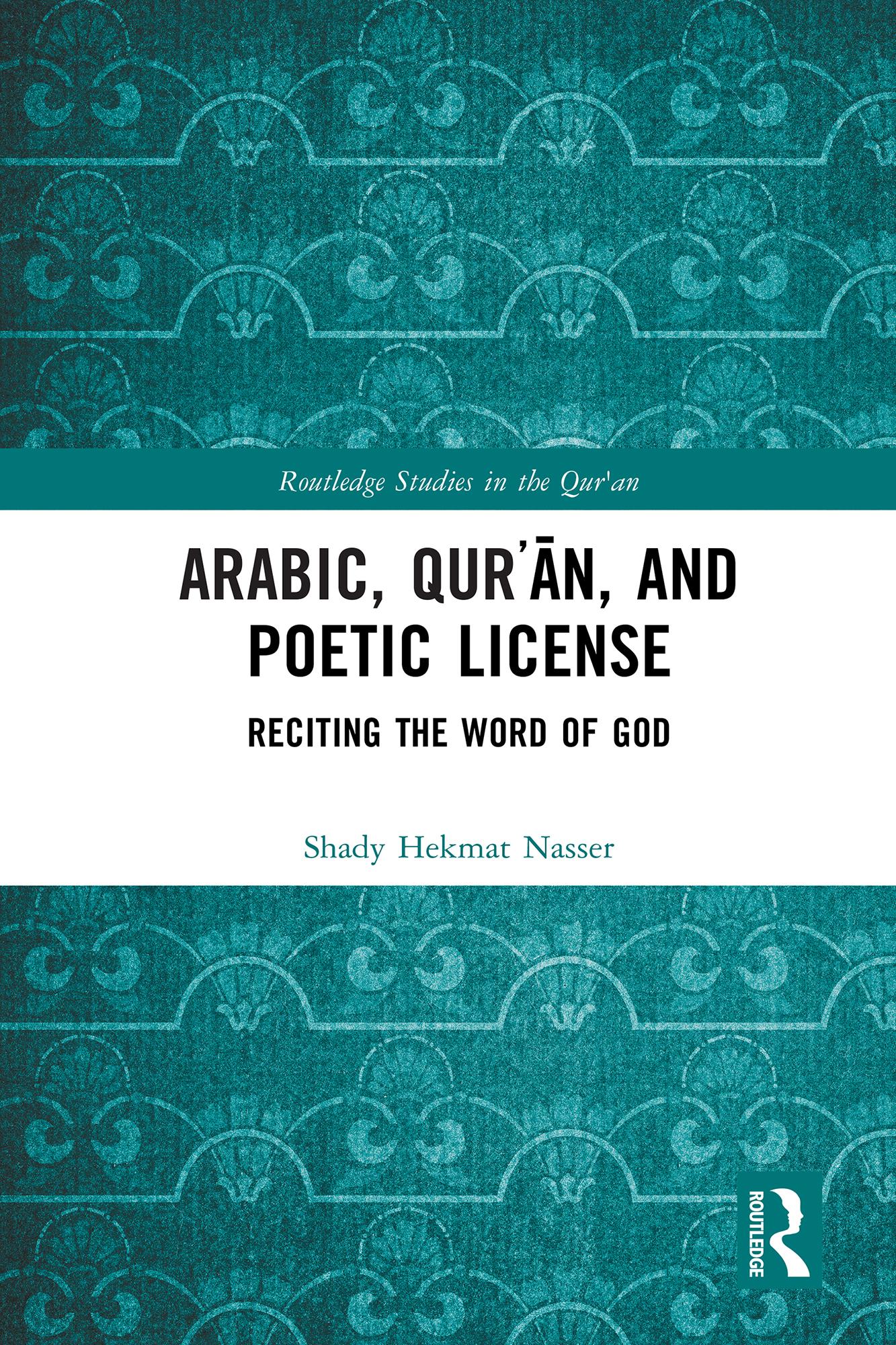
This book examines the similarities between the Qurʾān and ancient Arabic poetry, analyzed through the framework of Arabic grammar prior to their standardization and subsequent development into distinct genres.
Of central relevance is the relationship between the Qurʾān and Arabic poetry, and how Muslim scholars defined this relationship based on a formulaic structural approach rather than a thematic and motif-oriented one. The book aims to reposition the so-called non-standard usages of Arabic vernaculars, non-canonical readings of the Qurʾān, and unusual grammatical structures in ancient poetry at the heart of the Arabic-Islamic tradition. The book deals with different theological, legal, and social controversies regarding the proper recitation of the Qurʾān and its individuation from poetry and other verbal arts. For the first time, this study offers a comprehensive categorization of unusual grammatical structures in both the Qurʾān and ancient Arabic poetry, which Arab grammarians classified as poetic license. The close affinity between the linguistic styles of the Qurʾān and ancient Arabic poetry suggests that the Qurʾān was a form of ancient Arabic poetry. To individuate the Qurʾān, Muslim scholars put in place various theological and legal restrictions for its proper recitation, the most important of which was tajwīd (Qurʾānic recitation).
The book will interest students and scholars of Qurʾānic and Islamic studies, as well as those researching Arabic poetry and grammar.
Płać wygodnie kartą, Klarną, Apple Pay lub Google Pay. Nie jesteś zadowolony? Zawsze masz 14-dniową gwarancję zwrotu pieniędzy. Więcej przeczytasz w naszych warunkach. Masz pytania? Napisz do nas na hello@memmo.org.
Memmo ułatwia naukę – gdziekolwiek jesteś na świecie. U nas znajdziesz podręczniki i sprytne narzędzia do nauki w jednym miejscu: streszczenia, quizy, podcasty i fiszki. A do tego Ted, Twój kumpel do nauki, który odpowie na wszystko, co Cię nurtuje. Ponad 50 000 studentów już tu się uczy – stworzone, byś uczył się szybciej i mniej stresował.