
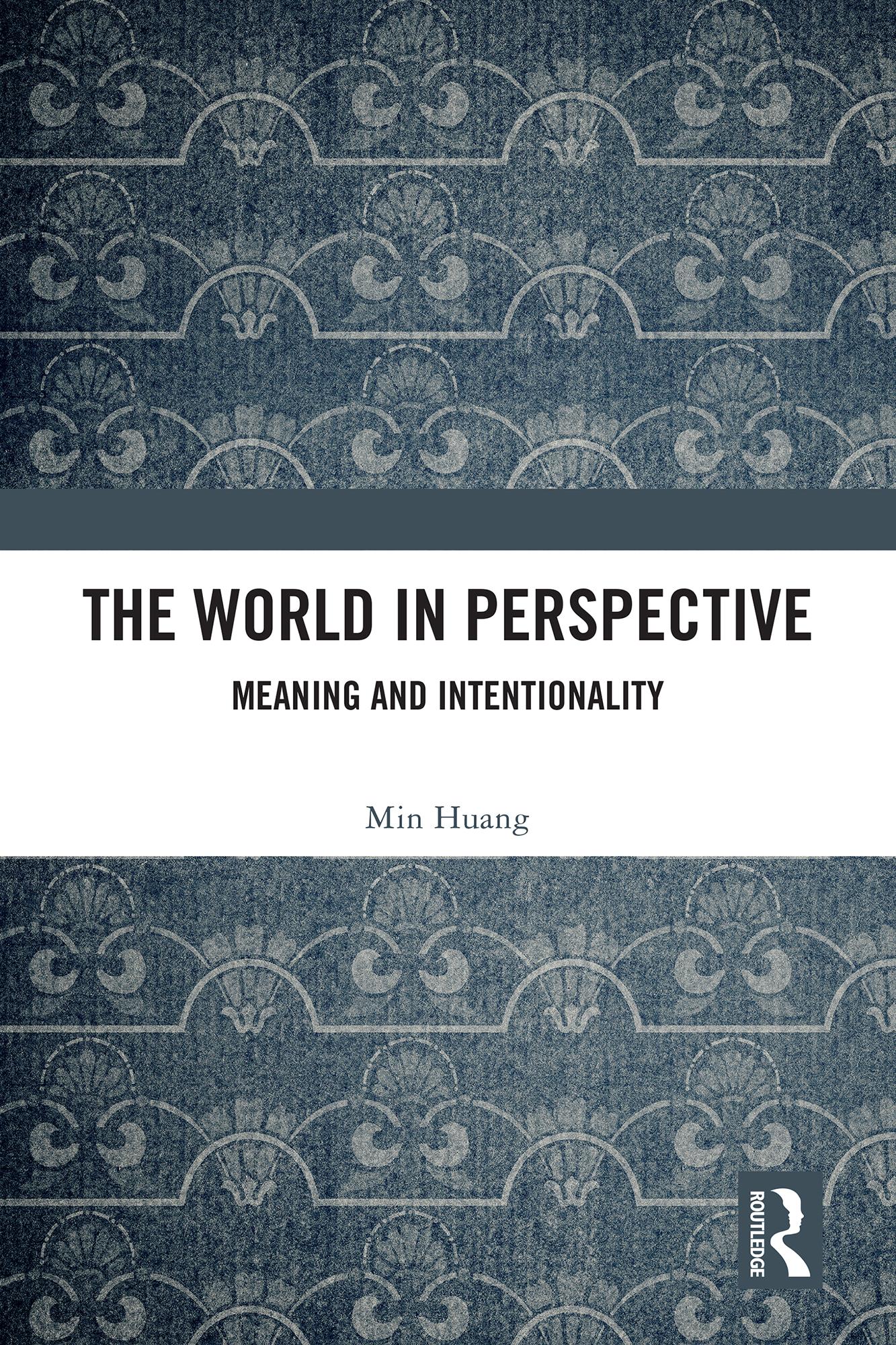
This book aims to reclaim the significance of meaning within the philosophical thinking that has evolved from Descartes and Locke through Kant, Husserl, and Frege, focusing on intentionality—the mind's directedness toward the reality.
The author opens with an epistemological account of analyticity and illustrates the central role of intentionality within it. A transcendentalist view on intentionality is then adopted, in contrast with the prevalent naturalist stance. Addressing key themes in the philosophy of language—truth, representation, propositions, predication, reference, and sense— the book presents a framework for a meaning–intentionality theory, which integrates key insights from Frege, Husserl, Wittgenstein, Dummett, and Davidson.
The book will appeal to scholars and graduate students of epistemology, philosophy of language, philosophy of mind, theory of meaning, and theory of intentionality.
Płać wygodnie kartą, Klarną, Apple Pay lub Google Pay. Nie jesteś zadowolony? Zawsze masz 14-dniową gwarancję zwrotu pieniędzy. Więcej przeczytasz w naszych warunkach. Masz pytania? Napisz do nas na hello@memmo.org.
Memmo ułatwia naukę – gdziekolwiek jesteś na świecie. U nas znajdziesz podręczniki i sprytne narzędzia do nauki w jednym miejscu: streszczenia, quizy, podcasty i fiszki. A do tego Ted, Twój kumpel do nauki, który odpowie na wszystko, co Cię nurtuje. Ponad 50 000 studentów już tu się uczy – stworzone, byś uczył się szybciej i mniej stresował.