
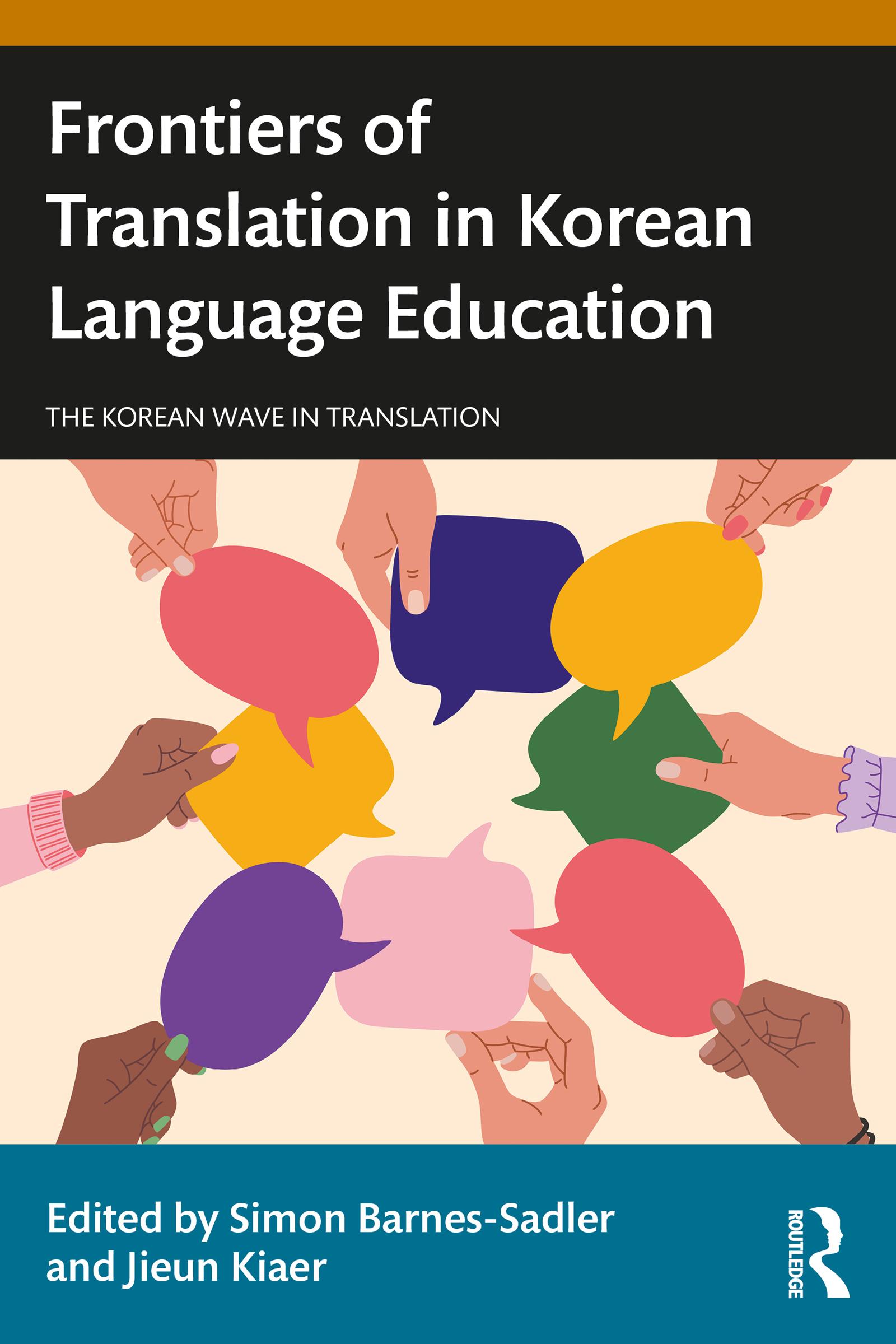
Frontiers of Translation in Korean Language Education makes the case for the continuing relevance of translation in Korean as a Foreign Language (KFL) education.
This book presents practical case studies of developing and implementing translation in KFL on scales ranging from extended programs – for example, the integration of a translation and interpreting internship program which responds to local community needs into the higher education curriculum – to single activities such as the comparison of English to Korean literary translations of the same source text to improve linguistic and cultural awareness.
More theoretically-oriented works on the relationship of translation in KFL with fast-developing translation technology, the language of South Korean mass media, and the social processes of globalisation, are included alongside practical contributions. The substantive contributions are bookended by an introduction and conclusion, which provide overviews of the history and current disposition of translation in KFL and a prospectus for its future, respectively.
Drawing on the work of researchers and practitioners based in higher education institutions across North America, Europe, and South Korea, both the practical and theoretical strands included in this collection come together to provide a well-rounded account of the most recent developments in Korean-language pedagogy, which will appeal to language teachers, particularly Korean language teachers, and the institutions that employ and train them.
Płać wygodnie kartą, Klarną, Apple Pay lub Google Pay. Nie jesteś zadowolony? Zawsze masz 14-dniową gwarancję zwrotu pieniędzy. Więcej przeczytasz w naszych warunkach. Masz pytania? Napisz do nas na hello@memmo.org.
Memmo ułatwia naukę – gdziekolwiek jesteś na świecie. U nas znajdziesz podręczniki i sprytne narzędzia do nauki w jednym miejscu: streszczenia, quizy, podcasty i fiszki. A do tego Ted, Twój kumpel do nauki, który odpowie na wszystko, co Cię nurtuje. Ponad 50 000 studentów już tu się uczy – stworzone, byś uczył się szybciej i mniej stresował.