
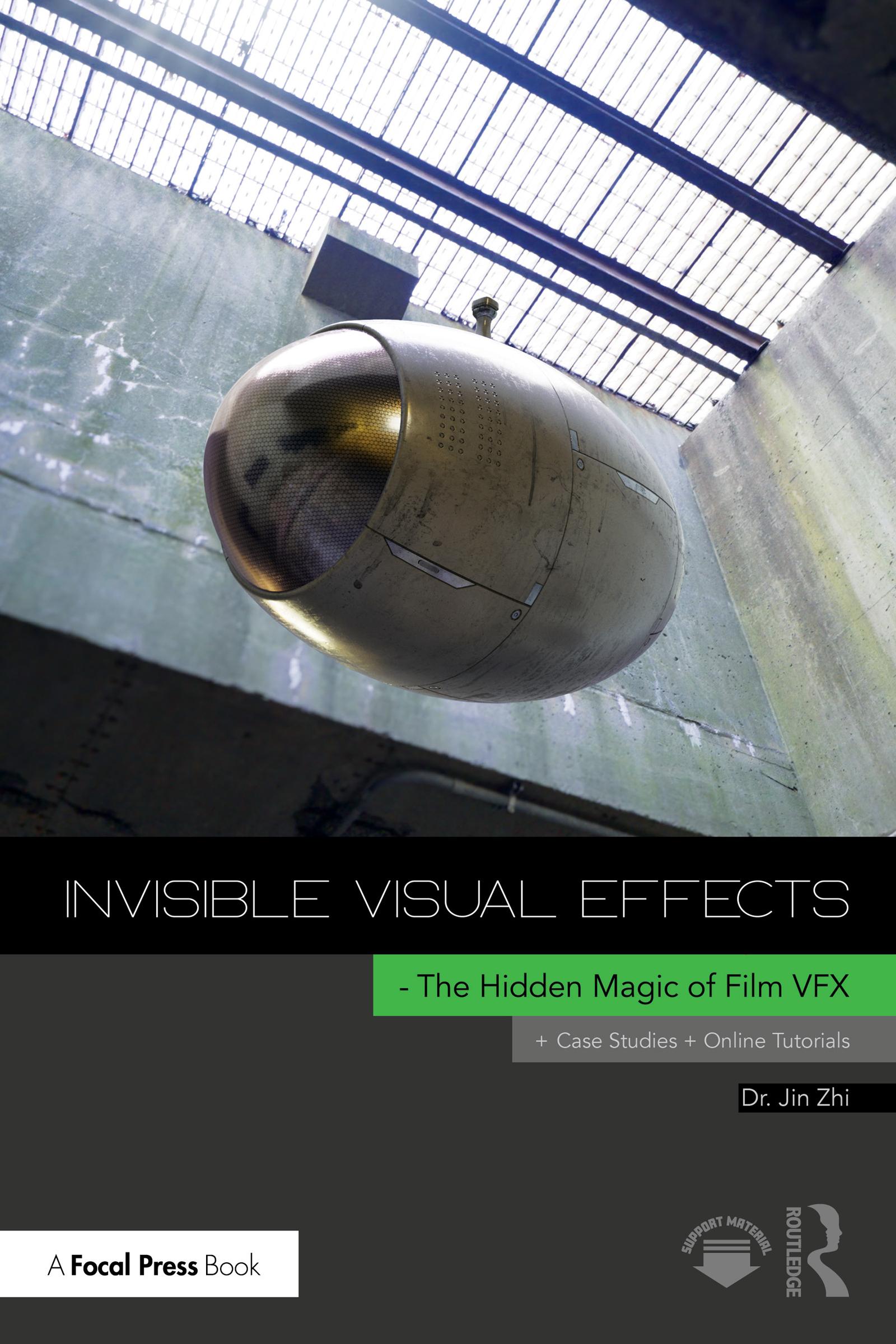
This book offers a systematic introduction to essential visual effects (VFX) production, addressing both the internal operations of VFX studios and the external collaborations between facilities. It is designed to equip readers with a solid understanding of production pipelines, workflows, and industry standards, enabling them to apply this knowledge to personal projects, professional development, and job applications. With its alignment to university-level teaching standards, the book also serves as a practical textbook for VFX courses at various academic levels.
Structured across six chapters, the book covers a wide range of topics from professional terminology and project collaboration to operating platforms, software tools, and the structure of production workflows. It also includes the author’s perspective on recent technological advancements in the creative industries, such as AI integration and virtual production, addressing common concerns about how these changes may impact learning and career development.
To support applied learning, the book includes hands-on exercises tied to real-world projects and features eight detailed case studies. Each case study is accompanied by pre-recorded demonstration videos, designed to bridge theoretical knowledge with practical execution through a clear, step-by-step progression. The final chapter offers professional advice on building VFX demo reels for entry-level roles, helping readers craft compelling portfolios and strengthen their career prospects.
Płać wygodnie kartą, Klarną, Apple Pay lub Google Pay. Nie jesteś zadowolony? Zawsze masz 14-dniową gwarancję zwrotu pieniędzy. Więcej przeczytasz w naszych warunkach. Masz pytania? Napisz do nas na hello@memmo.org.
Memmo ułatwia naukę – gdziekolwiek jesteś na świecie. U nas znajdziesz podręczniki i sprytne narzędzia do nauki w jednym miejscu: streszczenia, quizy, podcasty i fiszki. A do tego Ted, Twój kumpel do nauki, który odpowie na wszystko, co Cię nurtuje. Ponad 50 000 studentów już tu się uczy – stworzone, byś uczył się szybciej i mniej stresował.