
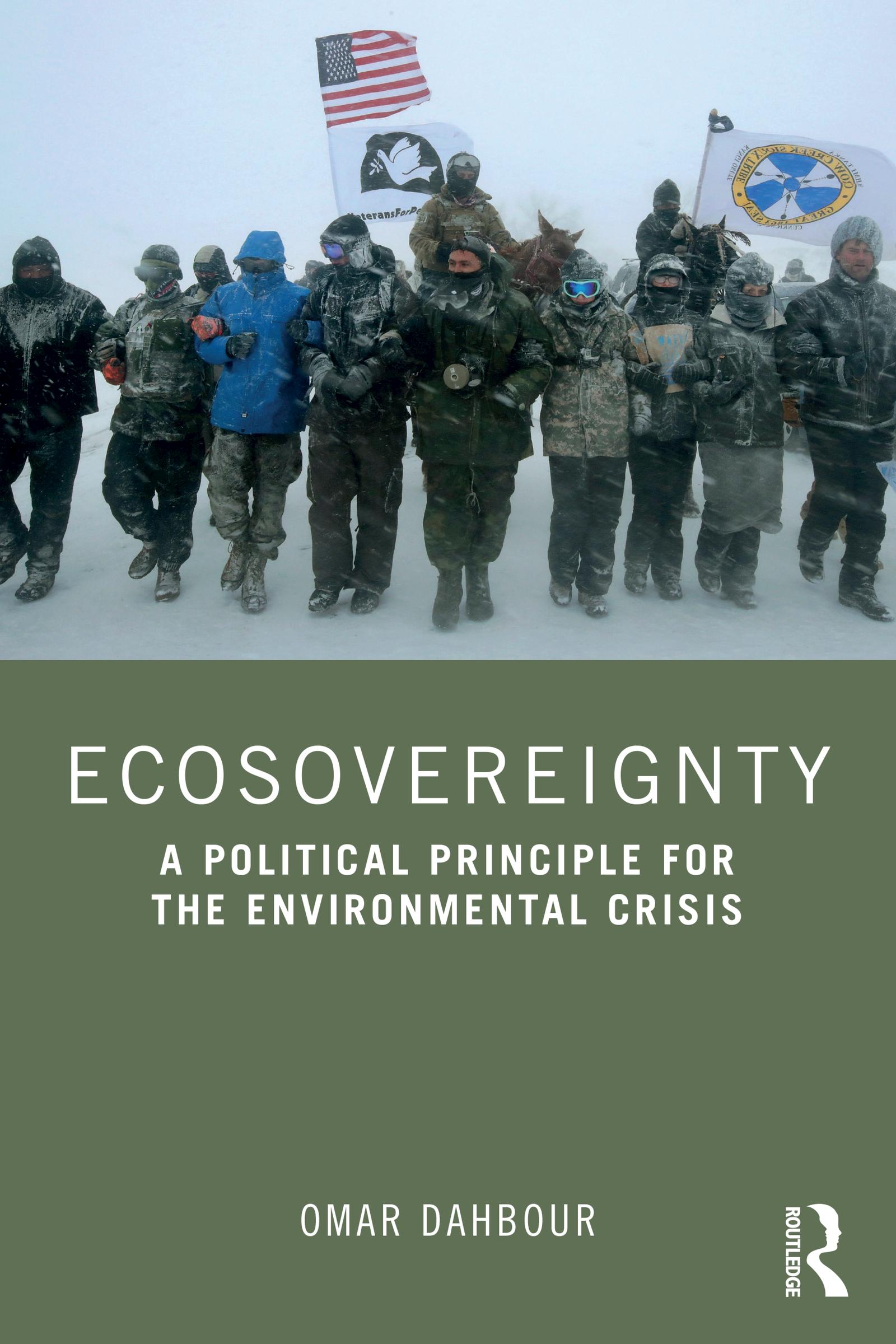
In this book, Omar Dahbour develops the idea of ecosystem sovereignty, calling for a reinterpretation of some essential concepts in political philosophy, including territoriality, self-determination, peoplehood, and sovereignty, in order to make the case for peoples’ rights to protect and maintain their natural environments. In doing so, he theorizes current and historical struggles against resource extractions and land grabs, especially by food sovereignty and indigenous rights movements.
The basic idea of ecosovereignty is that peoples living in relation to particular ecosystems have a collective right to ultimate authority over those systems and the resources they contain—provided they manage them sustainably. Dahbour argues that this authority has a legitimacy that overrides that of larger states, at least with regard to matters of environmental management. Ecosovereignty claims may strengthen challenges by peoples to states and corporations seeking to control and transform lands and waters for development, against the wishes of their inhabitants. Dahbour hopes the idea will provide a powerful tool for halting extractivism and ecocide, along with the extreme violence that these processes use against farming, indigenous peoples, and nature.
Connecting political and environmental philosophy in an innovative way, Ecosovereignty: A Political Principle for the Environmental Crisis will keep scholars and students informed about an increasingly important topic.
Płać wygodnie kartą, Klarną, Apple Pay lub Google Pay. Nie jesteś zadowolony? Zawsze masz 14-dniową gwarancję zwrotu pieniędzy. Więcej przeczytasz w naszych warunkach. Masz pytania? Napisz do nas na hello@memmo.org.
Memmo ułatwia naukę – gdziekolwiek jesteś na świecie. U nas znajdziesz podręczniki i sprytne narzędzia do nauki w jednym miejscu: streszczenia, quizy, podcasty i fiszki. A do tego Ted, Twój kumpel do nauki, który odpowie na wszystko, co Cię nurtuje. Ponad 50 000 studentów już tu się uczy – stworzone, byś uczył się szybciej i mniej stresował.