
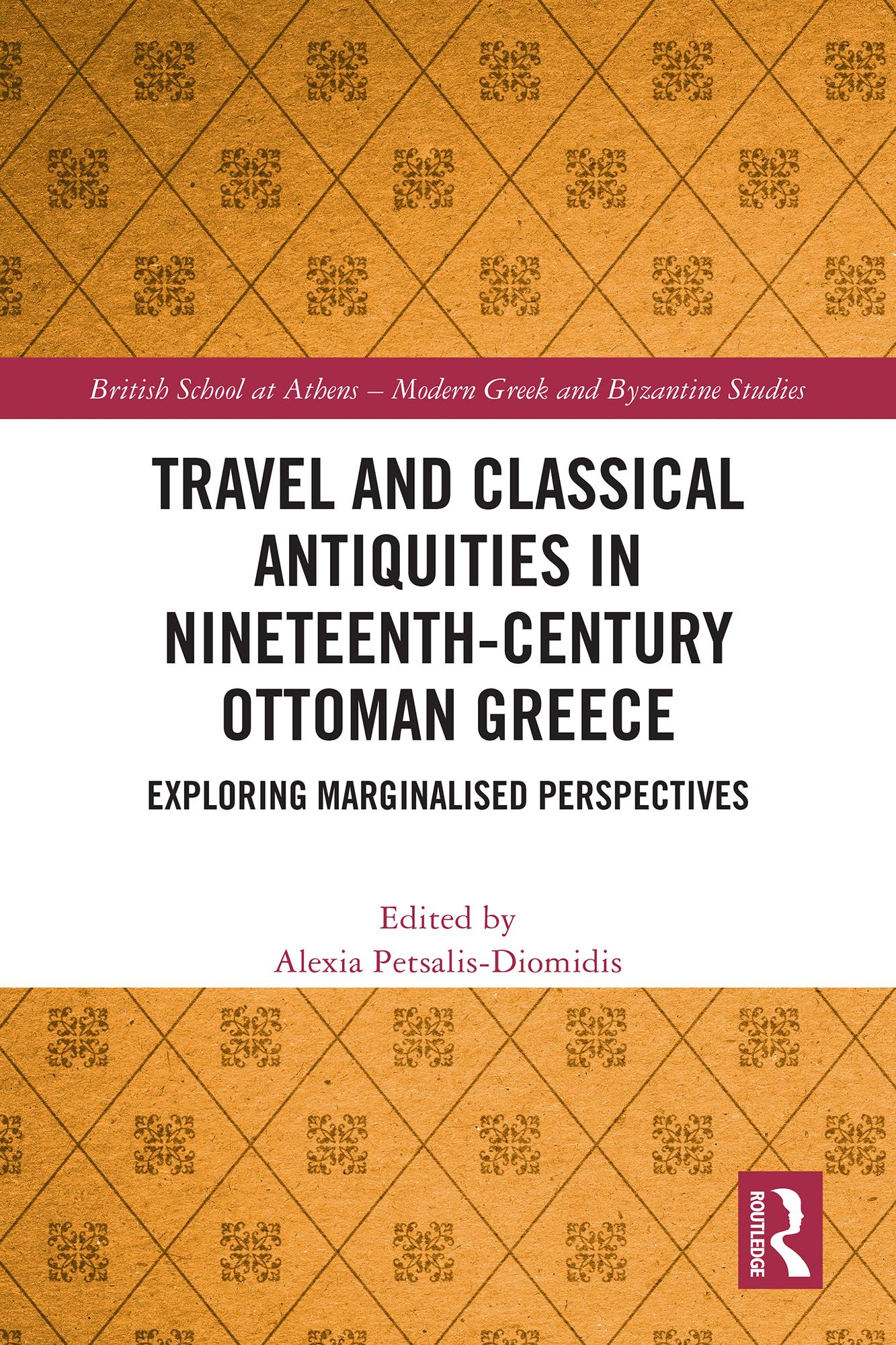
Western travel and collecting classical antiquities in the nineteenth century informed European understandings of Greece's past and present, and enriched private collections and museums. Travel and collecting have typically been studied separately by literary scholars, historians of archaeology, and historians of the Ottoman Empire and modern Greece. Similarly, publications have largely prioritised evidence from and about elite social groups.
This book breaks new ground through its interdisciplinary approach, its insistence on the interweaving of the phenomena of travel and collecting, and its emphasis on marginalised perspectives. Contributors drawn from art history, classics, history of architecture, Ottoman history and modern Greek history foreground diversity and small-scale engagements with the landscape and material past of Ottoman Greece. The book explores the perspectives of both foreign travellers and local inhabitants through case studies, keeping a sharp focus on ethnicity and social status. Diaries, visual art, and rich archival material are analysed, often from a novel perspective, to give voice to a range of people including English servants, Albanian peasants, an illiterate Greek fighter, and the Ottoman Sultan. The result is a micro-cultural history of travel and classical collecting which expands existing narratives. As such, it changes the simplistic dichotomy between collecting as ‘pillaging’ or ‘saving’, and nuances the important current debate surrounding repatriation.
Travel and Classical Antiquities in Nineteenth-Century Ottoman Greece addresses scholars in the areas of classical reception studies, classical archaeology, material culture studies, nineteenth-century studies, Ottoman studies and modern Greek studies. It will also appeal to a broader audience of people interested in travel writing, the history of archaeology and the history of Greece.
Płać wygodnie kartą, Klarną, Apple Pay lub Google Pay. Nie jesteś zadowolony? Zawsze masz 14-dniową gwarancję zwrotu pieniędzy. Więcej przeczytasz w naszych warunkach. Masz pytania? Napisz do nas na hello@memmo.org.
Memmo ułatwia naukę – gdziekolwiek jesteś na świecie. U nas znajdziesz podręczniki i sprytne narzędzia do nauki w jednym miejscu: streszczenia, quizy, podcasty i fiszki. A do tego Ted, Twój kumpel do nauki, który odpowie na wszystko, co Cię nurtuje. Ponad 50 000 studentów już tu się uczy – stworzone, byś uczył się szybciej i mniej stresował.