
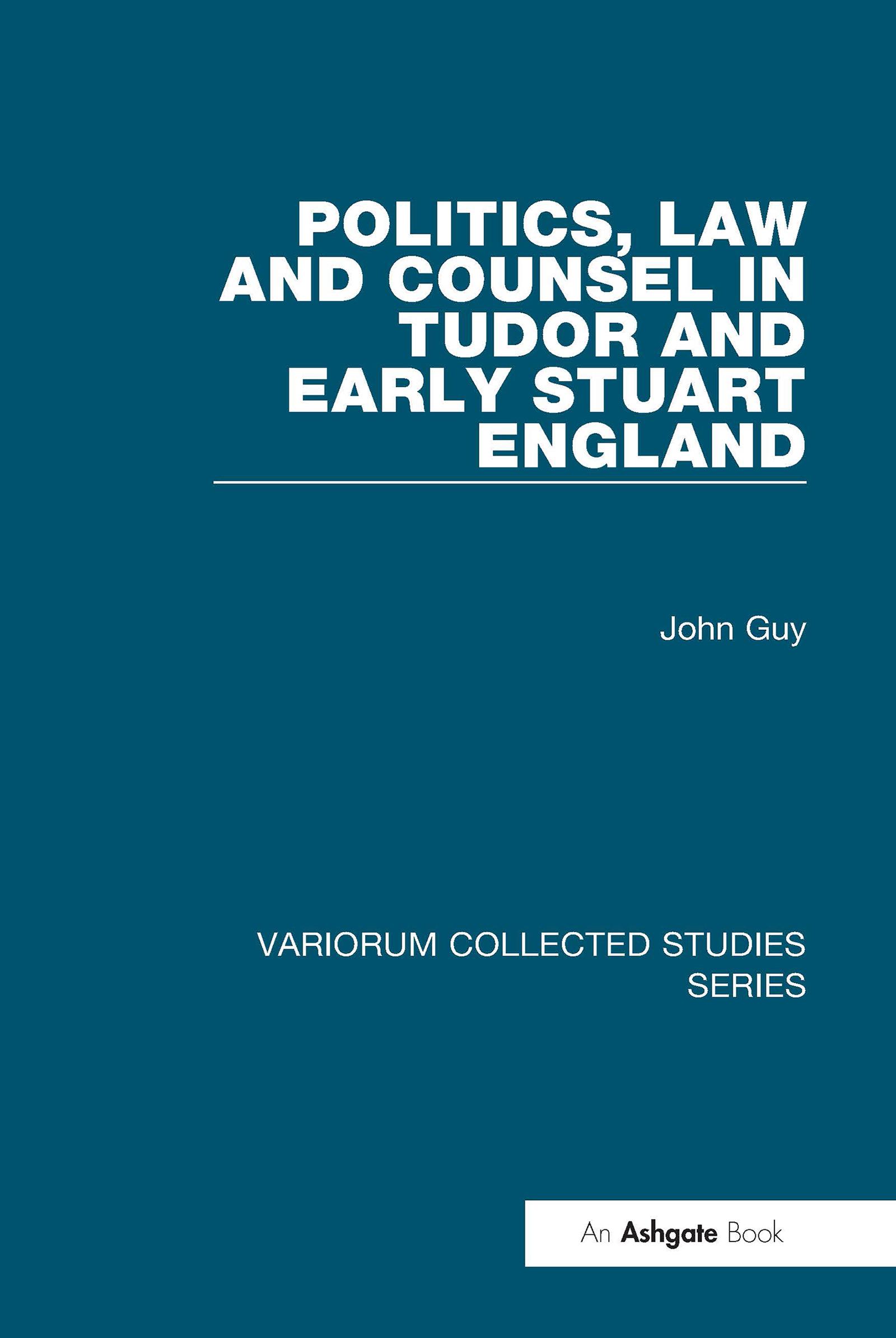
This book investigates the norms and values of Tudor and early-Stuart politics, which are considered in the contexts of law and the Reformation, legal and administrative institutions, and classical and legal humanism. Main themes include 'imperial' monarchy and the theory of 'counsel', Parliament and the royal supremacy, conciliar politics and organization, the relationship of law and equity, and the jurisdictional rivalry between the courts of common law and canon law. The author argues that norms of Tudor England were sufficiently pluralist to satisfy both 'absolutist' and 'constitutionalist' aspirations, whereas by 1628 they proved no longer effective as a mechanism for the orderly conduct of politics. The clash between two conflicting sets of values was translated into a clash of ideologies.
Płać wygodnie kartą, Klarną, Apple Pay lub Google Pay. Nie jesteś zadowolony? Zawsze masz 14-dniową gwarancję zwrotu pieniędzy. Więcej przeczytasz w naszych warunkach. Masz pytania? Napisz do nas na hello@memmo.org.
Memmo ułatwia naukę – gdziekolwiek jesteś na świecie. U nas znajdziesz podręczniki i sprytne narzędzia do nauki w jednym miejscu: streszczenia, quizy, podcasty i fiszki. A do tego Ted, Twój kumpel do nauki, który odpowie na wszystko, co Cię nurtuje. Ponad 50 000 studentów już tu się uczy – stworzone, byś uczył się szybciej i mniej stresował.
Może Ci się spodobać
Kup książkę0