
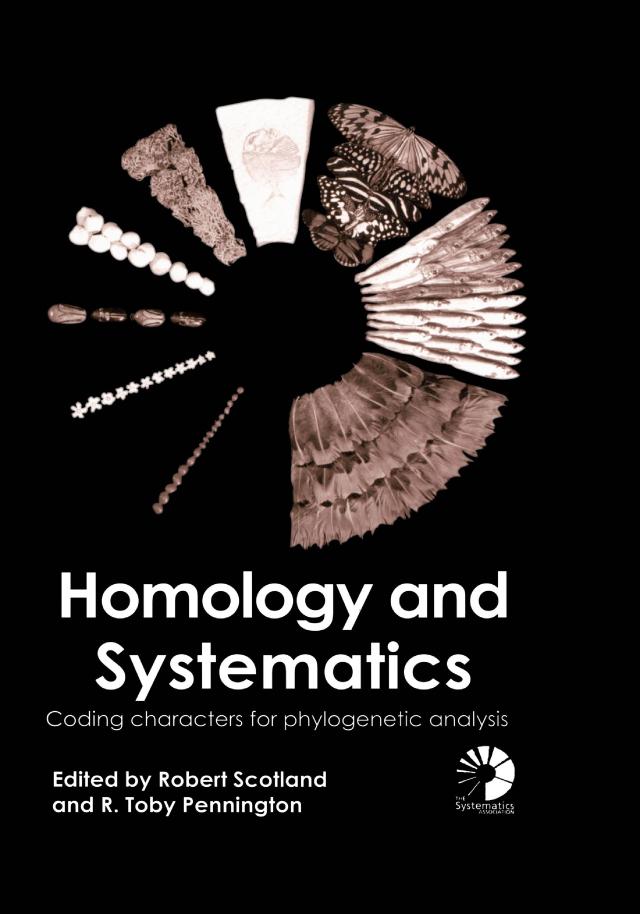
When looking at groups of organisms, shared characteristics (homologues) provide the raw data from which hypotheses of common ancestry may be suggested. In order to explore the relationship between homologues and particular hypotheses of common ancestry, complex matrices are devised, where homologues are coded, allowing theories of homology to be developed and tested. Practically nothing has been written about this matrix-building process, which is fundamental to our understanding of diversity and evolutionary history. This book fills the gap by discussing the ways observations are coded and the consequences for resulting hypotheses using case studies and theoretical examples.
Płać wygodnie kartą, Klarną, Apple Pay lub Google Pay. Nie jesteś zadowolony? Zawsze masz 14-dniową gwarancję zwrotu pieniędzy. Więcej przeczytasz w naszych warunkach. Masz pytania? Napisz do nas na hello@memmo.org.
Memmo ułatwia naukę – gdziekolwiek jesteś na świecie. U nas znajdziesz podręczniki i sprytne narzędzia do nauki w jednym miejscu: streszczenia, quizy, podcasty i fiszki. A do tego Ted, Twój kumpel do nauki, który odpowie na wszystko, co Cię nurtuje. Ponad 50 000 studentów już tu się uczy – stworzone, byś uczył się szybciej i mniej stresował.
Może Ci się spodobać
Kup książkę0