
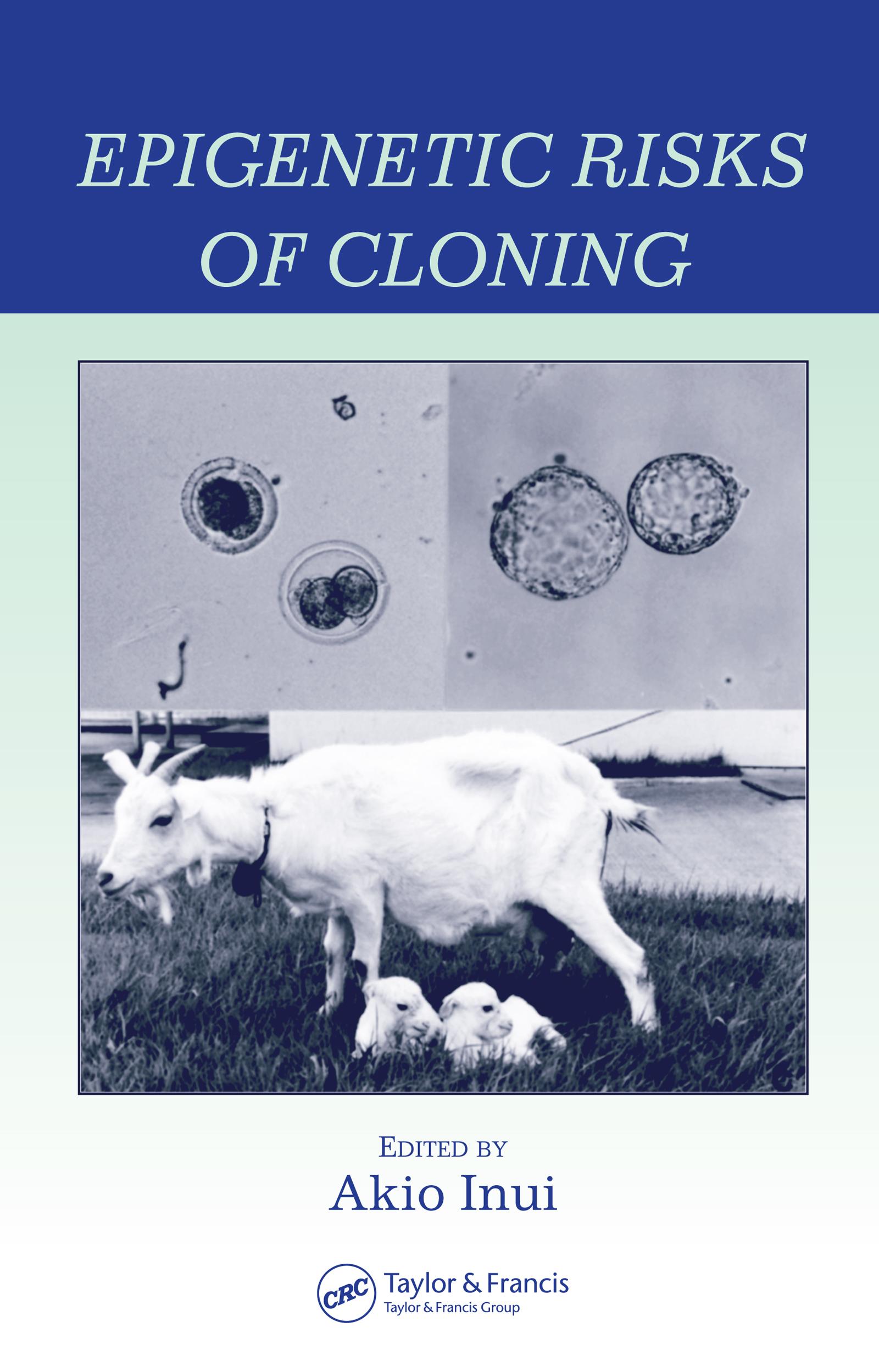
Cloning has the potential to be an extremely valuable tool across many fields. In agriculture, the reproductive cloning of farm animals could prove to be advantageous. In clinical medicine, the employment of therapeutic cloning for cell, tissue, and organ replacement appears to be imminent. In Epigenetic Risks of Cloning, 32 leading researchers detail the cloning methods being employed with various animal models, providing both a review of current findings and a discussion of potential concerns. Less than four percent of reconstructed embryos typically develop to adulthood, the cumulative result of inefficiencies occurring at every stage of development. This book considers the very real consequences of those inefficiencies: high rates of fetal, perinatal, and neonatal loss, as well as the production of abnormal offspring. At present, there is a legitimate concern that the propensity for epigenetic errors could be paralleled in human embryos.
Płać wygodnie kartą, Klarną, Apple Pay lub Google Pay. Nie jesteś zadowolony? Zawsze masz 14-dniową gwarancję zwrotu pieniędzy. Więcej przeczytasz w naszych warunkach. Masz pytania? Napisz do nas na hello@memmo.org.
Memmo ułatwia naukę – gdziekolwiek jesteś na świecie. U nas znajdziesz podręczniki i sprytne narzędzia do nauki w jednym miejscu: streszczenia, quizy, podcasty i fiszki. A do tego Ted, Twój kumpel do nauki, który odpowie na wszystko, co Cię nurtuje. Ponad 50 000 studentów już tu się uczy – stworzone, byś uczył się szybciej i mniej stresował.
Może Ci się spodobać
Kup książkę0