
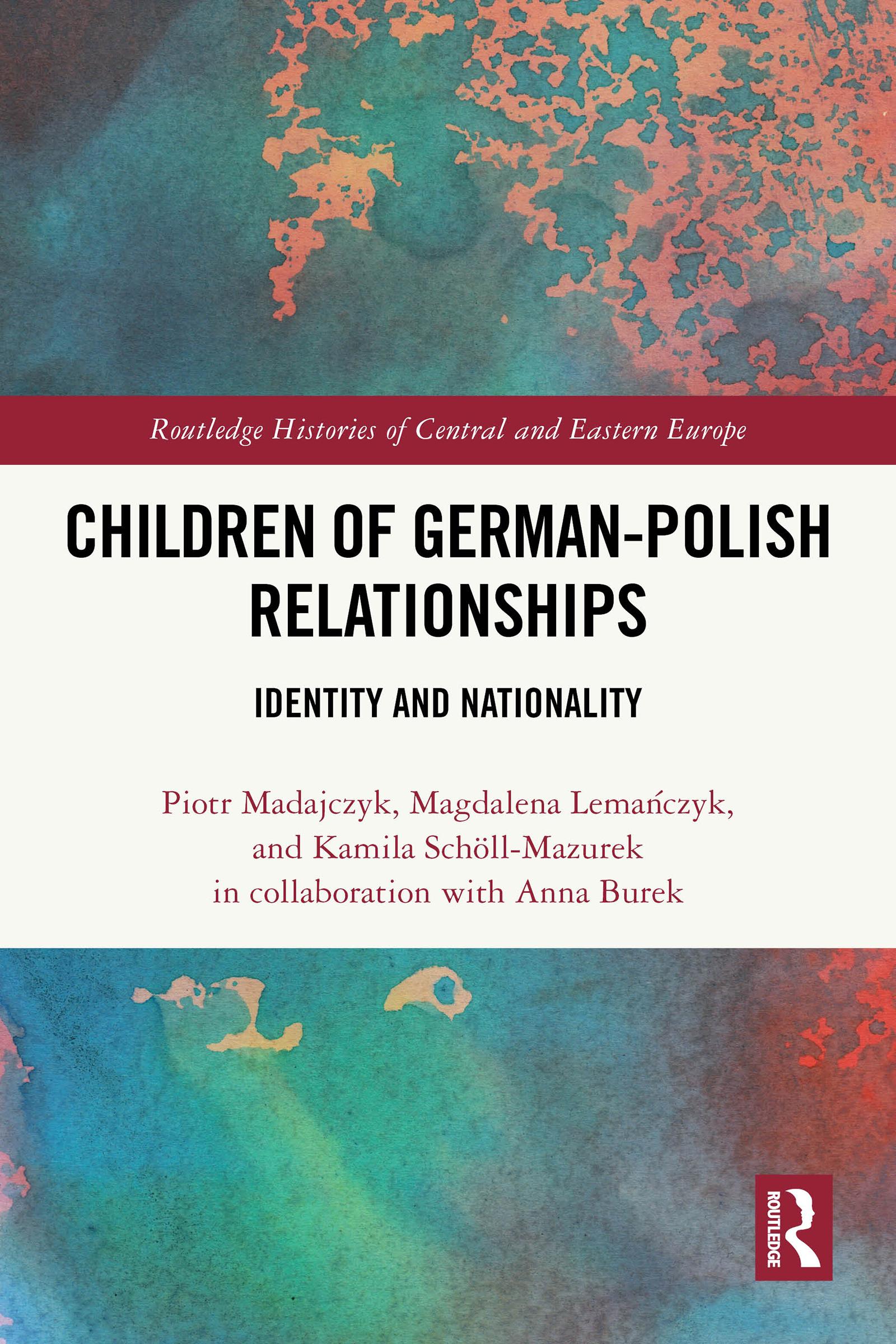
This book analyzes the process of national identity formation and identification of children born into formal and informal Polish-German relationships in Poland and Germany, and how that process is impacted by their upbringing at the intersection of two cultures.
The sociological-historical approach explores a wide range of processes in interethnic couples related to the case at hand, such as migration, acculturation, and assimilation, as well as integration and increased participation in the structures of the host country, ties with the country of origin, generational changes and decreasing knowledge of the native tongue, and developments affecting mixed partnerships and their children. Taking an original approach to its focus on the long-term relationships between bilingualism and biculturalism and their impact on national identity and identification, the book considers the future and significance of binational and interethnic families and their children in the European integration process and European identity.
This volume will appeal to sociologists, historians, political scientists, anthropologists, and linguists, and especially to students and scholars interested in the relations between national, linguistic, and political matters.
Płać wygodnie kartą, Klarną, Apple Pay lub Google Pay. Nie jesteś zadowolony? Zawsze masz 14-dniową gwarancję zwrotu pieniędzy. Więcej przeczytasz w naszych warunkach. Masz pytania? Napisz do nas na hello@memmo.org.
Memmo ułatwia naukę – gdziekolwiek jesteś na świecie. U nas znajdziesz podręczniki i sprytne narzędzia do nauki w jednym miejscu: streszczenia, quizy, podcasty i fiszki. A do tego Ted, Twój kumpel do nauki, który odpowie na wszystko, co Cię nurtuje. Ponad 50 000 studentów już tu się uczy – stworzone, byś uczył się szybciej i mniej stresował.