
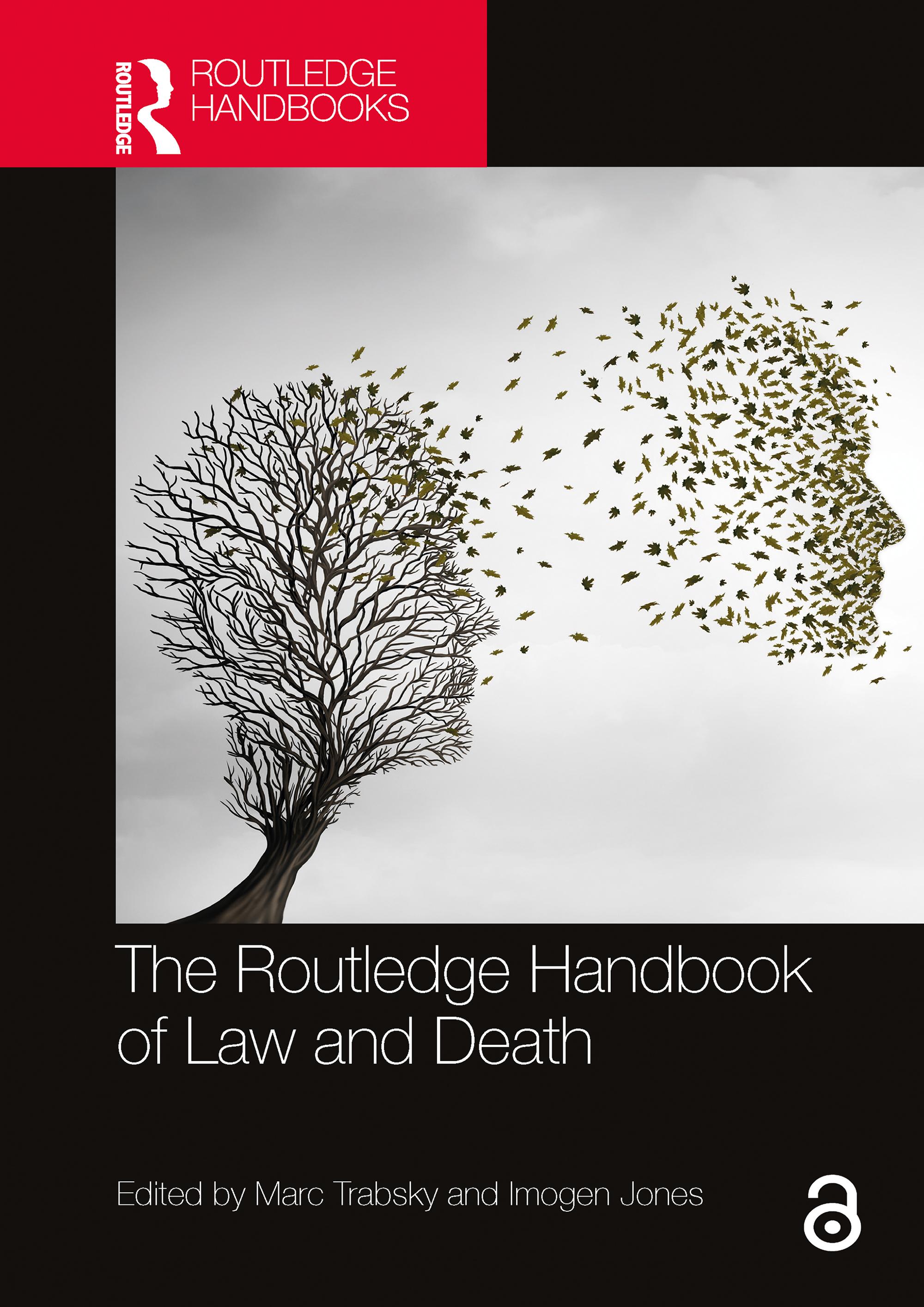
The Routledge Handbook of Law and Death provides a comprehensive survey of contemporary scholarship on the intersections of law and death in the 21st century.
It showcases how socio-legal scholars have contributed to the critical turn in death studies and how the sociology of death has impacted upon the discipline of law. In bringing together prominent academics and emerging experts from a diverse range of disciplines, the Handbook shows how, far from shunning questions of mortality, legal institutions incessantly talk about death. Touching upon the epistemologies and materialities of death, and problems of contested deaths and posthumous harms, the Handbook questions what is distinctive about the disciplinary alignment of law and death, how law regulates and manages death in the everyday, and how thinking with law can enrich our understandings of the presence of death in our lives.
In a time when the world is facing global inequalities in living and dying, and legal institutions are increasingly interrogating their relationships to death, this Handbook makes for essential reading for scholars, students, and practitioners in law, humanities, and the social sciences.
The Open Access version of Chapter 19, available at www.taylorfrancis.com, has been made available under a Creative Commons Attribution (CC-BY) 4.0 International license.
Płać wygodnie kartą, Klarną, Apple Pay lub Google Pay. Nie jesteś zadowolony? Zawsze masz 14-dniową gwarancję zwrotu pieniędzy. Więcej przeczytasz w naszych warunkach. Masz pytania? Napisz do nas na hello@memmo.org.
Memmo ułatwia naukę – gdziekolwiek jesteś na świecie. U nas znajdziesz podręczniki i sprytne narzędzia do nauki w jednym miejscu: streszczenia, quizy, podcasty i fiszki. A do tego Ted, Twój kumpel do nauki, który odpowie na wszystko, co Cię nurtuje. Ponad 50 000 studentów już tu się uczy – stworzone, byś uczył się szybciej i mniej stresował.