
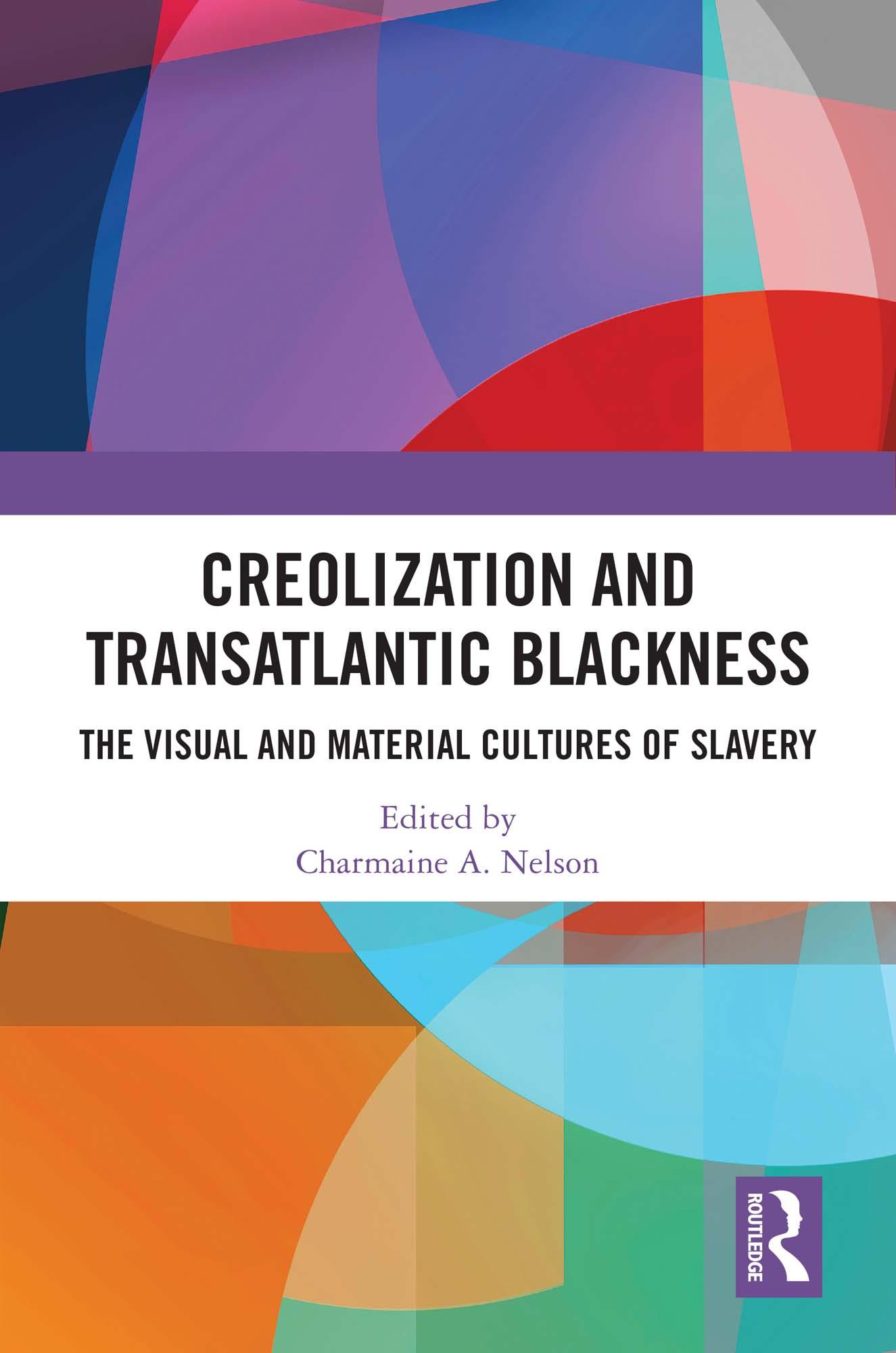
Departing from more conscribed definitions, this book argues for an expansion of the concept of ‘Creolization’ in terms of duration, temporality, population, and importantly, in regional scope, which also impact climate and the practices of slavery that are typically included and excluded from consideration.
Eschewing the normative focus on language and music, the authors instead center art and visual, and material cultures, as both outcomes and practices, in their explorations to consider the ways that cultural production in the period of slavery and its aftermath was irrevocably impacted by the collision of races and cultures in the Americas. The chapters probe how creolization unfolded for differently constituted individuals and populations, as well as how it came to be articulated both in the historical moments of its enactment and its retroactive cultural representations and production. In so doing, they seek to both expand the terrain (literally and figuratively) of the definition of creolization and to turn towards an examination of its relevance for art and visual, and material cultures of the Transatlantic world.
The chapters in this book were originally published in African and Black Diaspora: An International Journal.
Płać wygodnie kartą, Klarną, Apple Pay lub Google Pay. Nie jesteś zadowolony? Zawsze masz 14-dniową gwarancję zwrotu pieniędzy. Więcej przeczytasz w naszych warunkach. Masz pytania? Napisz do nas na hello@memmo.org.
Memmo ułatwia naukę – gdziekolwiek jesteś na świecie. U nas znajdziesz podręczniki i sprytne narzędzia do nauki w jednym miejscu: streszczenia, quizy, podcasty i fiszki. A do tego Ted, Twój kumpel do nauki, który odpowie na wszystko, co Cię nurtuje. Ponad 50 000 studentów już tu się uczy – stworzone, byś uczył się szybciej i mniej stresował.