
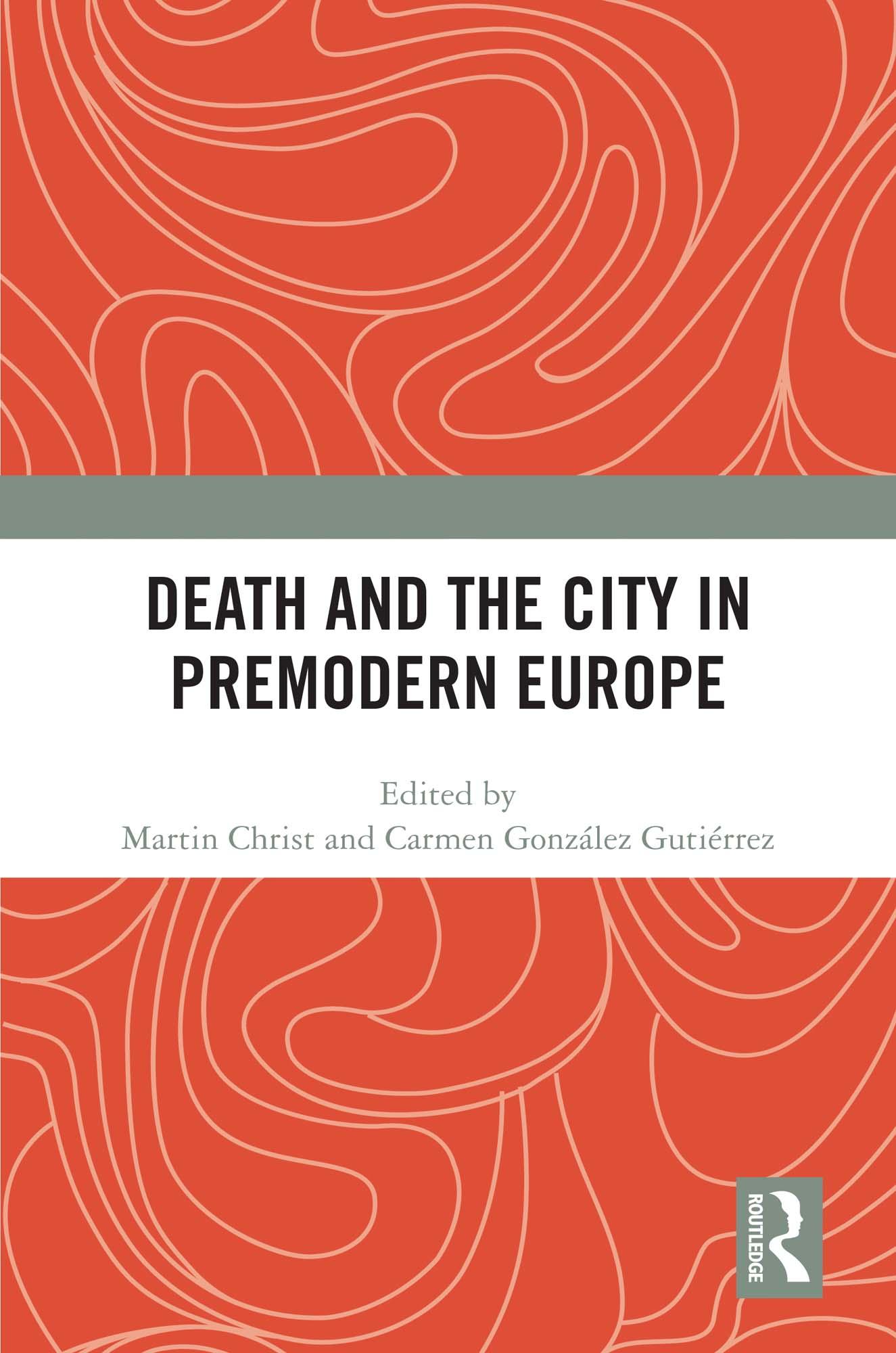
Through a range of case studies, this book traces how death shaped cities, and vice versa. It argues that by focusing on death and the city, we can open up new avenues of research into religious, political and cultural change.
Dying in a city was significantly different from dying in a village or the countryside. Cities and towns were centres of commerce and learning, shaping discourses on death. The importance of urban centres meant that events had a large audience there, for example when people were executed. Urban diversity led to a wide variety of deathways, which also had to be regulated by urban magistrates. The placement of dead bodies and the urban arrangement of cemeteries were related to the high population density in towns, urban hygiene and religious changes, such as the Reformation. The fact that many cities were seats of power had a direct impact on the design of necropolises and the performance of funerary rituals. It was also in urban centres that religious, ethnic and cultural diversity tended to be more pronounced, leading to compromise and conflict when it came to burials and commemoration. Considering death and the city can therefore help us understand much broader processes of dying, urbanity and change over time.
This book is essential reading for all students and academics of death in the premodern period. The chapters in this book were originally published as a special issue of Mortality.
Płać wygodnie kartą, Klarną, Apple Pay lub Google Pay. Nie jesteś zadowolony? Zawsze masz 14-dniową gwarancję zwrotu pieniędzy. Więcej przeczytasz w naszych warunkach. Masz pytania? Napisz do nas na hello@memmo.org.
Memmo ułatwia naukę – gdziekolwiek jesteś na świecie. U nas znajdziesz podręczniki i sprytne narzędzia do nauki w jednym miejscu: streszczenia, quizy, podcasty i fiszki. A do tego Ted, Twój kumpel do nauki, który odpowie na wszystko, co Cię nurtuje. Ponad 50 000 studentów już tu się uczy – stworzone, byś uczył się szybciej i mniej stresował.