
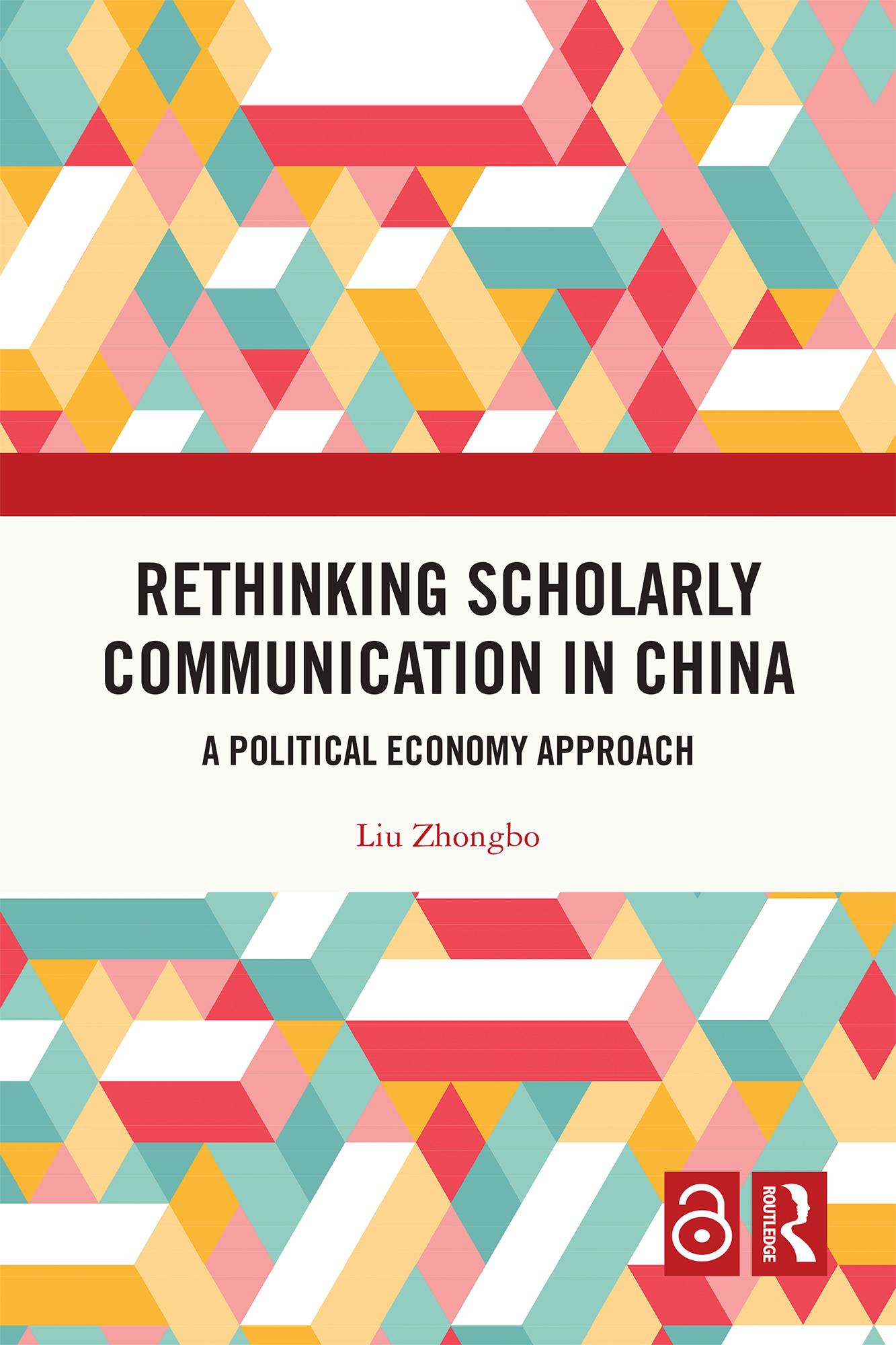
This book examines science and technology policies in China over time and explores the development of scholarly communication through the lens of the political economy of communication.
Despite political censorship and restrictions on the production of academic knowledge in China, the number of scholarly publications has skyrocketed over the past 20 years. By explaining these seemingly contradictory phenomena, this study provides insight into the complex landscape of scholarly communication in China, shaped by the government in collaboration with commercial publishers. The book examines the dynamic relationship between the state and the market, including their key players, which determines the production and dissemination of academic knowledge. From a political economy perspective, it investigates how the academic governance complex, a system that intertwines communication, politics, and economics, has been established in China. It then discusses the impact of this system on the production of academic knowledge in the country.
The title will serve as a key reference for academics, researchers, and students interested in the intersection of communication studies, librarianship, and political science, particularly those focusing on China's academic knowledge production and scholarly communication.
Chapter 1 of this book is freely available as a downloadable Open Access PDF at http://www.taylorfrancis.com under a Creative Commons Attribution-Non Commercial-No Derivatives (CC-BY-NC-ND) 4.0 license.
Płać wygodnie kartą, Klarną, Apple Pay lub Google Pay. Nie jesteś zadowolony? Zawsze masz 14-dniową gwarancję zwrotu pieniędzy. Więcej przeczytasz w naszych warunkach. Masz pytania? Napisz do nas na hello@memmo.org.
Memmo ułatwia naukę – gdziekolwiek jesteś na świecie. U nas znajdziesz podręczniki i sprytne narzędzia do nauki w jednym miejscu: streszczenia, quizy, podcasty i fiszki. A do tego Ted, Twój kumpel do nauki, który odpowie na wszystko, co Cię nurtuje. Ponad 50 000 studentów już tu się uczy – stworzone, byś uczył się szybciej i mniej stresował.