
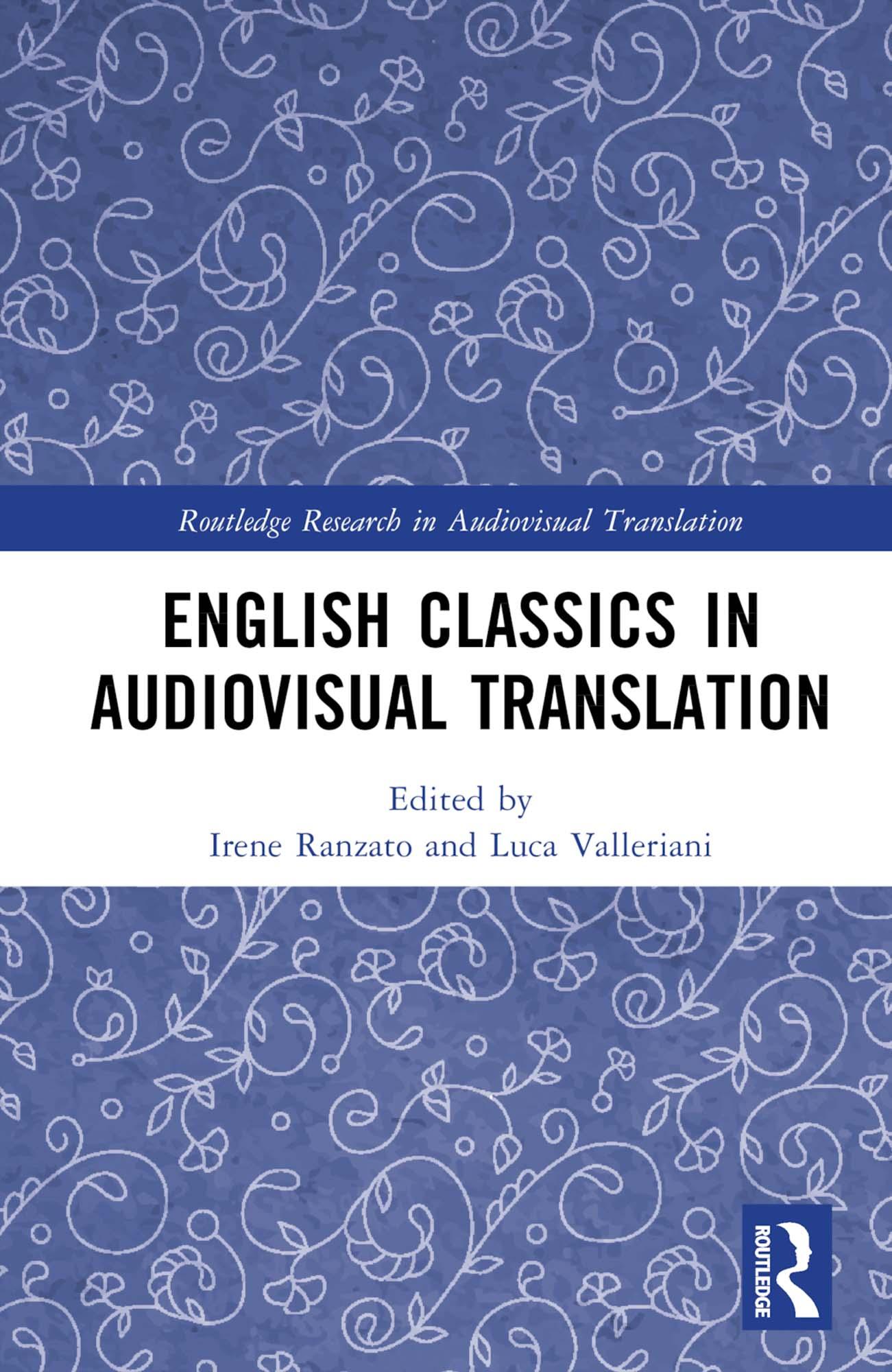
This collection explores the translation of dialogue from the adaptations of literary classics across audiovisual media, engaging with the question of what makes a classic through an audiovisual translation lens. The volume seeks to fill a gap on the translation of classic texts in AVT research which has tended to focus on contemporary media.
The book features well-known British literary texts but places a special emphasis on adaptations of the works of Jane Austen and William Shakespeare, figures whose afterlives have mirrored each other in the proliferation of film and television adaptations of their work. Chapters analyze myriad modes of AVT, including dubbing, subtitling, SDH, and voice-over, to demonstrate the unique ways in which these modes come together in adaptations of classics and raise questions about censorship, language ideologies, cultural references, translation strategies, humor, and language variation. In focusing on translations across geographic contexts, the book offers a richer picture of the linguistic, cultural, and ideological implications of translating literary classics for the screen and the enduring legacy of these works on a global scale.
This book will be of interest to scholars in audiovisual translation, literary translation, comparative literature, film and television studies, and media studies.
Płać wygodnie kartą, Klarną, Apple Pay lub Google Pay. Nie jesteś zadowolony? Zawsze masz 14-dniową gwarancję zwrotu pieniędzy. Więcej przeczytasz w naszych warunkach. Masz pytania? Napisz do nas na hello@memmo.org.
Memmo ułatwia naukę – gdziekolwiek jesteś na świecie. U nas znajdziesz podręczniki i sprytne narzędzia do nauki w jednym miejscu: streszczenia, quizy, podcasty i fiszki. A do tego Ted, Twój kumpel do nauki, który odpowie na wszystko, co Cię nurtuje. Ponad 50 000 studentów już tu się uczy – stworzone, byś uczył się szybciej i mniej stresował.