
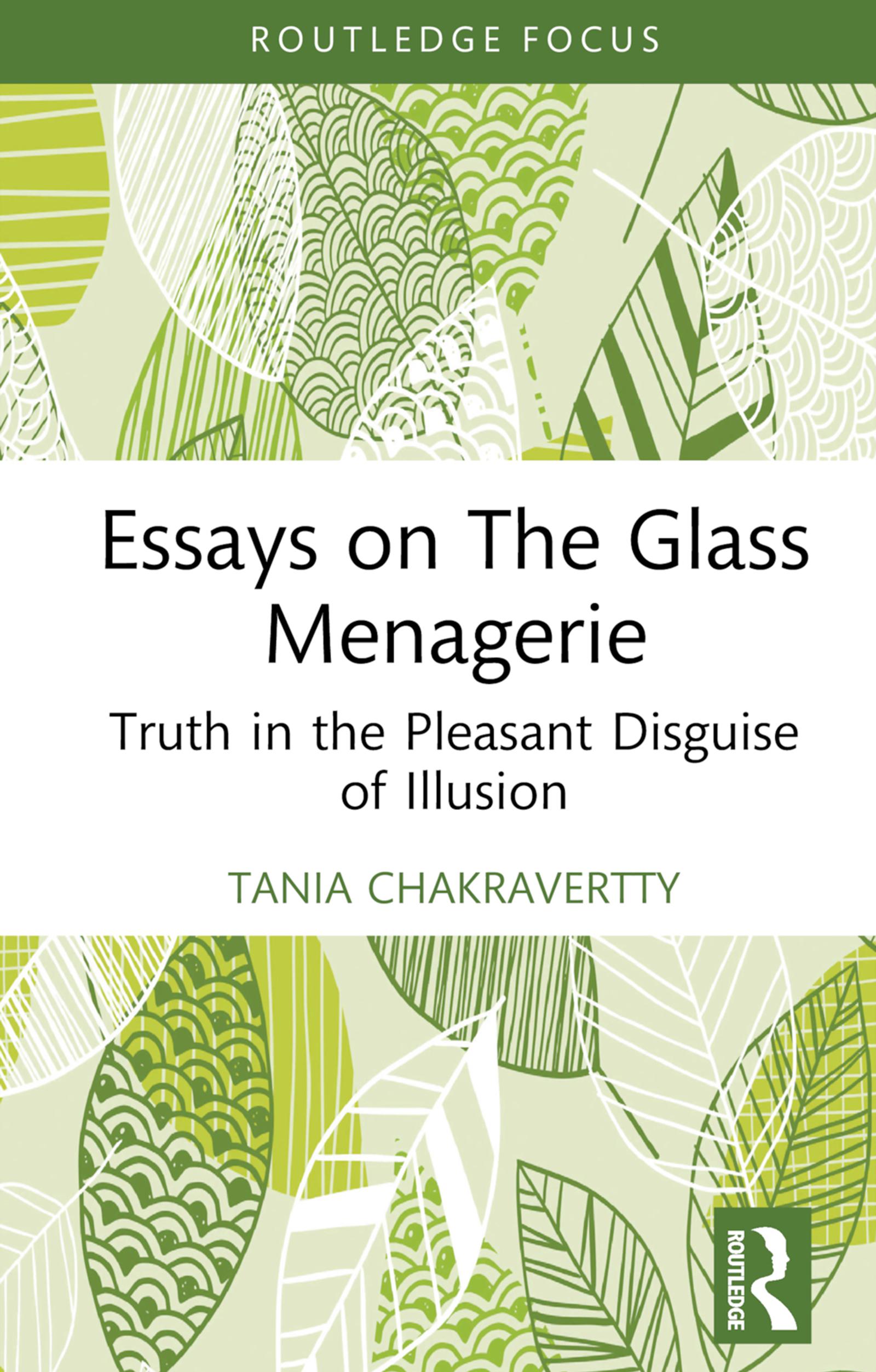
This volume traces the growth of Tennessee Williams from being a fragile child to becoming one of America’s greatest playwrights, also highlighting the playwright’s deep indebtedness to the Southern literary conventions. The book analyses Williams’s wonderful play with the sense of time and shows how in The Glass Menagerie as in all memory plays, the protagonist ruminates over the past, re-evaluates himself in that context and has a deeper understanding of the present, eventually using memory to recover from past trauma. One of the chapters analyses the use of the new form in Menagerie that Williams and his contemporaries had begun experimenting with, what Williams referred to as ‘plastic theatre’. Twentieth century American poetic drama, turned out to be contemporary, seeking the universal emotional and psychic truths and simultaneously portraying American life and culture with authenticity. The book also involves an in-depth study of the characters in Menagerie. Tom Wingfield has been critiqued in relationship to the absent father, the formidable mother and the soulmate sister; and the author has focused on, amongst many things, the gender issue. She has provided an analysis and critique of the reproduction of sex and gender and has brought the reader’s attention to Tom Wingfield’s and the playwright’s own struggle to strike a balance between the masculine and the feminine.
Płać wygodnie kartą, Klarną, Apple Pay lub Google Pay. Nie jesteś zadowolony? Zawsze masz 14-dniową gwarancję zwrotu pieniędzy. Więcej przeczytasz w naszych warunkach. Masz pytania? Napisz do nas na hello@memmo.org.
Memmo ułatwia naukę – gdziekolwiek jesteś na świecie. U nas znajdziesz podręczniki i sprytne narzędzia do nauki w jednym miejscu: streszczenia, quizy, podcasty i fiszki. A do tego Ted, Twój kumpel do nauki, który odpowie na wszystko, co Cię nurtuje. Ponad 50 000 studentów już tu się uczy – stworzone, byś uczył się szybciej i mniej stresował.