
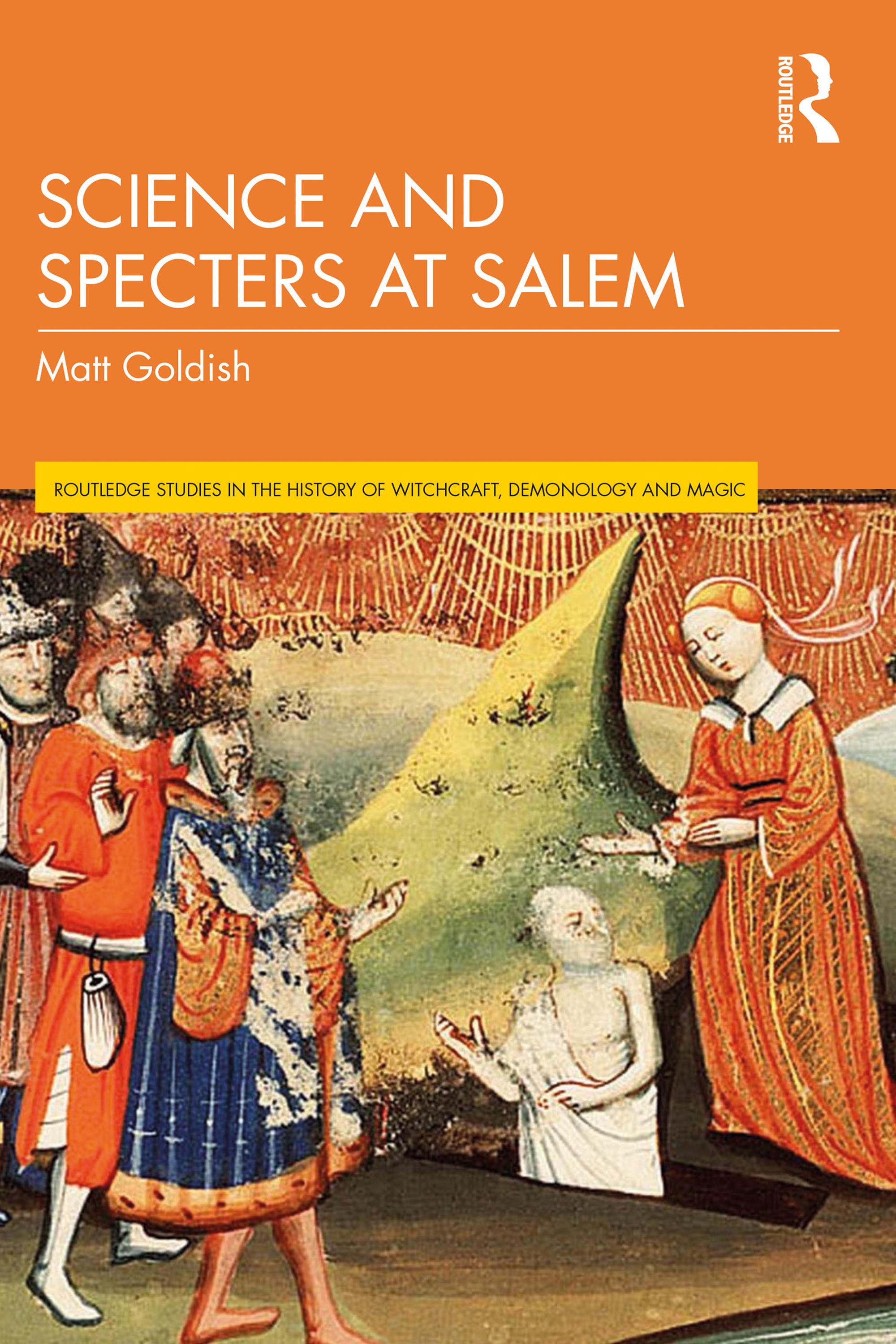
Most studies of the Salem witch trials focus on social history and the dynamics between accused and accusers. Science and Specters at Salem turns instead to the intellectual background of the judges to understand why they accepted controversial types of evidence.
The role of judges in a witch trial was central. Goldish argues that in Salem the judges' acceptance of questionable touch tests and spectral evidence was a result of their intellectual commitments. Several of the Salem judges were highly educated, and some of them were adherents of a particular philosophical school in England led by Henry More and Joseph Glanvill which Goldish calls "the anti-Sadducees." He demonstrates how the ideas of these leading thinkers, friends of Robert Boyle and Sir Isaac Newton, could have led to the deaths of twenty accused witches in Salem.
This book will interest students and scholars of witch trials, American colonial history, Atlantic history, legal history and early modern Europe, as well as lay readers wanting a better understanding of Salem.
Płać wygodnie kartą, Klarną, Apple Pay lub Google Pay. Nie jesteś zadowolony? Zawsze masz 14-dniową gwarancję zwrotu pieniędzy. Więcej przeczytasz w naszych warunkach. Masz pytania? Napisz do nas na hello@memmo.org.
Memmo ułatwia naukę – gdziekolwiek jesteś na świecie. U nas znajdziesz podręczniki i sprytne narzędzia do nauki w jednym miejscu: streszczenia, quizy, podcasty i fiszki. A do tego Ted, Twój kumpel do nauki, który odpowie na wszystko, co Cię nurtuje. Ponad 50 000 studentów już tu się uczy – stworzone, byś uczył się szybciej i mniej stresował.