
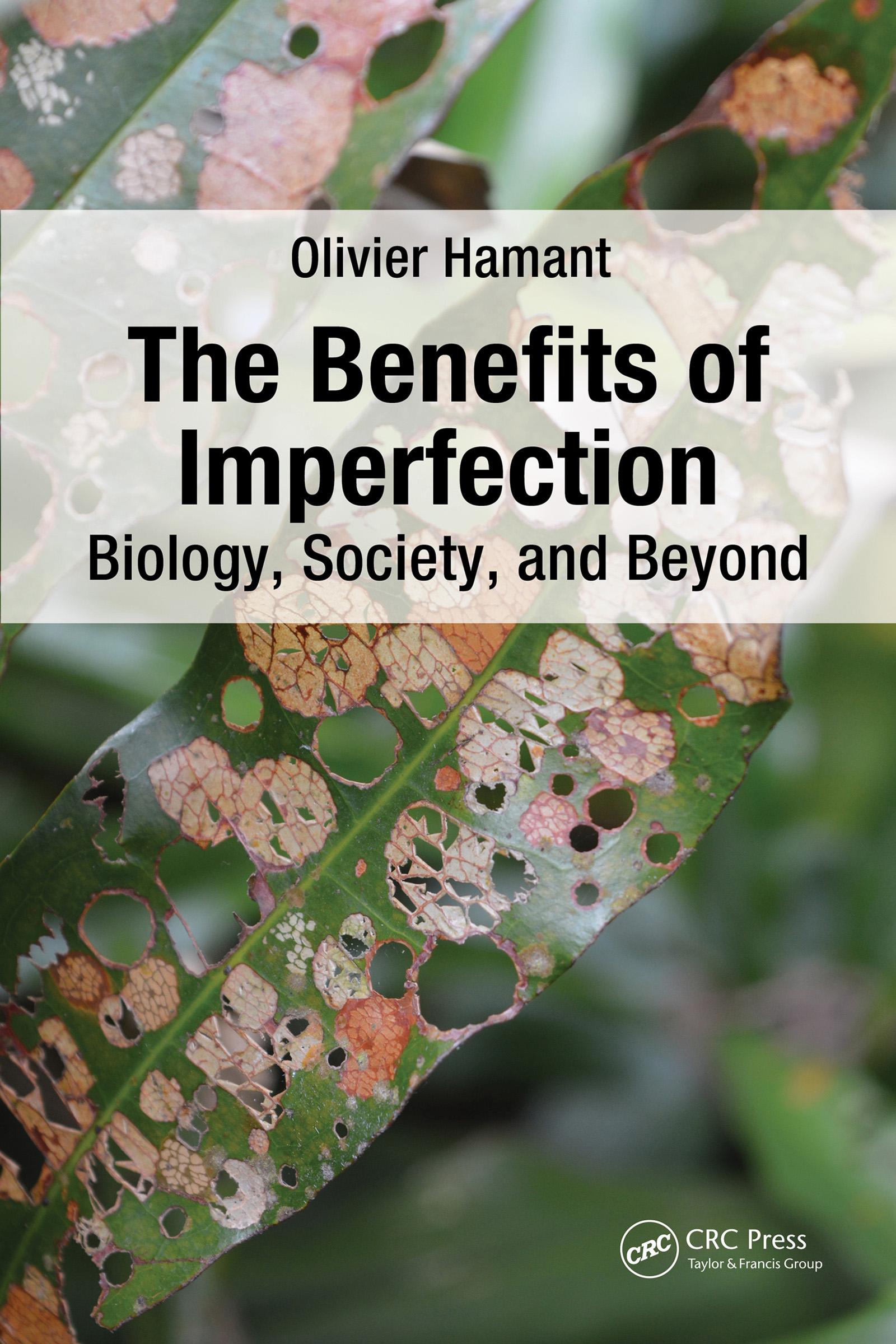
The cult of performance leads our society to emphasise the values of success and continuous optimisation in all areas. Slowness, redundancy and randomness are therefore negatively perceived. Olivier Hamant, in his book, reclaims them by his knowledge of biological processes.
What can we learn from life sciences? While some biological mechanisms certainly boast formidable efficiency, recent advances instead highlight the fundamental role of errors, incoherence or slowness in the robustness of living organisms. Should life be considered suboptimal? To what extent could suboptimality become a counter-model to the credo of performance and control in the Anthropocene?
In the face of pessimistic observations and environmental alerts, the author outlines solutions for a future that is viable and reconciled with nature.
Key Features:
- Solidly documents with a grounding in scientific facts focusing on solutions
- Explores a pragmatic way towards robustness, moving the debate beyond performance, technolatry or degrowth
- Responds to eco-anxiety by providing an engaging and viable way forward
Płać wygodnie kartą, Klarną, Apple Pay lub Google Pay. Nie jesteś zadowolony? Zawsze masz 14-dniową gwarancję zwrotu pieniędzy. Więcej przeczytasz w naszych warunkach. Masz pytania? Napisz do nas na hello@memmo.org.
Memmo ułatwia naukę – gdziekolwiek jesteś na świecie. U nas znajdziesz podręczniki i sprytne narzędzia do nauki w jednym miejscu: streszczenia, quizy, podcasty i fiszki. A do tego Ted, Twój kumpel do nauki, który odpowie na wszystko, co Cię nurtuje. Ponad 50 000 studentów już tu się uczy – stworzone, byś uczył się szybciej i mniej stresował.