
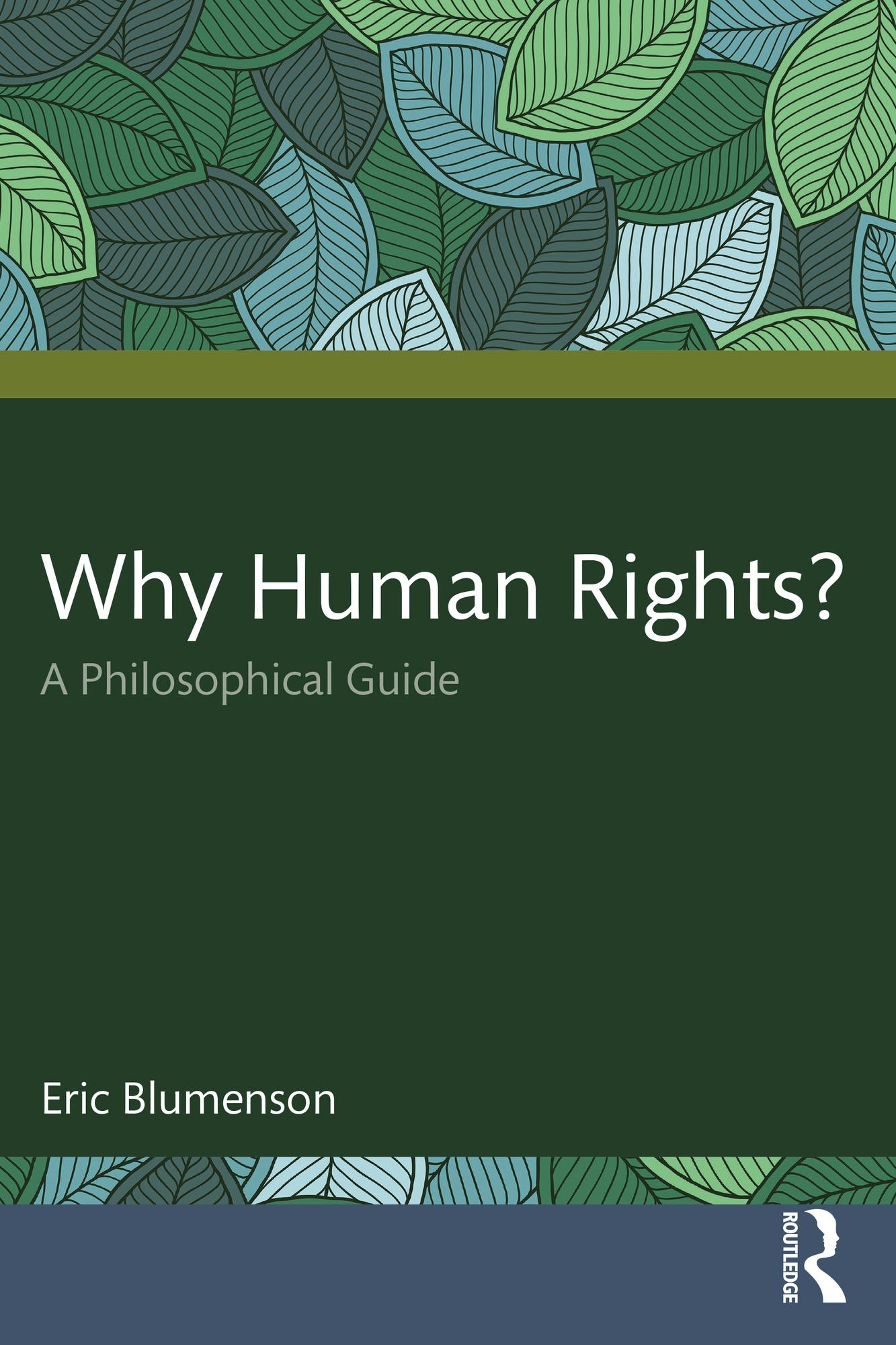
Why Human Rights addresses universal human rights as moral mandates – rights to justice that all persons have by virtue of their humanity alone. These are not the legal rights of statutes and treaties, but moral rights of the kind Gandhi, King, and Mandela invoked to oppose unjust laws. All such rights presuppose three claims: (1) that some duties of justice apply universally, (2) that all human beings have equal moral significance, and (3) that states must protect or serve certain individual interests regardless of the societal impact of doing so.
Can these three premises be justified? Is the human equality claim, for example, rationally supportable, or is it no less faith-based than hierarchical doctrines like caste? This book explores the case for these foundational claims along with other philosophical controversies pertaining to human rights. Because these issues lie at the heart of moral and political philosophy, readers will also obtain a broad appreciation of these disciplines and their leading theorists, including Mill, Kant, Rawls, Sandel, Nozick, Rorty, and many others. Written in concise, jargon-free language, this book presents a high-relief map of the philosophical issues surrounding human rights.
Płać wygodnie kartą, Klarną, Apple Pay lub Google Pay. Nie jesteś zadowolony? Zawsze masz 14-dniową gwarancję zwrotu pieniędzy. Więcej przeczytasz w naszych warunkach. Masz pytania? Napisz do nas na hello@memmo.org.
Memmo ułatwia naukę – gdziekolwiek jesteś na świecie. U nas znajdziesz podręczniki i sprytne narzędzia do nauki w jednym miejscu: streszczenia, quizy, podcasty i fiszki. A do tego Ted, Twój kumpel do nauki, który odpowie na wszystko, co Cię nurtuje. Ponad 50 000 studentów już tu się uczy – stworzone, byś uczył się szybciej i mniej stresował.