
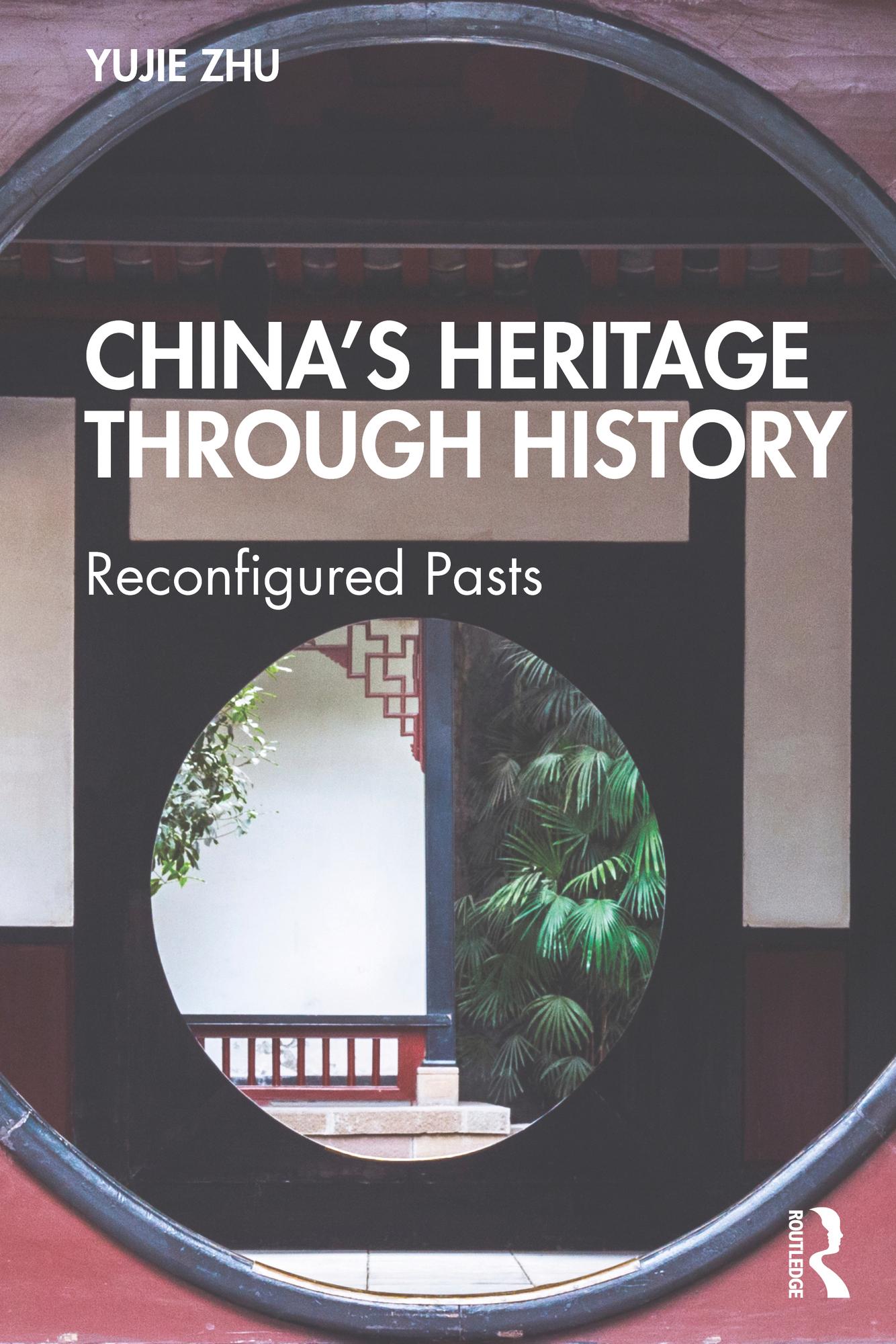
China’s Heritage through History employs a longue durée approach to examine China’s heritage through history. From Imperial to contemporary China, it explores the role of practices and material forms of the past in shaping social transformation through knowledge production and transmission.
The art of collecting, reproducing, and reinterpreting the past has been an enduring force shaping cultural identity and political legitimacy in China. Offering a unique, non-Western perspective on the history of heritage in China, Zhu considers who the key players have been in these ongoing processes of reconfigured pasts, what methods they have employed, and how these practices have shaped society at large. The book tackles these questions by delving into the transformation of practices related to heritage through examples such as the book collection at Tianyi Private Library, the reproduction of the Orchid Pavilion Preface calligraphy and its associated sites, and the dynamics of exchange within the Liulichang antique market. Zhu reveals how these practices, once reserved for elites, have become accessible to the broader public. These processes of transformation, embodied in various forms of reconfigured pasts, have given rise to modern approaches to preservation, digitisation, museums, and the burgeoning heritage tourism industry.
China’s Heritage through History will be an invaluable resource for academics, students, and practitioners working in the fields of heritage, museum studies, and art history.
Płać wygodnie kartą, Klarną, Apple Pay lub Google Pay. Nie jesteś zadowolony? Zawsze masz 14-dniową gwarancję zwrotu pieniędzy. Więcej przeczytasz w naszych warunkach. Masz pytania? Napisz do nas na hello@memmo.org.
Memmo ułatwia naukę – gdziekolwiek jesteś na świecie. U nas znajdziesz podręczniki i sprytne narzędzia do nauki w jednym miejscu: streszczenia, quizy, podcasty i fiszki. A do tego Ted, Twój kumpel do nauki, który odpowie na wszystko, co Cię nurtuje. Ponad 50 000 studentów już tu się uczy – stworzone, byś uczył się szybciej i mniej stresował.