
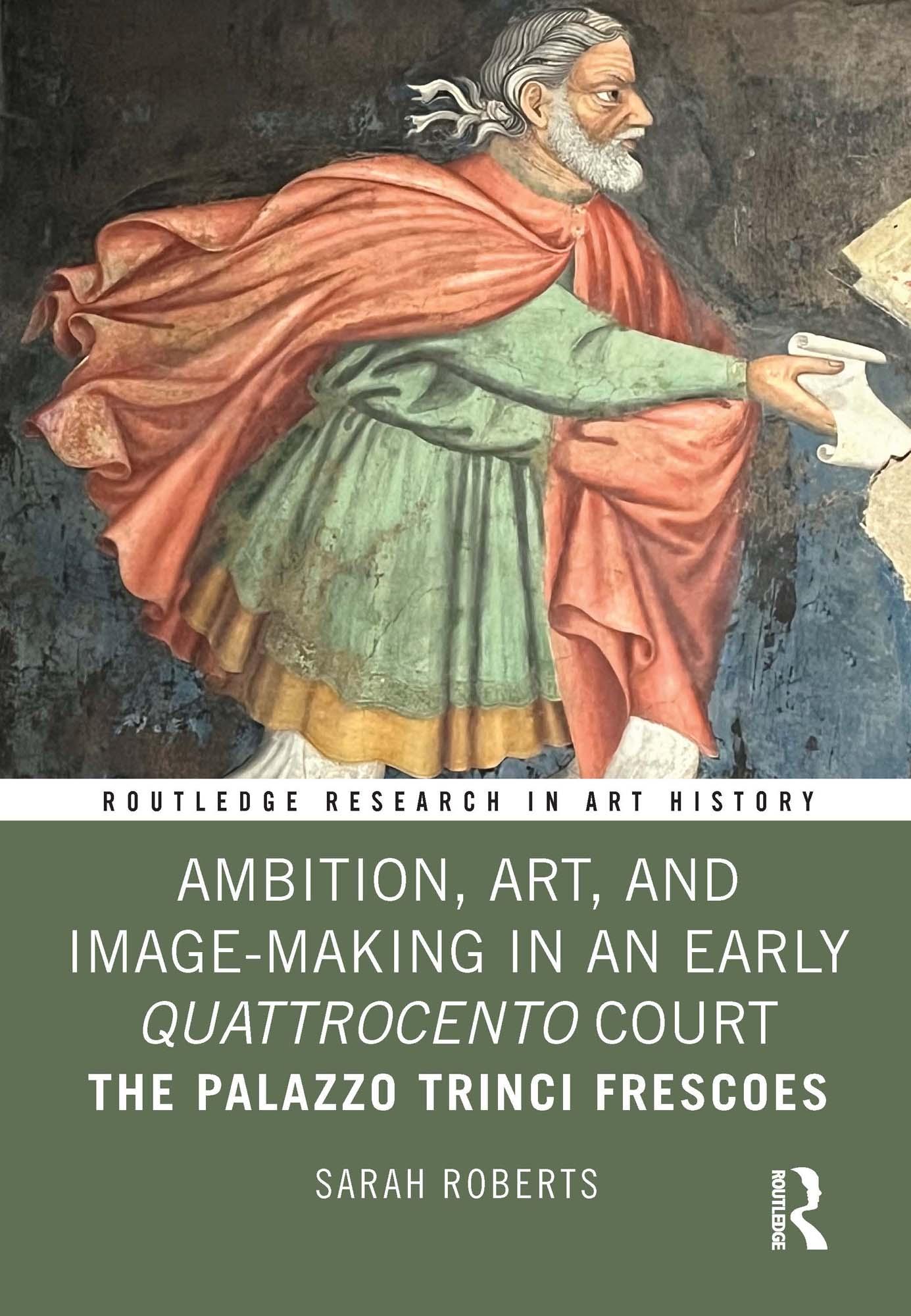
This study provides new interpretations of the little-known but fascinating Palazzo Trinci frescoes, relating them for the first time both to their physical context and to their social, political, and cultural environment.
Chapters show how a humanist agenda subverted the historical and mythical associations more frequently used to promote powerful families, to point the Trinci family in new directions. It also shows how the artists involved adapted established civic, religious, and chivalric imagery in support of these ideas. The book argues that the resulting decorations are highly unusual for the period, in their serious political and social purpose. Positioning the Trinci as bringers of peace, not war, the family is now associated with culture and education and presented as willing to encourage debate about the character of the virtuous ruler and the nature of good government.
The book will be of interest to scholars working in art history and Renaissance studies.
Płać wygodnie kartą, Klarną, Apple Pay lub Google Pay. Nie jesteś zadowolony? Zawsze masz 14-dniową gwarancję zwrotu pieniędzy. Więcej przeczytasz w naszych warunkach. Masz pytania? Napisz do nas na hello@memmo.org.
Memmo ułatwia naukę – gdziekolwiek jesteś na świecie. U nas znajdziesz podręczniki i sprytne narzędzia do nauki w jednym miejscu: streszczenia, quizy, podcasty i fiszki. A do tego Ted, Twój kumpel do nauki, który odpowie na wszystko, co Cię nurtuje. Ponad 50 000 studentów już tu się uczy – stworzone, byś uczył się szybciej i mniej stresował.