
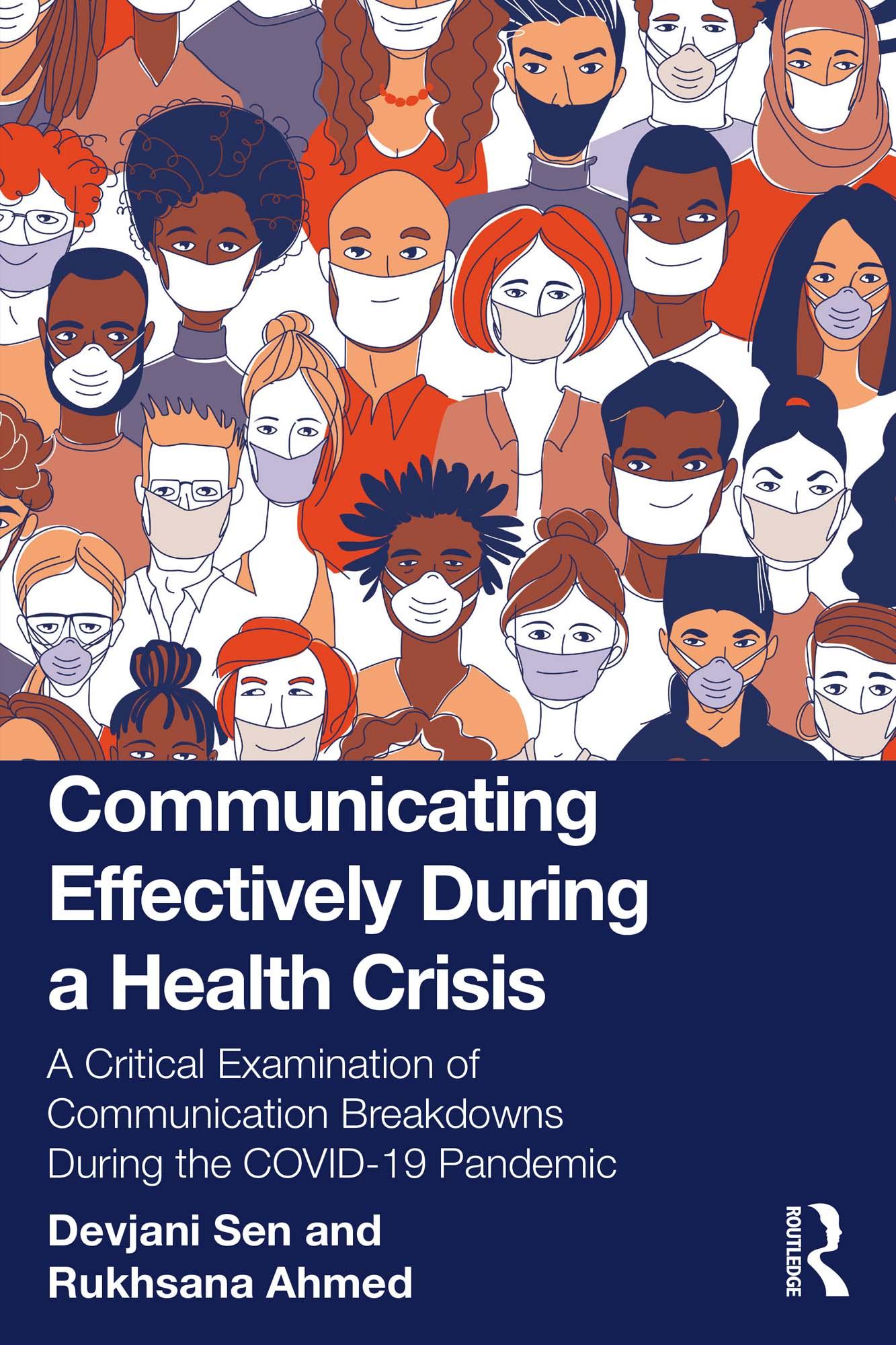
Exploring how and why communication breakdowns occur during pandemics and world disasters, this book offers solutions for improving communication and managing future public health crises.
A compilation of evidence-based lessons learned, this book shows how to effectively convey critical lifesaving information during a pandemic. It assesses how trust in leaders and governments during a public health crisis is formed and the impact this has on how information is perceived by the public. Using the COVID-19 pandemic as a case study, the book demonstrates how informative policy decisions and health risk messages can be better communicated for the handling of future pandemics. At a macro-level, the book looks at issues concerning situational awareness, how different countries managed or mismanaged the pandemic, and the lessons readers can learn from those occurrences. At a micro-level, it examines individual differences in public health message perceptions and corresponding actions taken or not taken.
An interdisciplinary critique of the delivery and reception of messages during global disasters, this text is suitable for undergraduate and graduate courses in Communication Studies, Health Communication, Risk Communication and Public Health, Psychology, Sociology, and Disaster Management.
Płać wygodnie kartą, Klarną, Apple Pay lub Google Pay. Nie jesteś zadowolony? Zawsze masz 14-dniową gwarancję zwrotu pieniędzy. Więcej przeczytasz w naszych warunkach. Masz pytania? Napisz do nas na hello@memmo.org.
Memmo ułatwia naukę – gdziekolwiek jesteś na świecie. U nas znajdziesz podręczniki i sprytne narzędzia do nauki w jednym miejscu: streszczenia, quizy, podcasty i fiszki. A do tego Ted, Twój kumpel do nauki, który odpowie na wszystko, co Cię nurtuje. Ponad 50 000 studentów już tu się uczy – stworzone, byś uczył się szybciej i mniej stresował.