
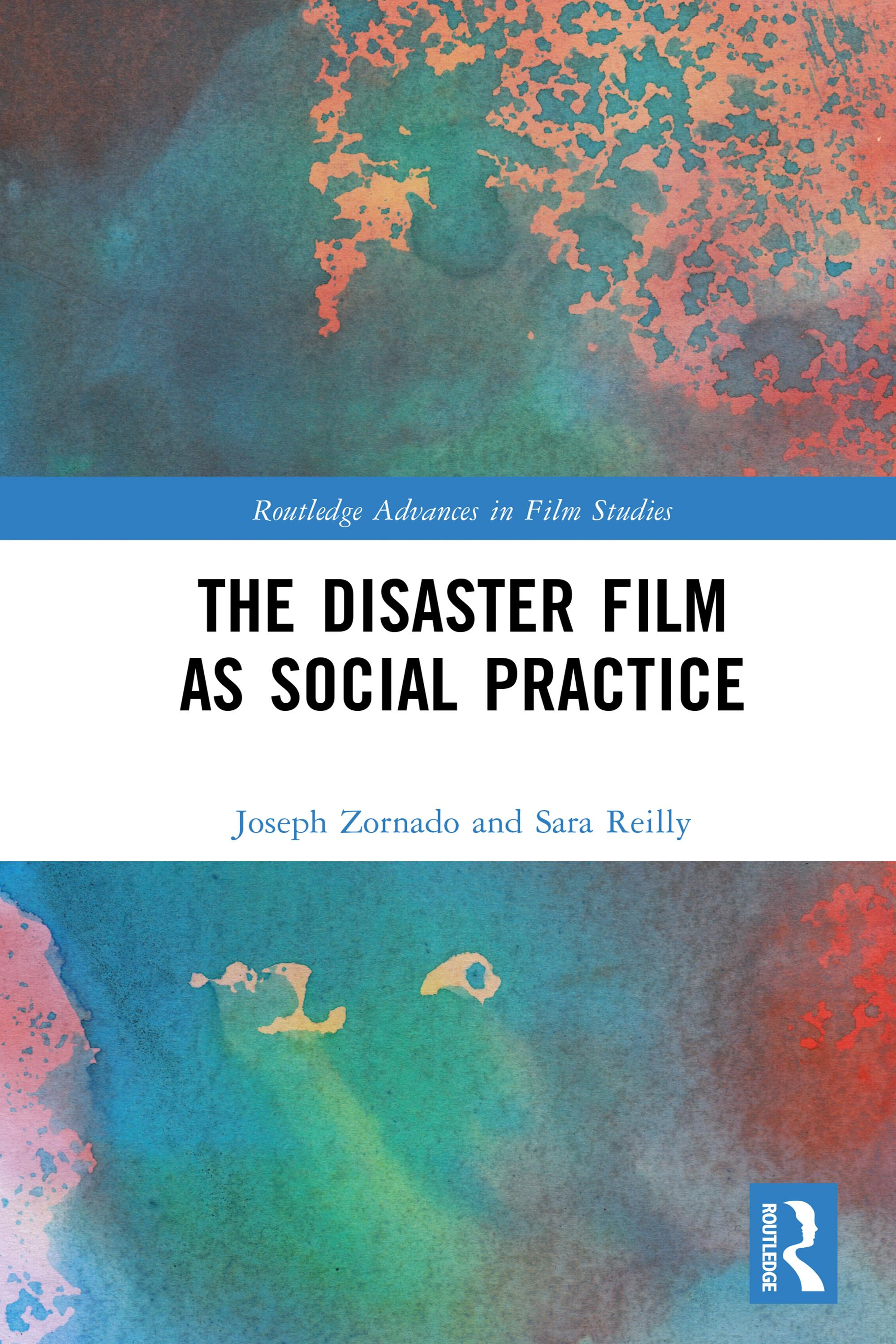
Surveying disaster films from a Lacanian psychoanalytic perspective, this book explores the disaster film genre from its initial appearance in 1933 (The Grapes of Wrath, 1933) to its present-day form (Don’t Look Up!, 2021), laying bare the ideological unconscious at work within the genre.
The Disaster Film as Social Practice examines environmental science, history, film and literature in its interdisciplinary analysis of the disaster film genre. It explores the interplay, and the dichotomy, of “restorative” and “reflective” disaster narratives. An analysis of cinema's role in symbolizing and managing collective anxiety around disaster and death narratives examines how disaster films, through their narrative structures and symbolic elements, contribute to the public's understanding and emotional processing of real-world threats, and how cinematic narratives shape and are shaped by public and private ideological discourses, reflecting deeper psychological and environmental truths. Finally, the book offers an overview of how the transformation of the disaster film genre over time tells a history through imagining the worst.
Providing a nuanced understanding of the disaster film genre and its significance in contemporary culture and thought, this book will be of interest to scholars and students of film studies, cultural studies, media studies, and environmental studies.
Płać wygodnie kartą, Klarną, Apple Pay lub Google Pay. Nie jesteś zadowolony? Zawsze masz 14-dniową gwarancję zwrotu pieniędzy. Więcej przeczytasz w naszych warunkach. Masz pytania? Napisz do nas na hello@memmo.org.
Memmo ułatwia naukę – gdziekolwiek jesteś na świecie. U nas znajdziesz podręczniki i sprytne narzędzia do nauki w jednym miejscu: streszczenia, quizy, podcasty i fiszki. A do tego Ted, Twój kumpel do nauki, który odpowie na wszystko, co Cię nurtuje. Ponad 50 000 studentów już tu się uczy – stworzone, byś uczył się szybciej i mniej stresował.