
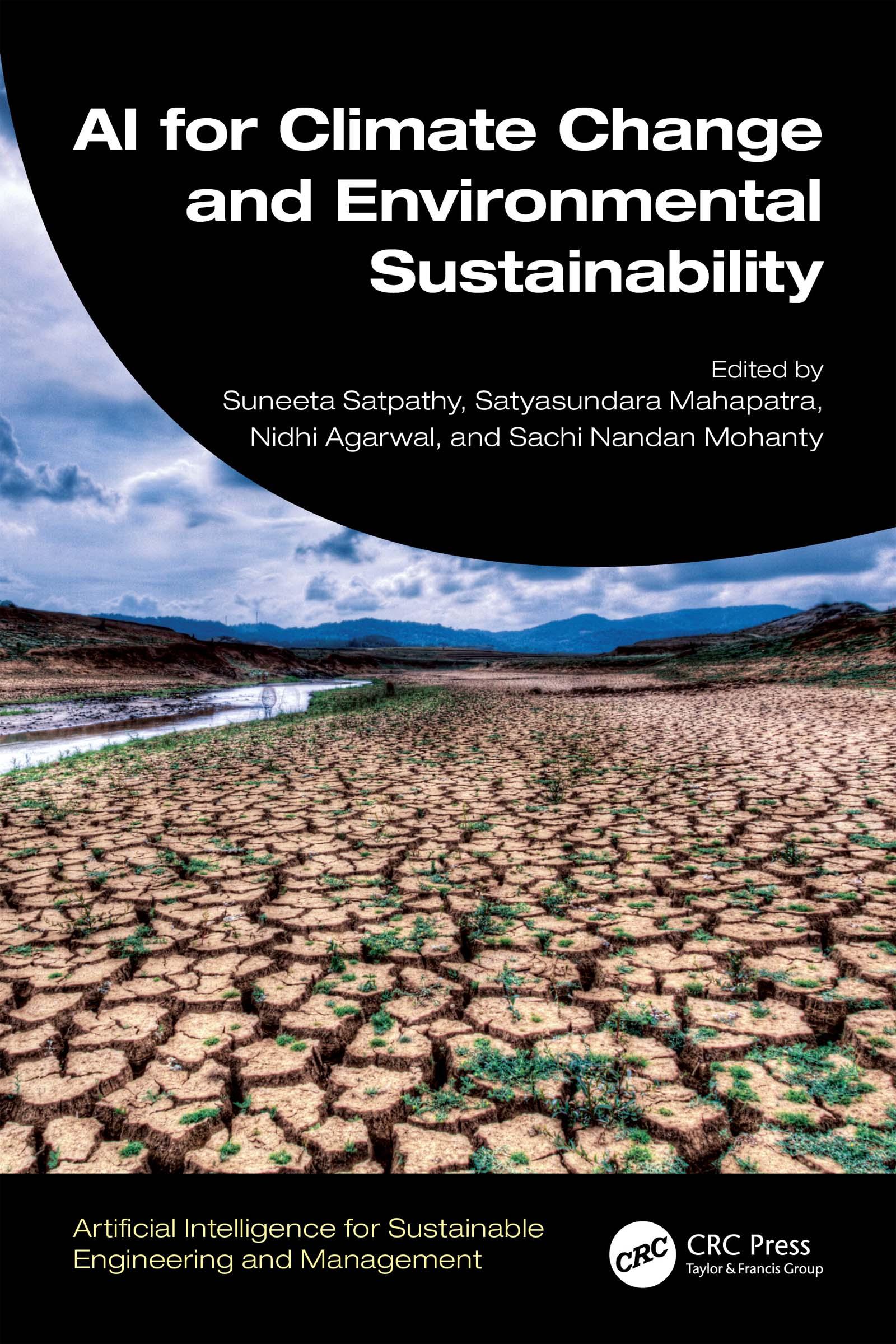
This book discusses the adverse effects of climatic changes on our planet. It examines AI-based tools and technologies and how they can assist in identifying energy emission reductions, CO2 removal, and support the development of greener transportation networks, monitoring deforestation, and forecasting extreme weather events.
AI for Climate Change and Environmental Sustainability identifies and discusses in detail the importance of environmental sustainability based on accomplishment of the UN's 17 Sustainable Developmental Goals (SDGs). It presents the various AI-based possibilities for accelerating international efforts to safeguard the environment and conserve natural resources. The authors offer a comprehensive analysis of the emerging field of climate change in relation to Internet of Things, artificial intelligence, machine learning, and deep learning. The book discusses AI developments, applications, and best practices that will help us transition to a low-carbon future on both a regional and global scale. It provides case studies with analytical results pertinent to climate change and weather prediction and includes chapters with a research-oriented approach, which can encourage new developments in the field of sustainable climate and green environment.
The book can be used as a primary textbook for graduate and postgraduate students in technology and science, as well as a reference for researchers, academics, and IT professionals working on climate change and sustainability initiatives.
Płać wygodnie kartą, Klarną, Apple Pay lub Google Pay. Nie jesteś zadowolony? Zawsze masz 14-dniową gwarancję zwrotu pieniędzy. Więcej przeczytasz w naszych warunkach. Masz pytania? Napisz do nas na hello@memmo.org.
Memmo ułatwia naukę – gdziekolwiek jesteś na świecie. U nas znajdziesz podręczniki i sprytne narzędzia do nauki w jednym miejscu: streszczenia, quizy, podcasty i fiszki. A do tego Ted, Twój kumpel do nauki, który odpowie na wszystko, co Cię nurtuje. Ponad 50 000 studentów już tu się uczy – stworzone, byś uczył się szybciej i mniej stresował.