
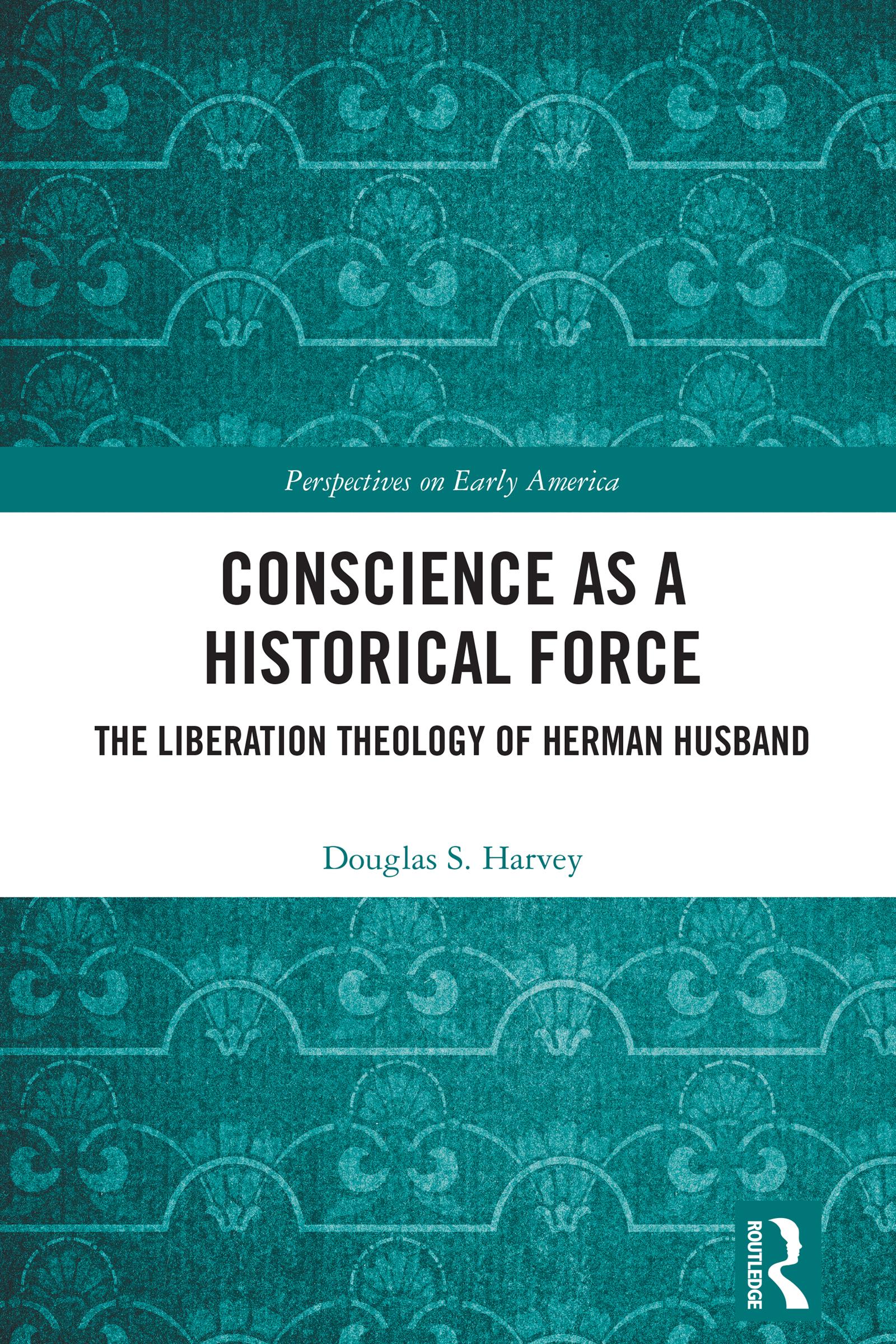
Conscience as a Historical Force is the first true analysis of the life and thought of the radically democratic eighteenth-century backcountry figure of Herman Husband (1724–1795) and his heavily metaphorical political and religious writings during the “Age of Revolution.”
This book addresses the influence of religion in the American revolutionary period and locates the events of Herman Husband’s life in the broader Atlantic context of the social, economic, and political transition from feudalism to capitalism. Husband’s metaphorical reading of the Bible reveals the timeless nature of his message and its relevance today. Other studies of Herman Husband fail in this regard even though, this book argues, this is the most valuable lesson of his life. The debate over the importance of religion in the American Revolution has neglected its connection with both the English radicals of the seventeenth century and continental religious radicals dating back further still. Essentially, the “antinomian” movement, where individuals refused to acknowledge any power greater than that of their own conscience, was Atlantic in scope and dates to the origins of Christianity itself.
With a chronological approach, this study is of great use to students and scholars interested in the politics and religion of eighteenth-century America.
Płać wygodnie kartą, Klarną, Apple Pay lub Google Pay. Nie jesteś zadowolony? Zawsze masz 14-dniową gwarancję zwrotu pieniędzy. Więcej przeczytasz w naszych warunkach. Masz pytania? Napisz do nas na hello@memmo.org.
Memmo ułatwia naukę – gdziekolwiek jesteś na świecie. U nas znajdziesz podręczniki i sprytne narzędzia do nauki w jednym miejscu: streszczenia, quizy, podcasty i fiszki. A do tego Ted, Twój kumpel do nauki, który odpowie na wszystko, co Cię nurtuje. Ponad 50 000 studentów już tu się uczy – stworzone, byś uczył się szybciej i mniej stresował.