
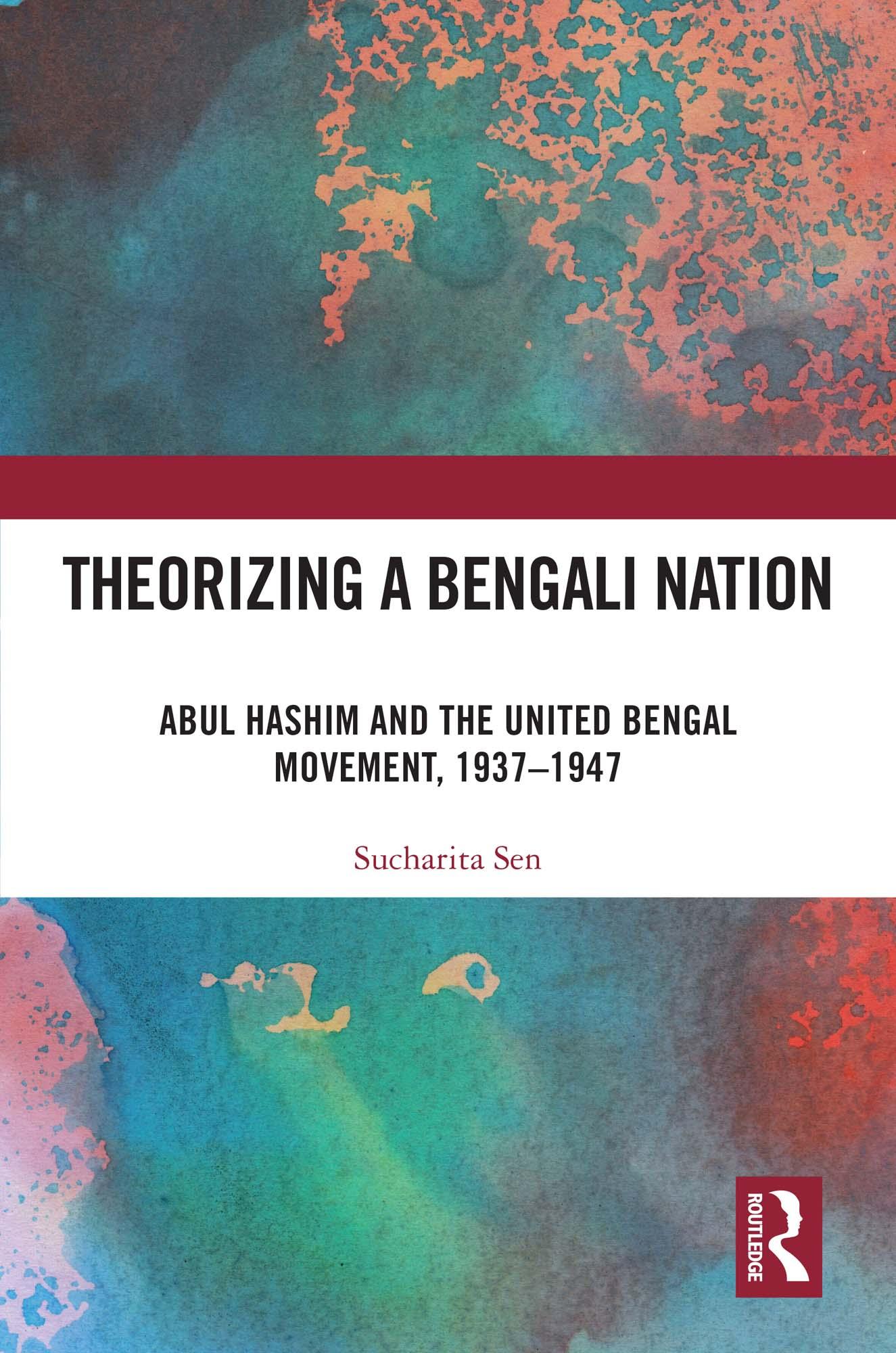
This book explores the philosophical and political roots of the United Bengal movement of 1947 that emerged as a final bid to keep the province united against Partition. Through Abul Hashim, one of its architects, it explores the idea of an independent Bengali nation in the years preceding Independence and examines the underlying tensions of the concept of a Muslim-led independent Bangalistaan and its repercussions on a sizeable Hindu minority. Focusing on Hashim’s writings and political contributions, this monograph highlights his vision of an aesthetic identity rooted within religious principles as well as civic ideals in a new united Bengal, where common law underwritten through religious ideals did not need to be necessarily opposed to western discourses of a modern state.
A major, new intervention, this book will be of great interest to scholars and researchers of modern Indian history, especially the Partition, politics, and South Asian studies.
Płać wygodnie kartą, Klarną, Apple Pay lub Google Pay. Nie jesteś zadowolony? Zawsze masz 14-dniową gwarancję zwrotu pieniędzy. Więcej przeczytasz w naszych warunkach. Masz pytania? Napisz do nas na hello@memmo.org.
Memmo ułatwia naukę – gdziekolwiek jesteś na świecie. U nas znajdziesz podręczniki i sprytne narzędzia do nauki w jednym miejscu: streszczenia, quizy, podcasty i fiszki. A do tego Ted, Twój kumpel do nauki, który odpowie na wszystko, co Cię nurtuje. Ponad 50 000 studentów już tu się uczy – stworzone, byś uczył się szybciej i mniej stresował.