
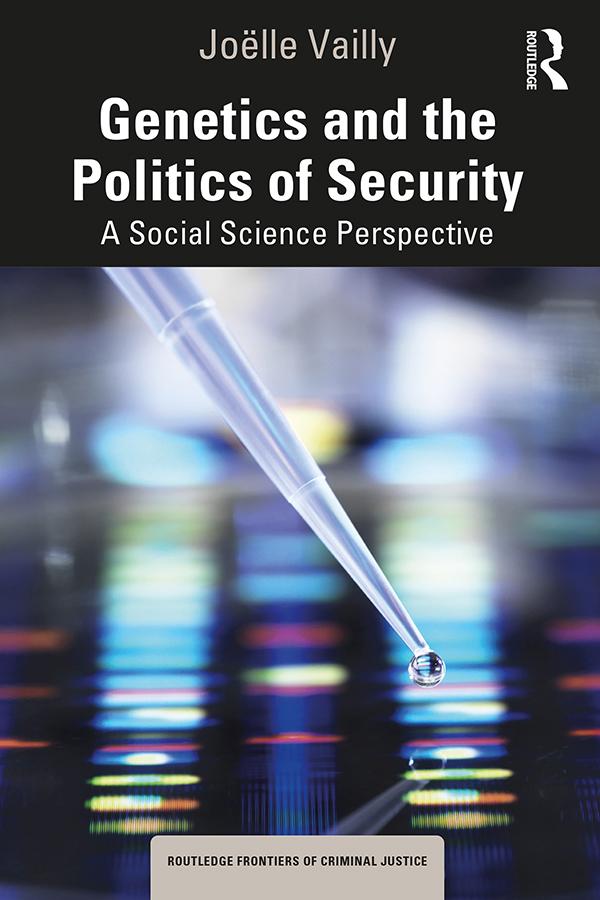
Presenting a social science perspective on the contemporary gaze on the body of the suspect, this book considers how definitions of criminality, offenses, individual rights, and the concepts of identity and difference have been altered by changes in the biological status of the human.
Spurred by rapid developments in genetics and information technology, a number of countries, including France, the United States, the United Kingdom, China, and the Netherlands, have considerably expanded their genetic databases used by the police and the criminal justice system. Whilst this makes it possible to compare DNA left at the scene of a crime with that of an individual known to the police, helping to identify individuals for the purposes of court proceedings, these innovations also raise a number of important questions, such as how the relationship between respect for the rights of individuals and the security of populations is discussed, as well as for how long this data should be retained. Genetic analysis also raises concerns related to phenotyping and “biogeographical origin” that could lead to the stigmatization of targeted groups.
Offering a comprehensively argued view on how DNA acts not only as a tracker of suspicion but also as a marker of contemporary social developments, Genetics and the Politics of Security will appeal to students and scholars, judiciary personnel, lawyers, police officers, and people with an interest in criminology and the use of genetics in the criminal justice process.
Płać wygodnie kartą, Klarną, Apple Pay lub Google Pay. Nie jesteś zadowolony? Zawsze masz 14-dniową gwarancję zwrotu pieniędzy. Więcej przeczytasz w naszych warunkach. Masz pytania? Napisz do nas na hello@memmo.org.
Memmo ułatwia naukę – gdziekolwiek jesteś na świecie. U nas znajdziesz podręczniki i sprytne narzędzia do nauki w jednym miejscu: streszczenia, quizy, podcasty i fiszki. A do tego Ted, Twój kumpel do nauki, który odpowie na wszystko, co Cię nurtuje. Ponad 50 000 studentów już tu się uczy – stworzone, byś uczył się szybciej i mniej stresował.