
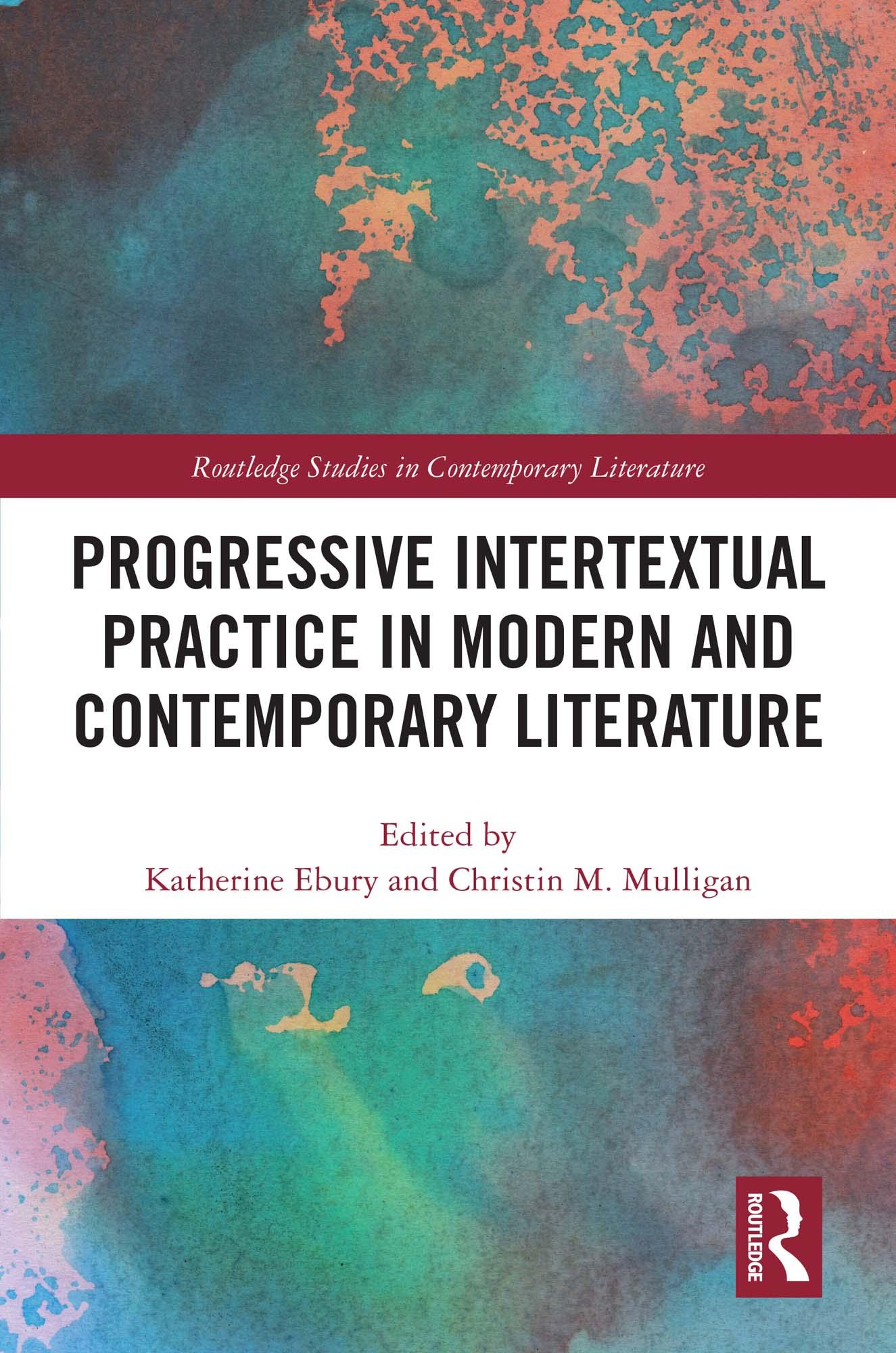
This edited volume aims to reposition intertextuality in relation to recent trends in critical practice. Inspired by the work of Sara Ahmed in particular, our authors explore and reconfigure classic theories of authorship, influence and the text (including those by Roland Barthes, Michel Foucault and Harold Bloom), updating these conversations to include intersectionality specifically, broadly understood to include gendered, racial and other forms of social justice including disability, and the progressive impact of the transmission and transformation of texts. This diverse volume includes discussions of major canonical works such as James Joyce’s Ulysses alongside the recent contemporary literature by authors such as Siri Husvedt and Maggie O’Farrell, as well as theoretical interventions. This volume also engages with how intertextuality can facilitate interdisciplinary and ekphrastic thinking and representation, as the inspiration of music and the visual arts for texts and their transmission is addressed. The choice of intertexts become deliberately political, ethical and artistic signifiers for the authors discussed in this volume, and our contributors are thus enabled to address topics ranging from visual impairment to Shakespearean motherhood to the influence of Jazz culture on writing on the Northern Irish Troubles.
Płać wygodnie kartą, Klarną, Apple Pay lub Google Pay. Nie jesteś zadowolony? Zawsze masz 14-dniową gwarancję zwrotu pieniędzy. Więcej przeczytasz w naszych warunkach. Masz pytania? Napisz do nas na hello@memmo.org.
Memmo ułatwia naukę – gdziekolwiek jesteś na świecie. U nas znajdziesz podręczniki i sprytne narzędzia do nauki w jednym miejscu: streszczenia, quizy, podcasty i fiszki. A do tego Ted, Twój kumpel do nauki, który odpowie na wszystko, co Cię nurtuje. Ponad 50 000 studentów już tu się uczy – stworzone, byś uczył się szybciej i mniej stresował.